Navigation

Navigation
Contact info

590 Manning Drive
Chapel Hill, NC 27599
919-966-3456
919-966-6125 (Fax)
Contact Us

You are here: Home > Programs > Residency > Training Sites and Educational Experiences
Document Actions

Training Sites and Educational Experiences


Training Sites Index


FMBuilding.jpg

The Family Medicine Building and the Family Medicine Center located therein contain over 50,000 square feet for outpatient care, teaching and administration. The first floor houses the Family Medicine Center. The second floor has offices for faculty and staff, a library and a conference wing. The outstanding features of the Family Medicine Center facility are summarized in Table 1.

Patient visits to the FMC currently stand at approximately than 45,000 per year. The racial mix of our patients is 67% white, 33% non-white of which only about 3% are other than African-American. The age distribution of the patient population in the most recent report is listed in Table 2. Approximately 22% of patients are covered by Medicare and 19% by Medicaid; 27% of the patient population are under managed care plans and 22% covered by other health insurance plans. The remaining 8% are self-pay.

In the most recent analysis of FMC encounter data, we found that the top 15 diagnoses in the practice accounted for 40% of all diagnoses entered on encounter forms. Hypertension, low back pain, routine adult exams, uncomplicated adult onset diabetes, routine child health visits, and hypercholesterolemia topped the list followed by depression, limb pain, abdominal pain, URI's, GYN exams, prenatal care visits, headaches, and allergy.ETTBelcHann.jpg


A concentrated Family Medicine month in the first year is devoted to orienting residents to the Family Medicine Department, and to developing fundamental skills as family physicians. Educational themes include interviewing and counseling skills, outpatient procedures, prevention and health promotion, and the management of common outpatient diseases. The month also provides an opportunity for new residents to meet faculty and to get to know the Family Medicine staff. In the second year, another month is devoted to a Family Medicine experience, which includes increased clinical time, a focus on developing clinical skills for facilitating behavioral change, prevention, and community medicine. The second year also includes 2-weeks of behavioral medicine and a month of procedures, which is largely spent in the FMC. The focus of the senior year is on developing and honing ambulatory patient care skills in final preparation for practice and includes one month in the FMC with 7-8 half-days a week of continuity clinics.

Over the course of three years in the program residents' practices build from a continuity panel of 75-100 patients (up to 4-5 patient visits per half day) in the first year, with a total of 200 or more visits in a year. By 2nd year panels are between 150 and 200 (6-7 visits per half day) with the expectation they will have 500 patient visits. By third year residents average 350 patients (8-10 visits per half day) and can expect to have over 1,000 visits by the end of the year. When residents see patients in the Family Medicine Center, there is a minimum of one faculty preceptor for every four residents available for questions and teaching. Teaching is aided by a sophisticated audiovisual system for direct observation of residents during patient care. Patient care sessions are taped and reviewed later with both physician and behavioral attendings to learn principles of medical management, behavioral medicine and time management.

WeirPrectg.jpg

During the course of residency our residents have the opportunity to work in special clinics that are part of the FMC practice. Some of these clinics focus on services in the form of procedures such as colposcopy, sigmoidoscopy, vasectomies, and exercise tolerance testing. Alternative medicine contributes to this array with an active acupuncture clinic.  A skin clinic begun in 2001-02 now provides a substantial part of the residency training in dermatology. Group visits are innovative options that have been made available to patients with diabetes. This variety gives residents a broad exposure to a wide range of issues in outpatient clinical care and an opportunity to learn how to interact with a variety of different providers.

Another major component of training in the Family Medicine Building is the conference curriculum. Every Wednesday morning is devoted to the conduct of structured learning using small group and seminar style techniques of teaching. These periods of time are carefully organized around a particular patient care theme with diverse sessions that are designed to develop the theme. Each theme is based on cases from the practice, and provides an interactive means of teaching and learning about health issues and medical conditions that Family Physicians must know how to manage and care for. Embedded in the Wednesday Conference block are also opportunities for Psychosocial Conferences, support groups and Balint group sessions (To Index)


WAKEMED.JPG

Wake Medical Center

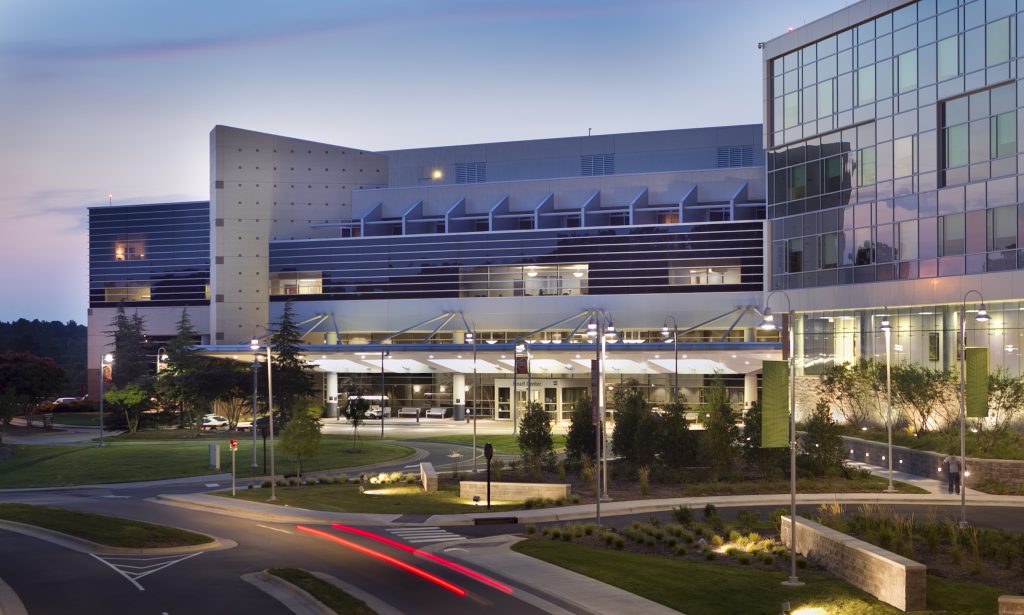
WakeMed is a 746-bed, private, not-for-profit health care system based in Raleigh, NC and serving eastern North Carolina. It is located in Raleigh approximately 35 minutes from Chapel Hill. It purports to have a team of 4,900 nurses, technologists and medical support staff working with over 900 affiliated physicians using the most advanced technologies and facilities available to ensure the finest in health care for patients in the vicinity of Raleigh. With over 25,000 admissions, 45,000 visits in the emergency department, and some 46,000 patient visits in the outpatient clinics from a resident's perspective, it is an excellent site for community based training. Patients' medical problems are appropriate for training in primary care, the hospital has comprehensive ancillary services, and as an Area Health Education Center, it has many excellent faculty dedicated only to patient care and to teaching.

HospRadiogRead.JPG

Family Medicine residents spend all or part of six months at Wake in the first year. One month on the Wake Medicine services provides core training in internal medicine. Residents evaluate patients in the emergency room for possible admission and manage patients who must be admitted either to the inpatient floor or intensive care unit bed. They make decisions about the care of the patients at all levels and handle final discharge and follow-up in the outpatient clinics. Call is q4 on one of four teams that cover the medicine services.

Pediatrics (1 month each on inpatient ward and in outpatient clinic with cross cover call on the inpatient ward) at Wake Medical Center has always been very popular, and provides core experiences in acute and inpatient pediatric problems. Teaching on this service consistently receives high ratings from our residents. Residents take call on a q4 schedule for both months, as a member of the team covering the pediatrics floor during the inpatient month and as a cross-cover during the outpatient month.

The six-week obstetric rotation centers on a very busy labor and delivery deck. Residents average 30 or more deliveries a month, with a high proportion of normal deliveries and good backup available when complications arise. Time is also spent in the prenatal care and GYN clinics. This is a very busy service and the call schedule varies depending on the number of interns that are assigned to the service in any given month. Usually, it is equivalent to a q3 or q4 month of call.

Residents do a month of general inpatient surgery at Wake where they have a wide range of learning opportunities available. Anyone who wants to spend time learning operating procedures gets good hands-on training on this service. Outpatient surgical procedures are done in the clinics and residents also see patients for pre-operative assessments and postoperative follow-up. Call is somewhat variable, but never exceeds q4 or q5 on average. (To Index)

Part of the first-year orthopedics month is spent in the orthopedics clinic at Wake Medical Center. This experience emphasizes the musculoskeletal examination and evaluation of common musculoskeletal problems. This is a non-call month


UNCHNEW.JPG

University of North Carolina Hospitals

This 665 bed tertiary care teaching facility provides a unique opportunity for learning the management of diseases in a technically sophisticated environment. It also serves as the community hospital for Chapel Hill. UNC Hospitals support a comprehensive range of residencies of excellent quality and strong reputations across the country. Family practice residents work closely with, and learn with, residents in other specialties. There is a full range of diagnostic and therapeutic services available within the institution.
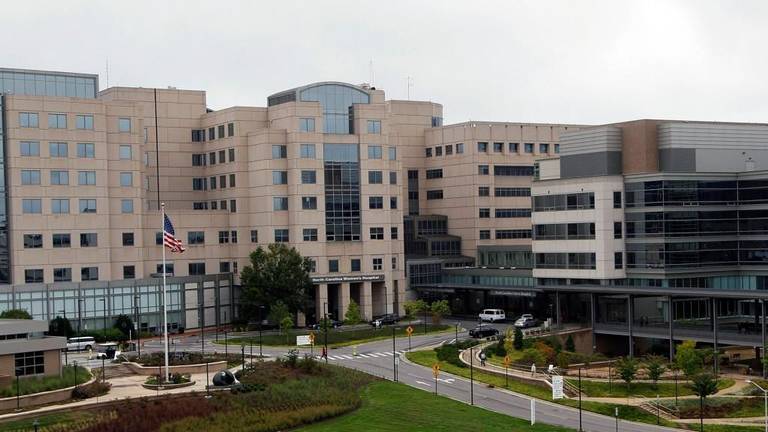
The Family Practice Inpatient Service provides a strong presence for Family Medicine in the UNC Hospitals system and has evolved into its present form over the course of more than a decade of development. A major portion of inpatient medical training for FP residents occurs on this service. Residents rotate through it for 6 weeks in the first year, 3 months in the second year and 3 months in the third year of residency. It consists of a broad spectrum of inpatient family medicine with educational emphasis on the management of acutely ill patients, selection of therapeutic agents, appropriate consultation, telephone medicine, and skills in interviewing, physical exam and critical appraisal of the literature. The service is organized in three teams. Two teams consist of a clinical attending, an R2 (JAR) and one or two R1's (interns). Interns for one of these teams come from the UNC Psychiatry Residency program. An R3 supports the service as a junior teaching attending, organizes and conducts morning report and rotates in the call schedule. Started in 2003, the Community Medicine Inpatient Service is designed to provide an experience for seniors that models what a physician does in practice when inpatient medicine is a part of a full-scope practice. An R3 is teamed with attendings from the Piedmont Health Service (PHS) group and Pittsboro Family Medicine, a local satellite practice. The resident, in consultation with the private community physicians, independently manages patients admitted from those practices, rotates in the call schedule, and 2 or 3 afternoons each week has a short block of continuity care. Some months there is a fourth year medical student acting intern (AI) taking elective time on the service.

Call coverage comes from the three teams and cross-coverage from the pool of upper-level residents. On-call residents cover the Family Practice inpatients, respond to after-hours phone calls from FMC patients, and evaluate and treat patients in the ER who need after hours care. They admit the patients to the FP Inpatient Service if it is deemed appropriate. Call frequency is every fourth night for residents rotating on the family medicine service and cross-cover on the service occurs approximately 13-14 times a year for R2's and about 4 times for R3's. A separate call system is in place to handle obstetrical patients.

MCHMomBaby.JPG

The Family Practice Maternal and Child Health service provides the labor and delivery services for all patients who deliver in the FMC practice. Second and third year residents cover this service to complete their last two years of obstetrical training.  The focus is on delivery of continuity patients whom residents have followed for prenatal care in their continuity clinics under the supervision and guidance of Family Practice obstetrical faculty. The MCH service also handles the obstetrical care at the time of delivery for women who seek their health care at the Orange County Health Departments and at Chatham Primary Care, a practice located in Siler City as a satellite of the UNC Health Care System. The service also provides physician backup to a freestanding birthing center operated locally by midwives. In the last year the volume has risen to about 450 deliveries per year.

FP residents also do rotations in other departments at UNC hospitals. The first year Emergency Room experience provides an opportunity to evaluate and care for emergent medical problems and learn how to make dispositions for their management. During Outpatient Surgery residents spend time in the ER minor trauma clinic. ENT surgery, a dental clinic experience, podiatry and a wound clinic are also included as part of Outpatient Surgery.

In their second year, another month of pediatric training for the program comes in UNCH Pediatric Acute Care, where residents work shifts in the pediatric emergency room. (To Index)

Finally, in their third year the residents have a required sports medicine rotation in the Sports Medicine clinic taught by the attendings in the Student Health Center. There are also subspecialty rotations in urology, ophthalmology, and ENT all or part of which are done at clinics within the UNC Hospitals system.ProspectHill.JPG

Piedmont Health Services (PHS). The UNC Department of Family Medicine has benefited from a strong partnership with Piedmont Health Services (PHS). PHS is a federally-subsidized system of community health centers, operating five primary health care facilities in central North Carolina within thirty miles of the UNC School of Medicine. Its central facility is in Carrboro in southeast Orange County and four others are located in the adjacent counties of Chatham to the south, Caswell to the north and Alamance to the west. Like much of North Carolina, these counties are predominantly rural, 40% are below poverty level and 50% are black. There is also a significant and increasing number of Hispanic patients in the population and in some clinics more than half the patients are primarily Spanish-speaking.

Resident involvement with PHS patients and practitioners provides hands-on learning of the unique skills, knowledge and attitudes needed to care for poor, rural, minority, immigrant and migrant populations. PHS sites provide locations for one part of the experience of second year residents in their Quality Improvement in Practice block rotation. PHS patients requiring hospitalization are admitted to the Family Practice Inpatient Service. PHS attendings are a talented, well-trained group of clinicians that are committed to care for the underserved and play an important role in teaching residents.(To Index)


Residents have opportunities to spend time in a variety of community practices. They each have some particular value in fulfilling some piece of the rich set of experiences, which make up quality residency training for family practice.

During Outpatient Surgery in the first year residents spend seven half-days at a variety of sites where they gain exposure to surgical procedures, minor trauma in the ED, and vasectomies.

During an orthopedics month in the curriculum residents spend time in a community sports medicine practice. They gain exposure to a wide variety of orthopedics problems that are seen by such a practice.CHATHAM.JPG

There are many opportunities in local practices to gain additional experience in outpatient medicine. Chatham Primary Care, a practice in Siler City, is a site that all seniors go to for the third year rural community medicine experience. It also provides opportunities in a community hospital ER for elective time. Practices in nearby communities provide pediatric experience during the underserved-at-risk rotation, exposure to occupational medicine and elective opportunities for community practice experiences as preparation for the decision for practice after residency. These opportunities include alternative health care providers to provide a diverse educational experience ranging from acupuncture, traditional Chinese medicine, herbal remedies, chiropractic and osteopathic manipulation to homeopathy, naturopathy, healing touch and yoga. Complementary and alternative medicine electives can readily be arranged to meet the interests of individual residents

(To Index)

Last Modified: September, 2007
Copyright © 1998 UNC-CH Dept of Family Medicine -- All rights reserved


Other Sites.


William B. Aycock Family Medicine Building and the Family Medicine Center

Site-wide Actions
Personal tools