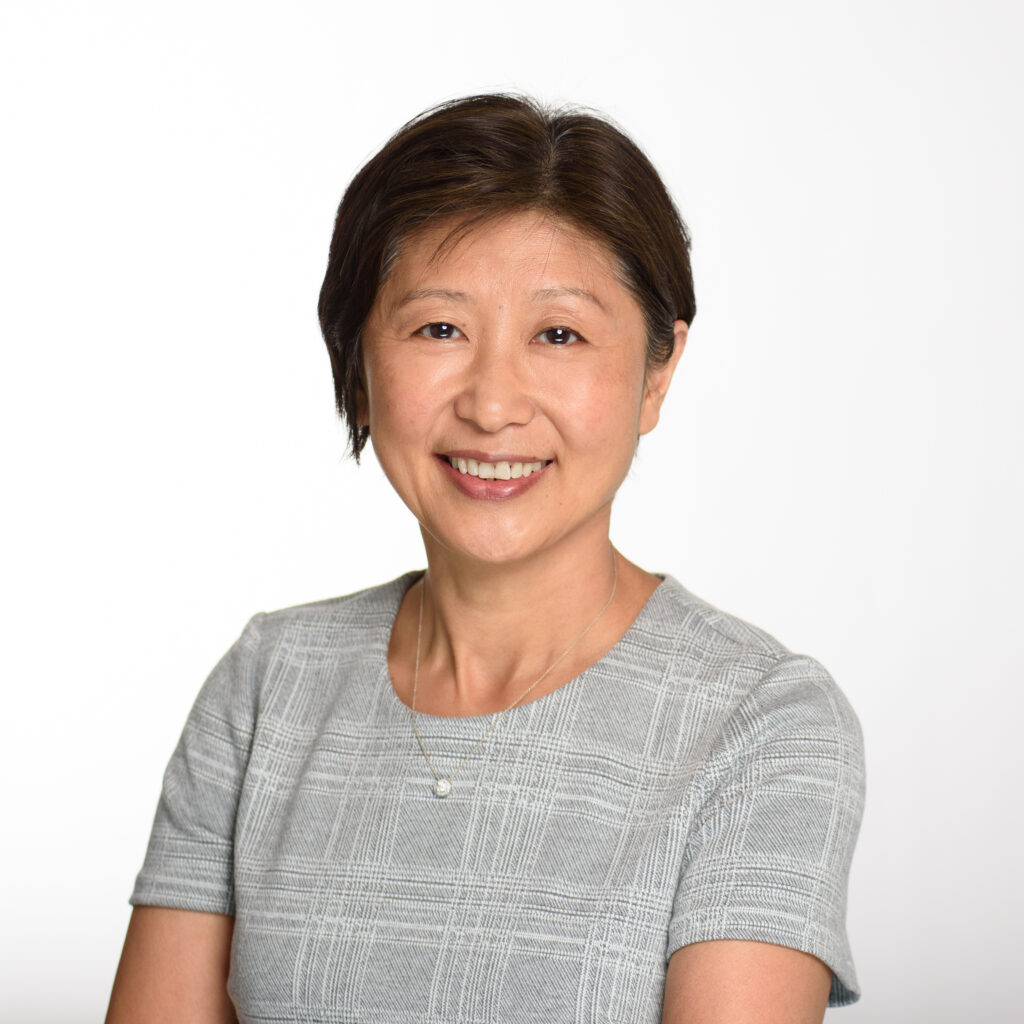
Russell Broaddus, MD, PhD
Chair of Pathology and Laboratory Medicine
Joe W. and Evelyn M. Grisham Distinguished Professor
Phone: 919-966-4676/4677
Email
For Executive Assistant,
Jessica Mayse
Chair of Pathology and Laboratory Medicine
Joe W. and Evelyn M. Grisham Distinguished Professor
Phone: 919-966-4676/4677
Email
For Executive Assistant,
Jessica Mayse
Professor and Vice Chair for Basic Science Research
Phone: 919-962-8943
Laboratory: 919-966-8430
Email
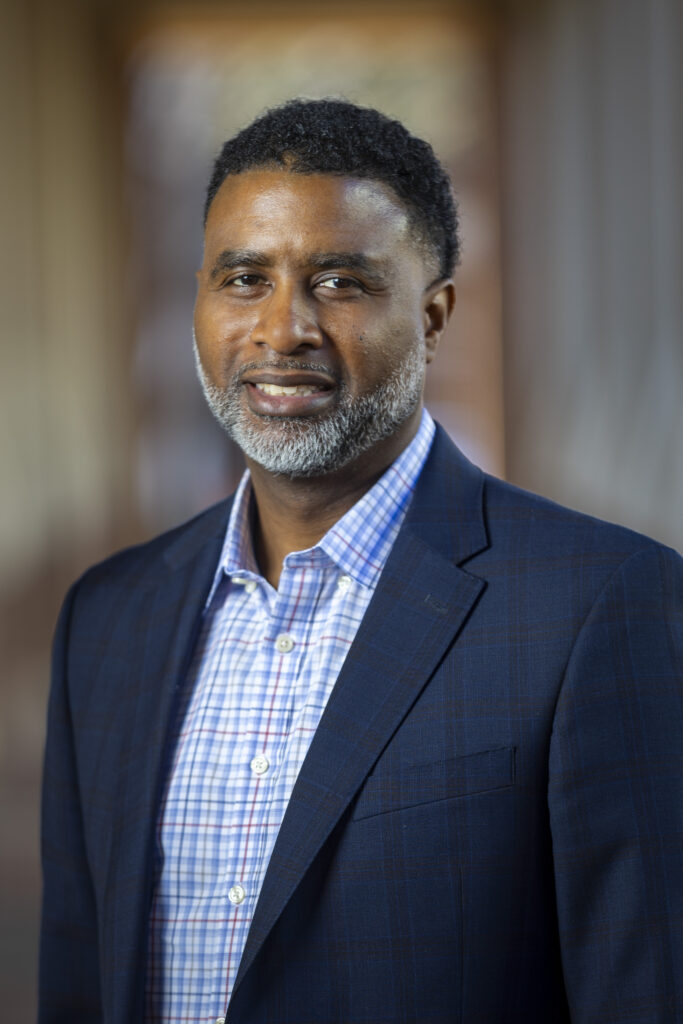
Professor and Vice Chair of Comparative Medicine, Associate Vice Chancellor of Research, Director of the Division of Comparative Medicine
Phone: 919-843-9605
Email
Labcorp Distinguished Professor and Vice Chair for Clinical Research and Academic Affairs
Phone: 984-974-8324
Email
Associate Professor and Vice Chair for Clinical Services
Director of the McLendon Clinical Laboratories
Phone: 984-974-1503
Email

(MD, Al-Nahrain University; PhD, Yokohama City University)
Fellow in Laboratory Genetics & Genomics
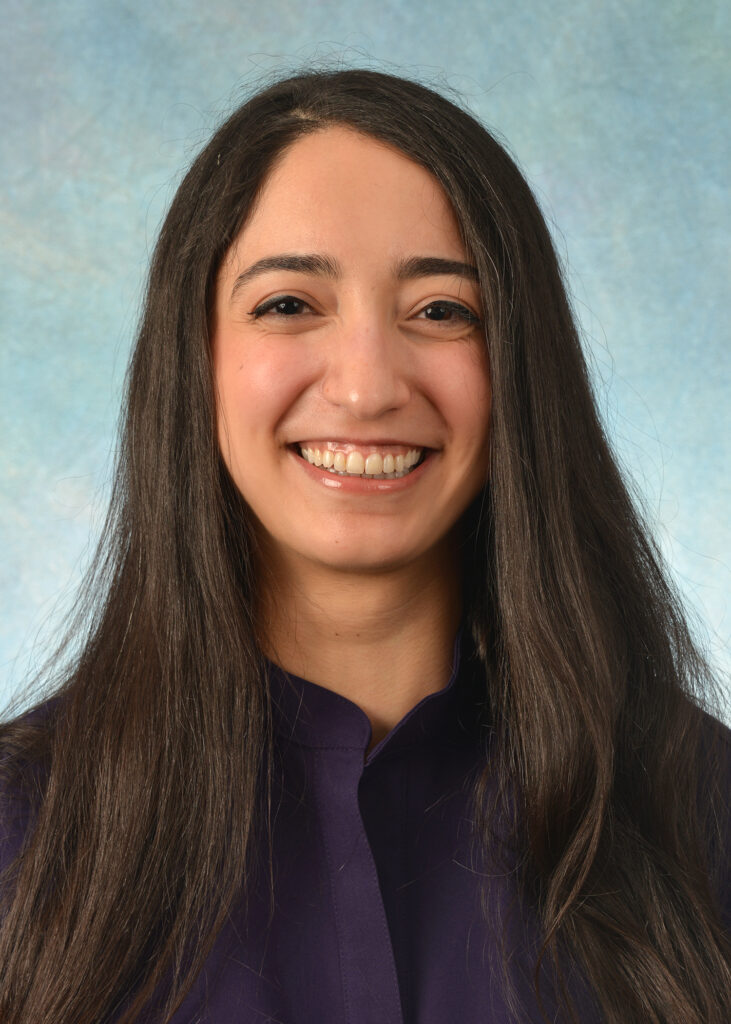
(DDS, University of Jordan; Oral Pathology Certificate/MS, UNC)
Fellow in Head and Neck/ENT Surgical Pathology
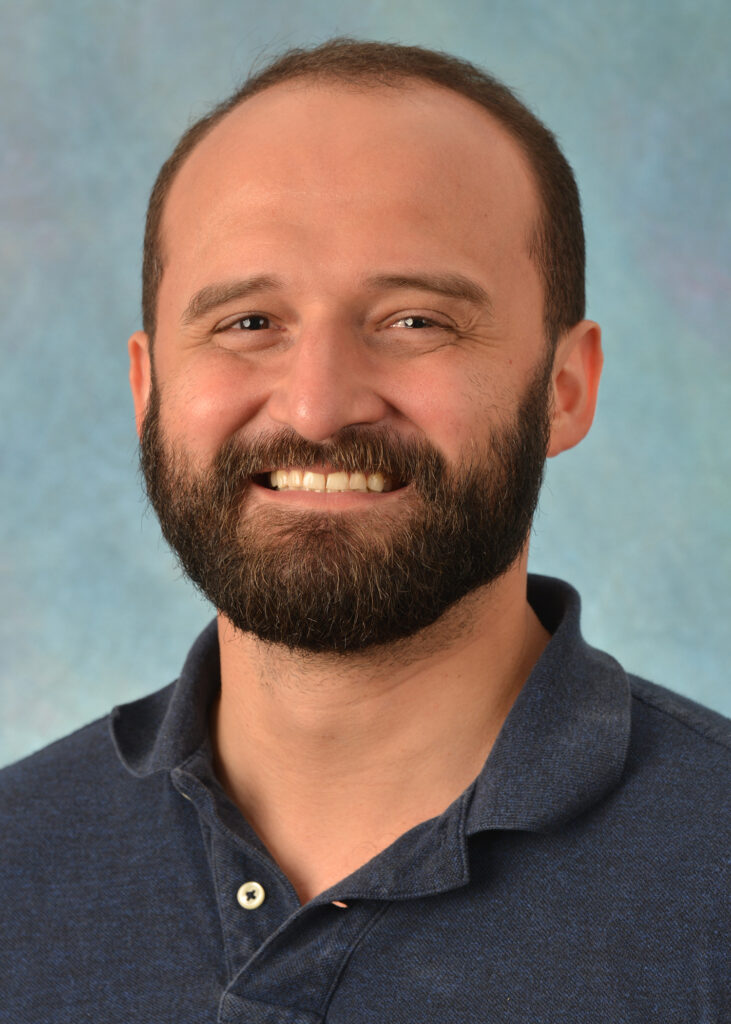
(MD, Faculty of Medicine, Universidad del Norte; Pathology Residency, Florida International University; Surgical Pathology Fellowship, University of Texas Medical Branch)
Fellow in Hematopathology
Protease-activated receptors in cardiovascular diseases, myocarditis, and heart failure animal models
Phone: 919-843-7305
Email
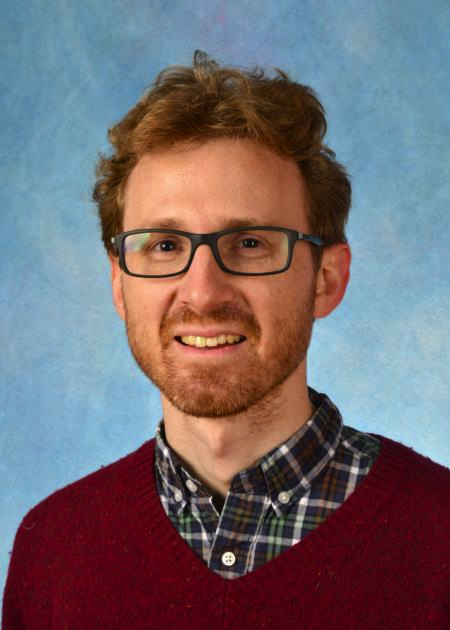
Director of the Microscopy Services Laboratory
Phone: 919-966-2413
Fax: 919-966-6718
Email
Surgical Pathology, Pulmonary Pathology and Pediatric Pathology
Phone: 984-974-9152
Email
Assistant to the Director of McLendon Clinical Laboratories and
Coordinator of Clinical Pathology Fellowship Programs
Office: 919-966-4678
Email
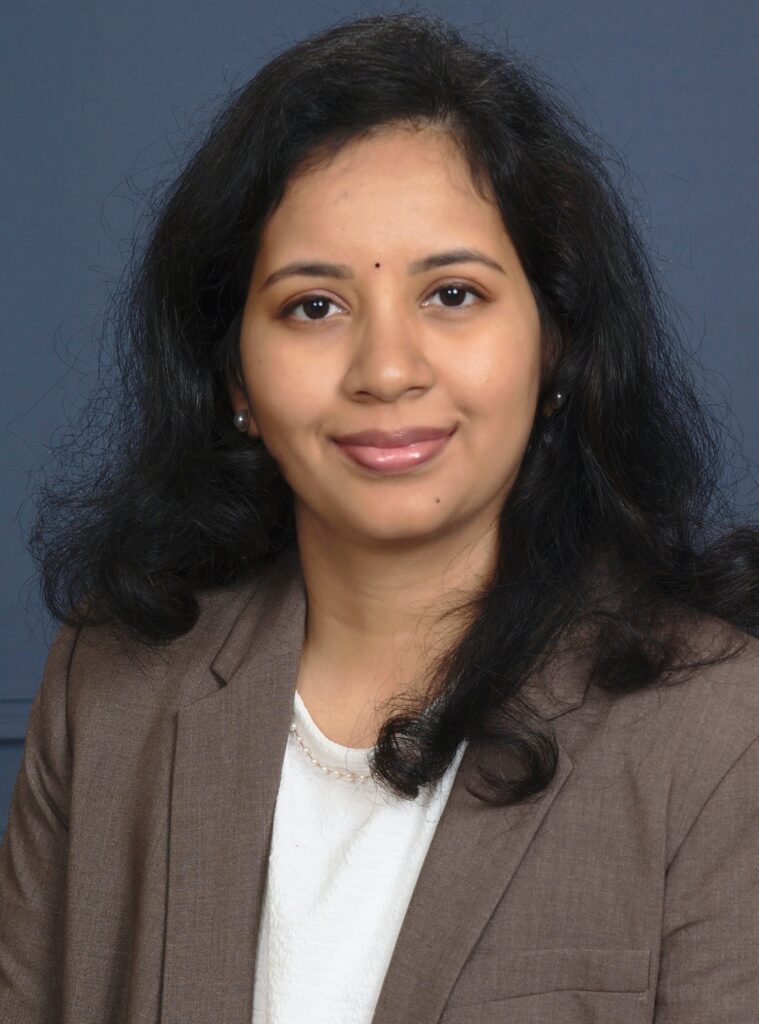
(MD, Government Vellore Medical College, Vellore, India)


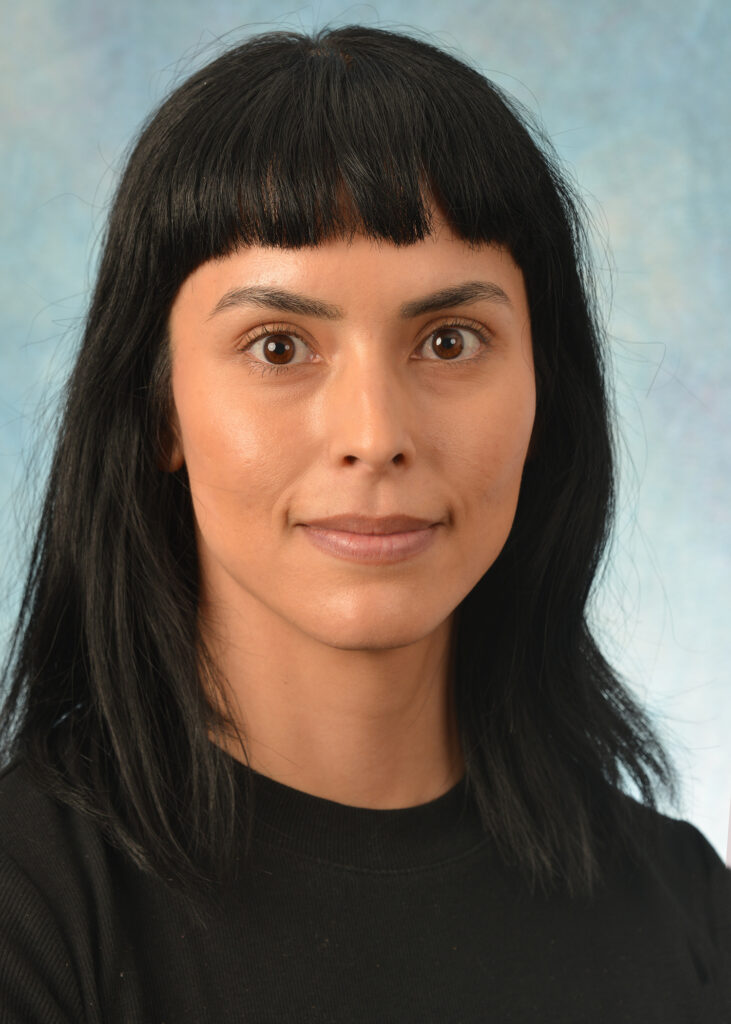
Pathologists’ Assistant; surgical pathology training for residents and students
Phone: 919-966-4467
Email
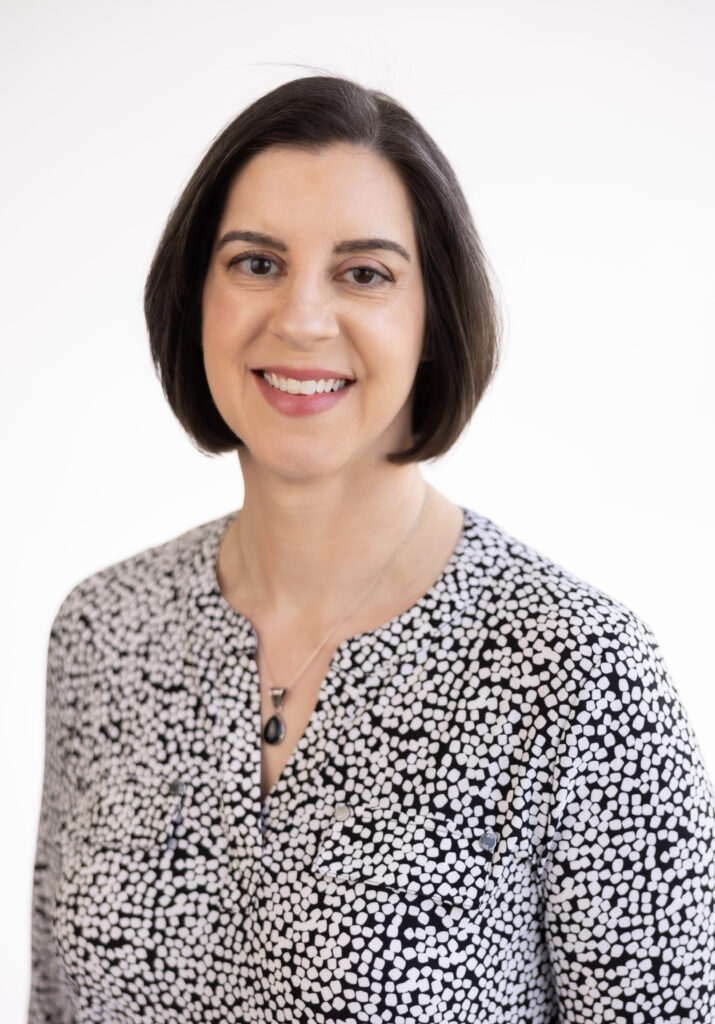
Molecular Genetic Pathology and Clinical Molecular Genetics Laboratory
Phone: 984-974-1456
Email
Dynamics of epithelial integrity and regeneration at the interface of inflammation and cancer; molecular and biochemical mechanisms of endometrial cancer progression
Phone: 919-445-2361
Email
(MD, Medical College of Wisconsin)
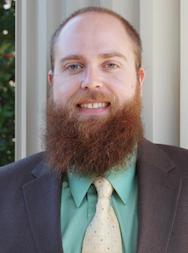
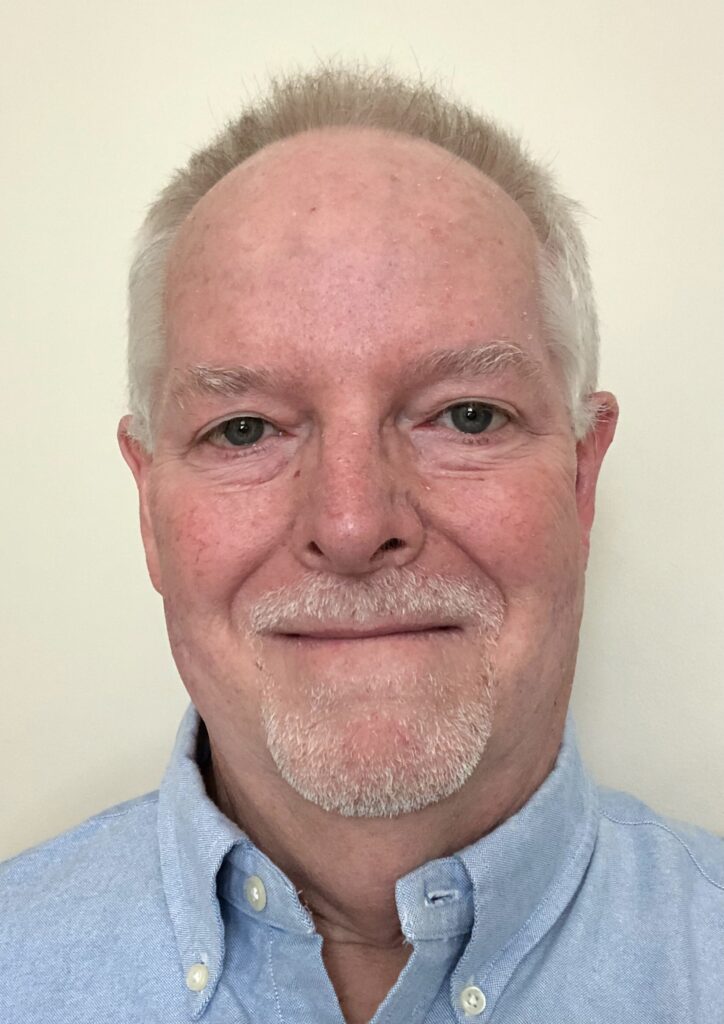
Pathologists’ Assistant; surgical pathology training for residents and students
Phone: 919-974-9163
Email
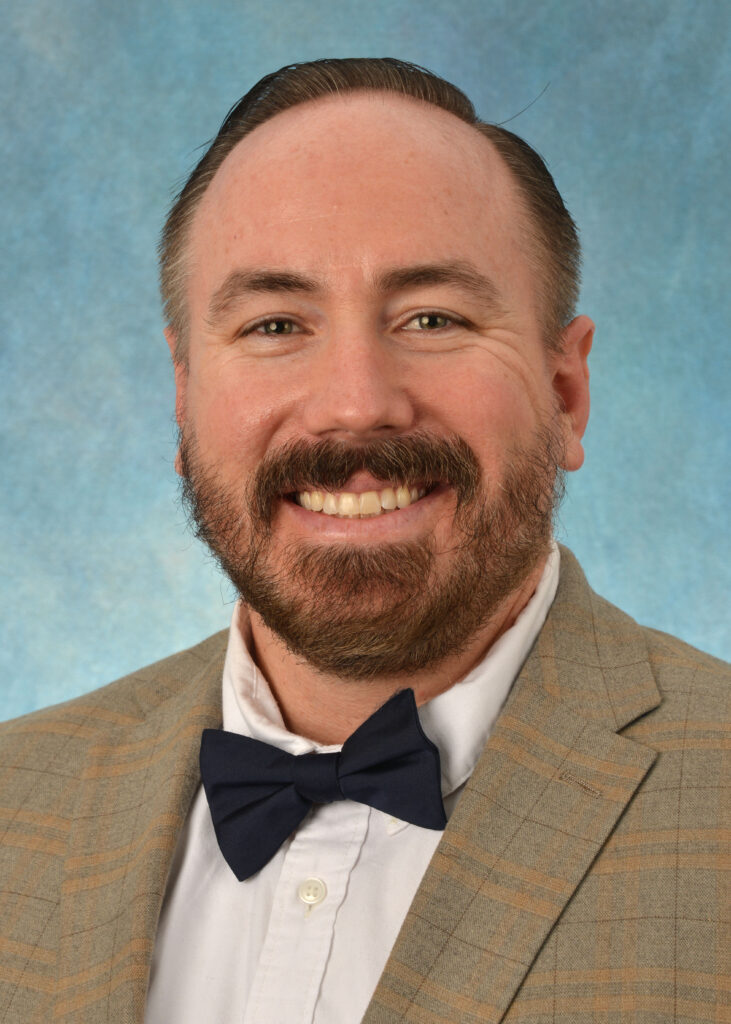
(DO, Campbell University School of Osteopathic Medicine; Pathology Residency, MUSC)
Fellow in Forensic Pathology
Pathologists’ Assistant; surgical pathology training for residents and students
Phone: 984-974-9163
Email
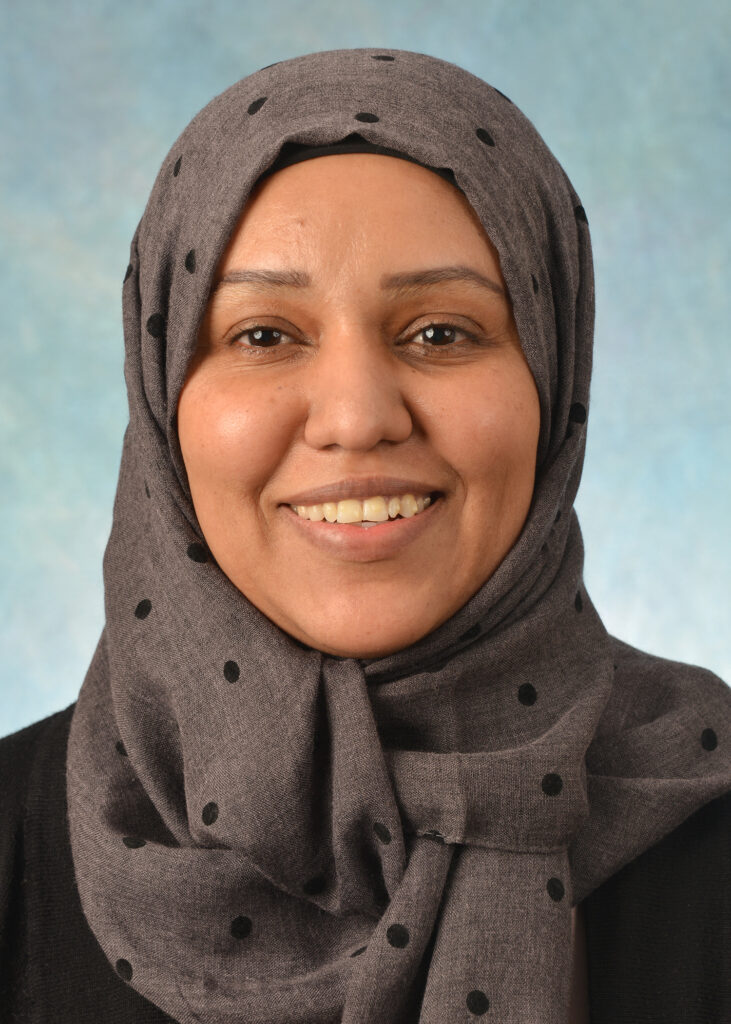
(MD, University of Khartoum Faculty of Medicine; Pathology Residency, Rutgers Robert Wood Johnson Medical School Program)
Fellow in Hematopathology
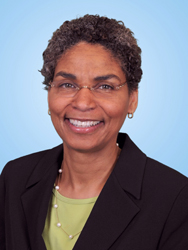
Hematopathology and medical education
Phone: 919-962-8334
Fax: 919-966-0730
Email
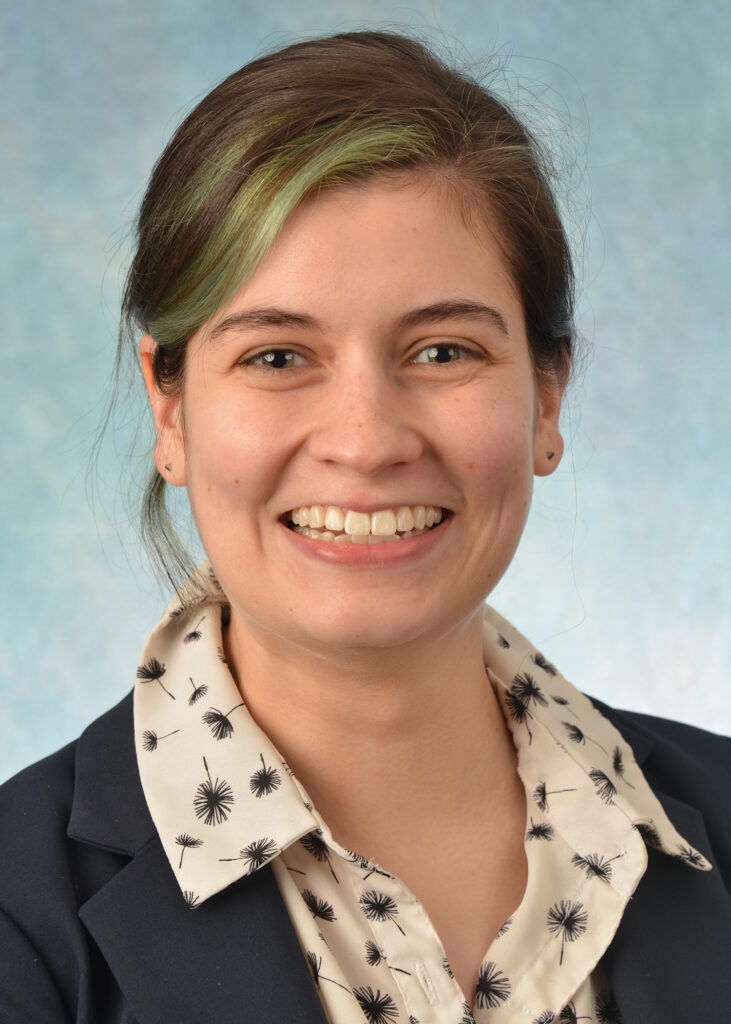

Cytopathology and surgical pathology; neoplasms of bone and soft tissue
Phone: 984-974-9147
Email
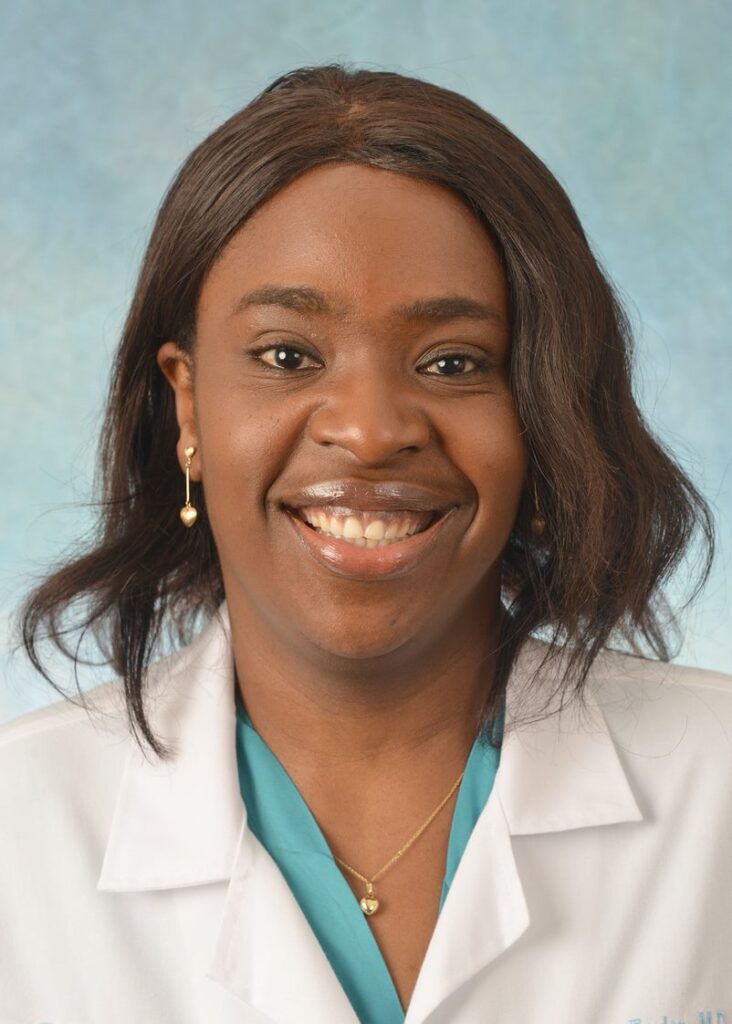
(M.B.B.S., University of Jos, Plateau State, Nigeria; Pathology Residency, SUNY Downstate Medical Center)
Fellow in Cytopathology
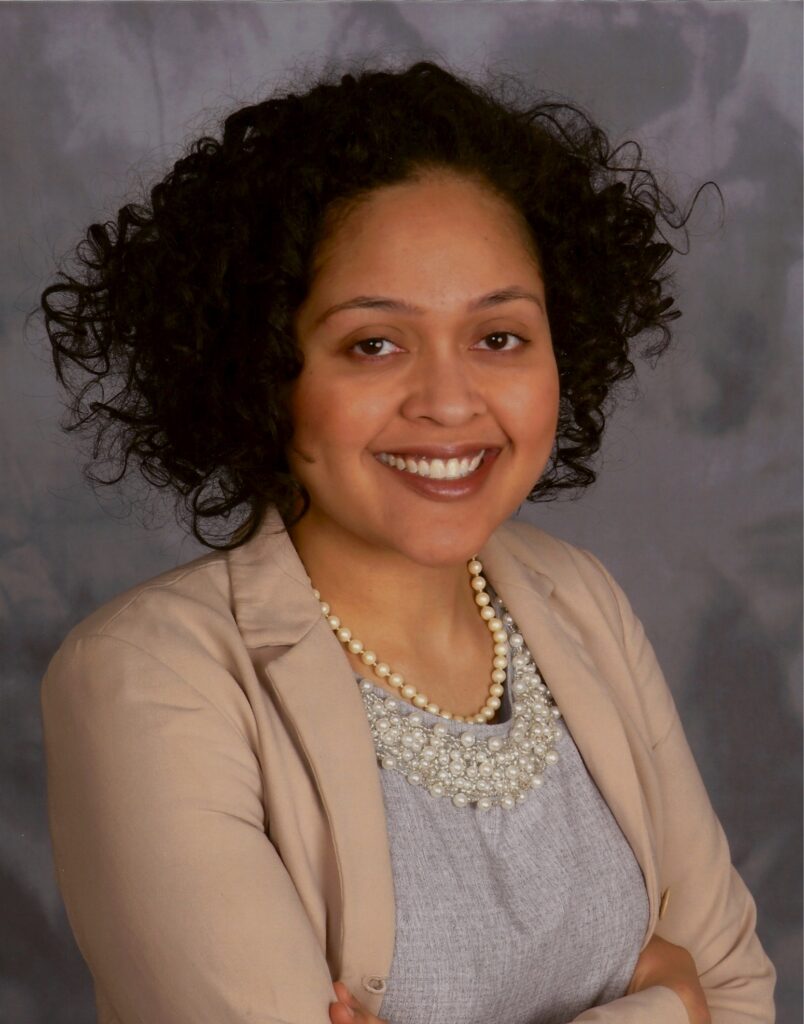
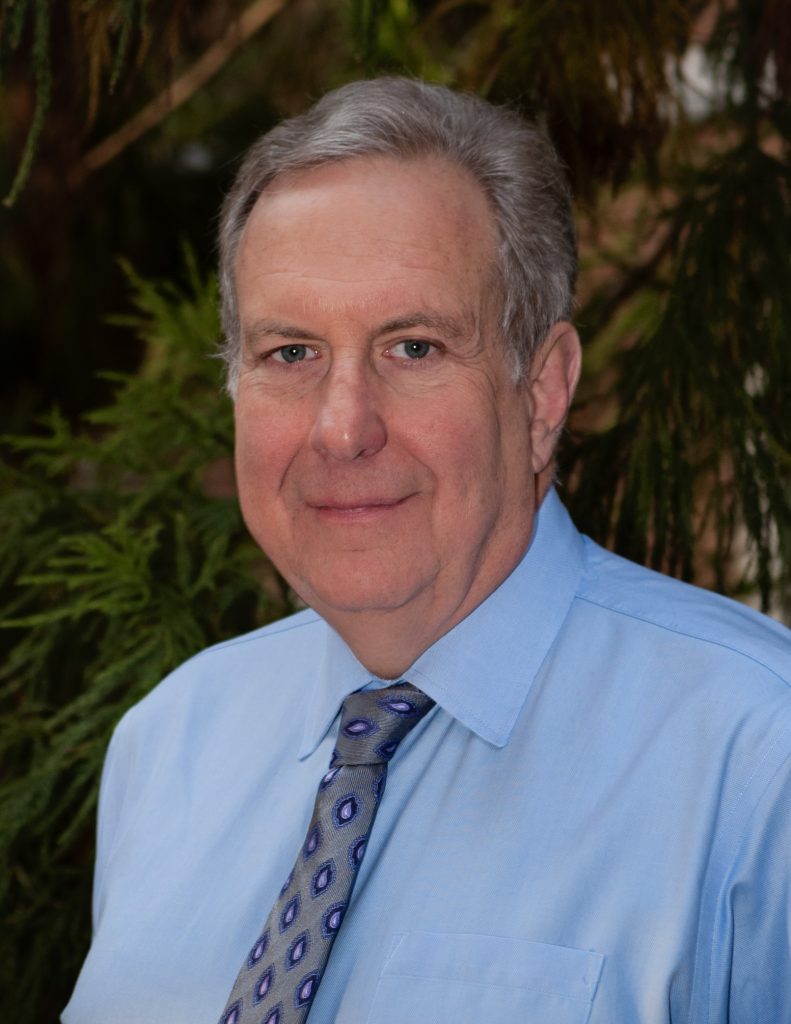
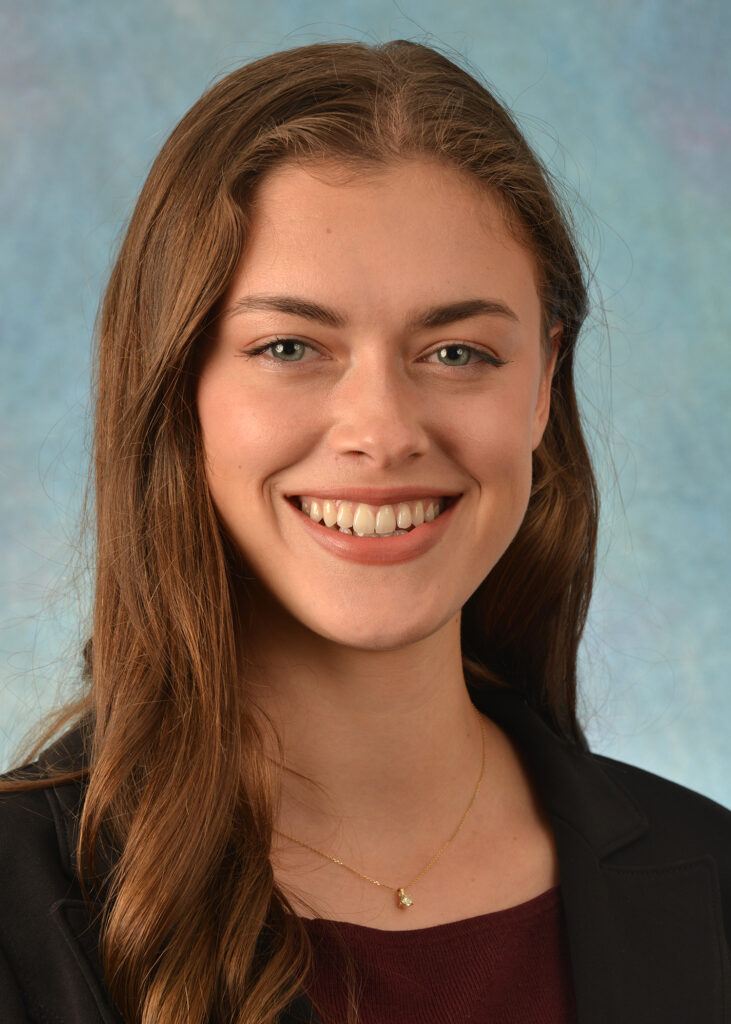
(East Tennessee State University Quillen College Of Medicine)
Elucidating mechanisms linking coagulation and fibrinolytic factors to inflammatory, infectious, and malignant disease
Phone: 919-843-1339
Email
ANCA; autoimmunity; glomerulonephritis; nephrotic syndrome; T cells; myeloid-derived suppressor cells
Phone: 919-445-2629
Email
Phone: 919-843-4702
Email
Pathologists’ Assistant; surgical pathology training for residents and students
Phone: 984-974-9163
Email
Epithelial cell biology; reproductive tract development and neoplasia
Phone: 919-962-9877
Email
Veterinary pathology; animal models of disease; T cell development and biology; autoimmune disease
Phone: 919-966-2903
Email
Cytopatholgy including fine needle aspiration, and diagnostic surgical pathology with focus on bone and soft tissue, and gastrointestinal pathology.
Phone: 984-974-9157
Email
(University of Vermont College of Medicine)
(MD, University of Arkansas For Medical Sciences; Pathology Residency, UNC-CH)
Fellow in Surgical Pathology
(DO, Rowan University School of Osteopathic Medicine; Pathology Residency, Case Western Reserve University/University Hospitals Cleveland Medical Center)
Fellow in Surgical Pathology
(MD, Louisiana State University School of Medicine, Shreveport)
Laboratory animal medicine; providing veterinary consultation to principal investigators in development of grant application utilizing vertebrate animals
Phone: 919-966-5569
Fax: 919-966-8429
Email
Coordinator of the Residency Program and the Anatomic Pathology Fellowship Program
Office: 984-974-9132
Email
Pathologists’ Assistant; surgical pathology training for residents and students
Phone: 984-974-9163
Email
Autopsy and Medical Education
Phone: 919-966-9748
Fax: 919-966-6718
Email
Histopathology as a tool to support innovation and discovery through clinical and translational research on inflammatory and neoplastic disorders of the digestive system
Phone: 984-974-9148
Email
Elucidating immunopathogenic mechanisms in human and experimental glomerular diseases and vasculitides; developing innovative approaches for using renal biopsy specimens and serology to diagnose and understand kidney disease
Phone: 919-966-4679
Email
(DO, Campbell University)
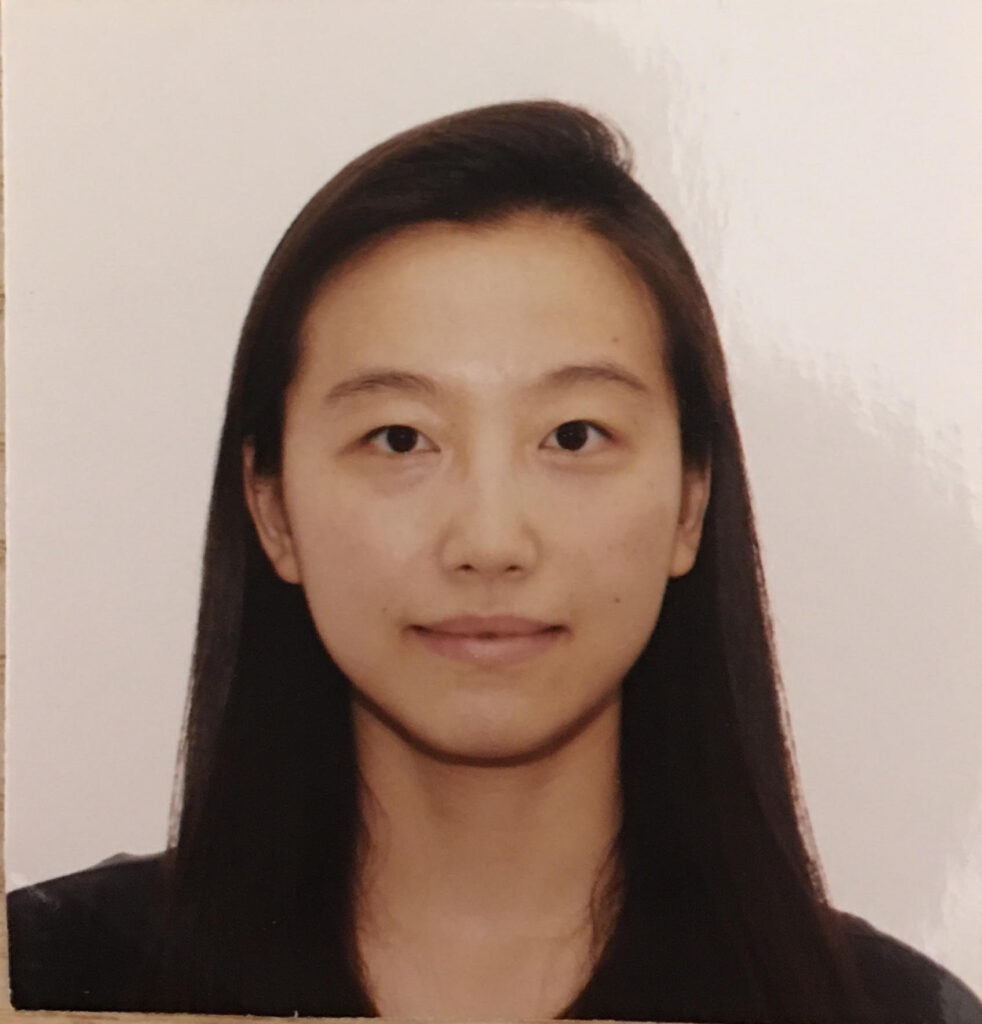
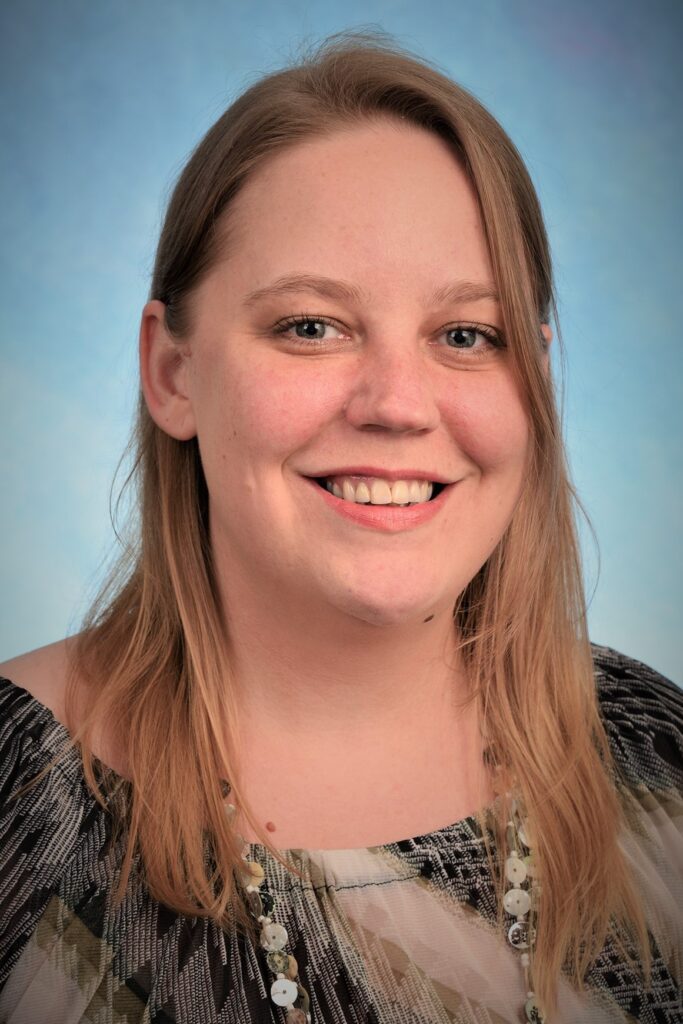
General clinical chemistry, critical and point-of-care testing, and quality management
Phone: 919-966-1098
Email
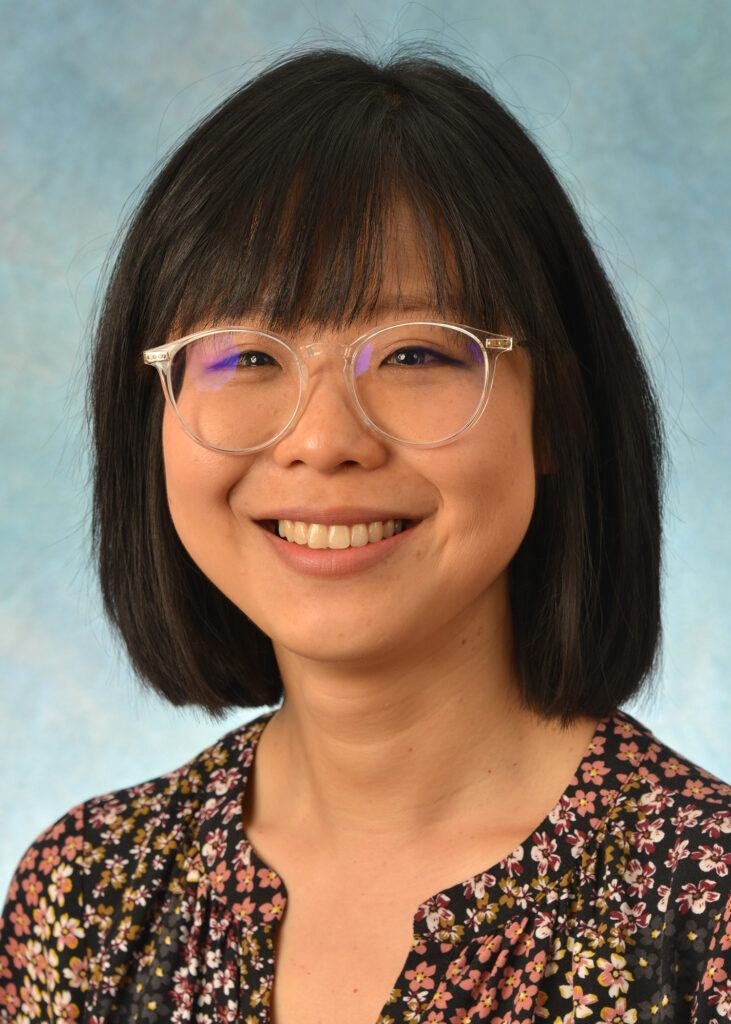
(MD, Faculty of Medicine Siriraj Hospital; Pathology Residency, Yale School of Medicine; Neuropathology Fellow, Vanderbilt University)
Fellow in Molecular Genetic Pathology
Role of factors in the sFlt-1/ET-1 pathway in pre-eclampsia and potential prophylactic and therapeutic targets in the pathway
Phone: 919-966-6915
Email
(FL - Florida International Univ, College Of Medicine)
Molecular mechanisms of cardiovascular disease; transcription and cell signaling pathways that regulate smooth muscle cell differentiation
Phone: 919-843-5512
Email


DNA-level studies of the generation of variations of genes, particularly in multi-gene families; gene targeting and molecular pathology of atherosclerosis; and molecular evolution
Phone: 919-966-6914
Email
(MD, University of Virginia School of Medicine)
Hematopathology, Special Coagulation, and Transfusion Medicine
(MD, Wright State University Boonshaft School of Medicine)
(MD, Western Michigan University, Homer Stryker School of Medicine)
Francis Owen Blood Research Lab (FOBRL)
Business Officer
Post Award
Office: 919-966-1360
Email
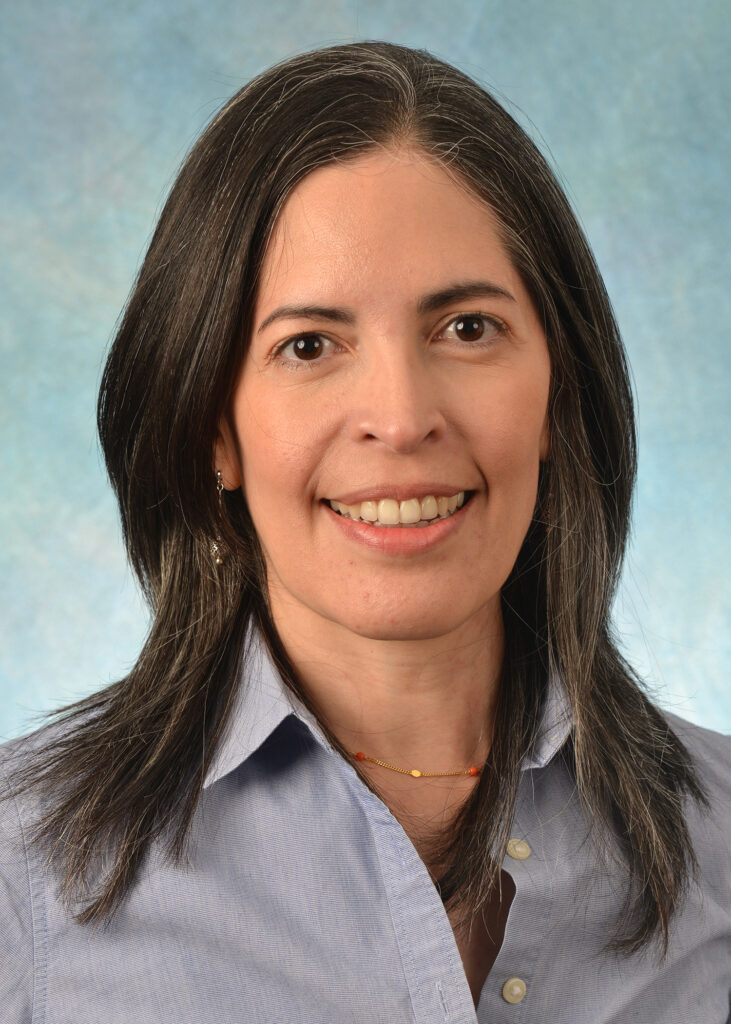
Nephropathology
Email

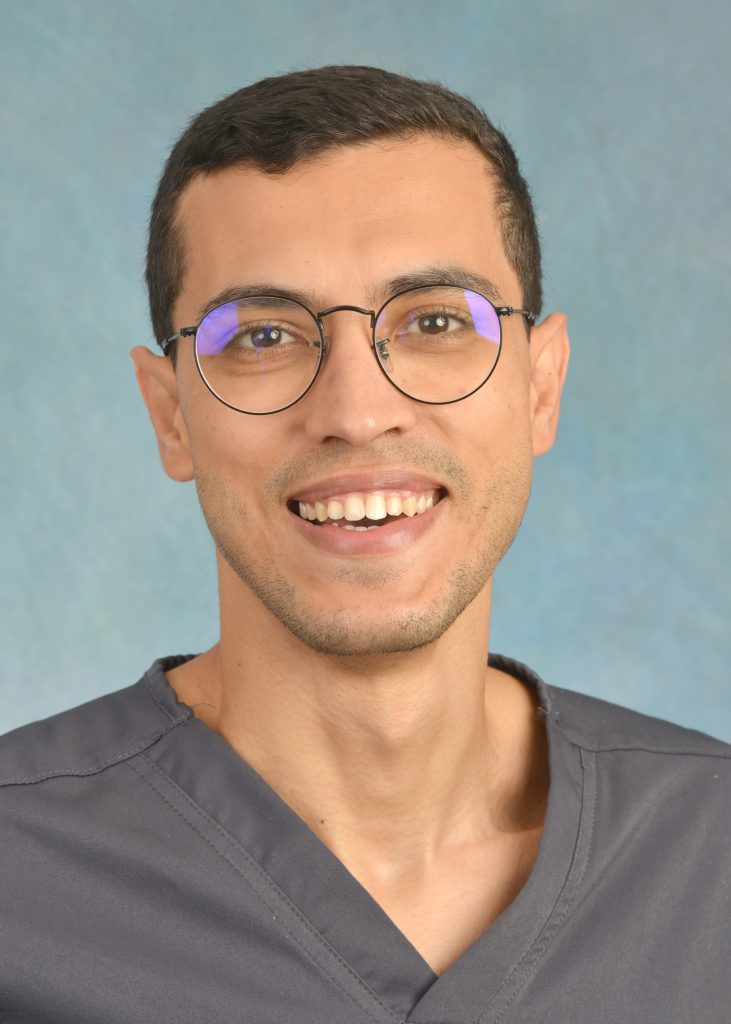
(MD, Medicine School of Tunis)
Forensic pathology; water-related deaths, including drowning of all kinds and particularly scuba, rebreather, and freediving deaths
Phone: 919-743-9000
Email
Role of von Willebrand factor in thrombosis and atherosclerosis; molecular biology of porcine von Willebrand factor
Phone: 919-966-1061
Email
(MD, Faculty of Medicine and Biomedical Sciences, University of Yaounde I; PhD, Free University of Brussels; Pathology Residency, UAB)
Fellow in Blood Banking/Transfusion Medicine
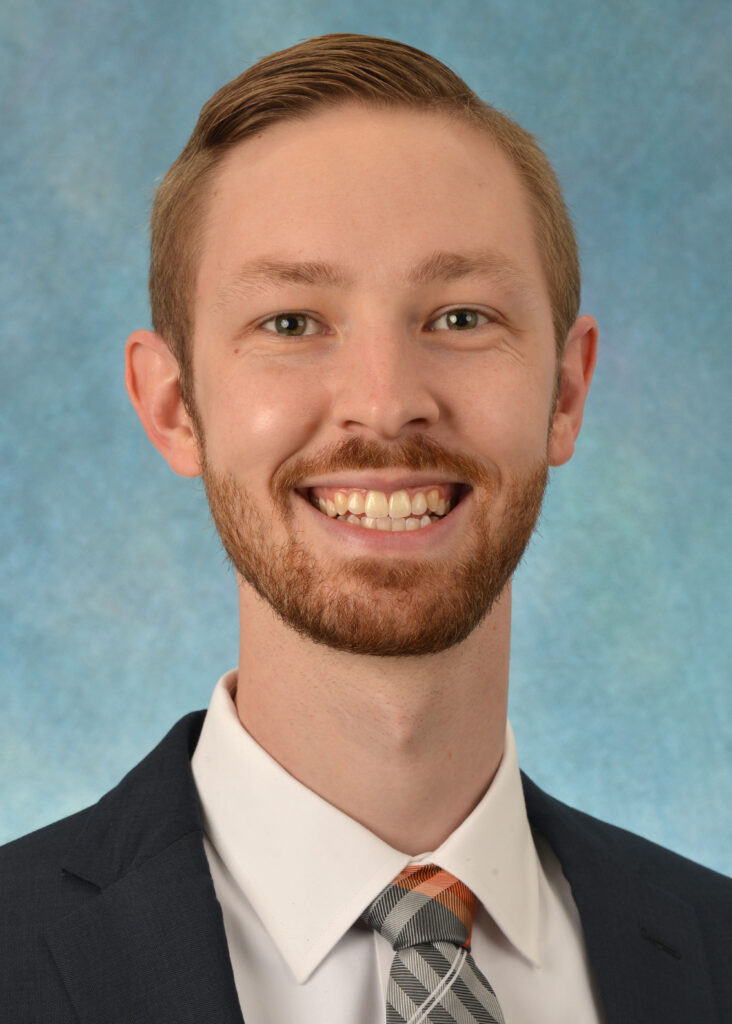
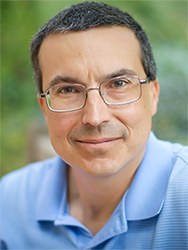
Breast cancer; genomics; microarrays; tumor classification; drug resistance
Phone: 919-843-5740
Email
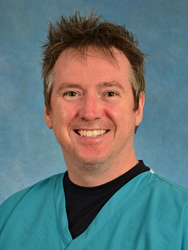
Pathologists’ Assistant; surgical pathology training for residents and students
Phone: 984-974-9163
Email
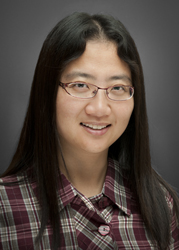
Associate Director of the McAllister Heart Institute
Phone: 919-962-0340
Email
Qian Lab Web Site
Role of host genetics on host–microbe interactions; impact of environmental factors on murine models of human disease
Phone: 919-966-2901
Email
(University of Puerto Rico School of Medicine)
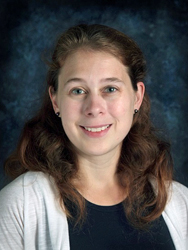
Gynecologic pathology, ENT pathology, and cytopathology
Phone: 984-974-6176
Email
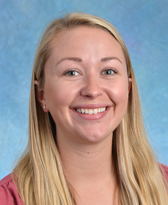
(DO, University of New England College of Osteopathic Medicine; Pathology Residency, UNC-CH)
Fellow in Surgical Pathology
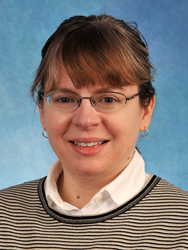
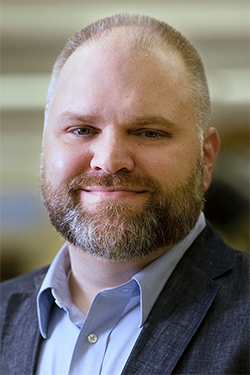
Pharmacology; translational research in patients with myocardial infarcts
Phone: 919-843-8708
Email
Molecular diagnosis of sexually transmitted diseases; applications of flow cytometry in the clinical laboratory; laboratory immunology; histocompatibility
Phone: 919-966-8453
Email
Forensic pathology; preventive health, especially suicide and accident prevention; the value of autopsy in medical education
Phone: 919-743-9000
Email
Laboratory animal medicine; infectious disease
Phone: 919-966-2909
Email
Cytopathology, gastrointestinal pathology, and genitourinary pathology
Phone: 984-215-5156
Email
Urologic Pathology, Head and Neck Pathology, and Thoracic Pathology
Phone: 984-215-3684
Email
(MD, St. George’s University School of Medicine; Pathology Residency, East Tennessee State University Pathology)
Fellow in Cytopathology
Administrative Support Associate
Email
(MD, University of Tennessee Health Science Center College of Medicine)
Molecular biology; structure-function relationships of coagulation factors
Phone: 919-962-2267
Email
Mechanisms of mutagenesis and carcinogenesis with emphasis on the role of DNA adducts and cell proliferation
Phone: 919-966-6139
Email
(MD, Eastern Virginia Medical School)
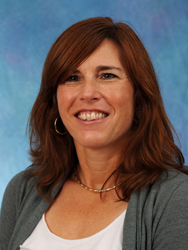
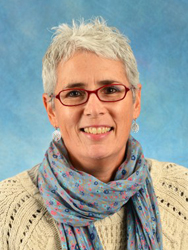
Molecular pathology, muscle pathology, autopsy pathology, and tissue banking
Office: 919-966-8003
Email
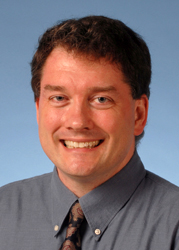
Neuropathology, surgical pathology, and ophthalmic pathology
Office: 984-974-9153
Email
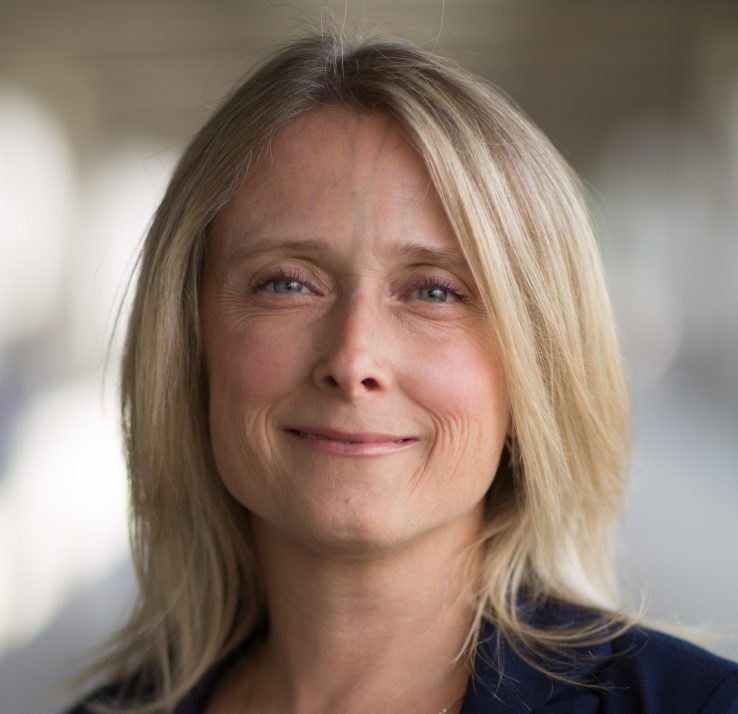

Coordinator of the Graduate Program and of Basic Science Educational Activities
Office: 919-843-5878
Email
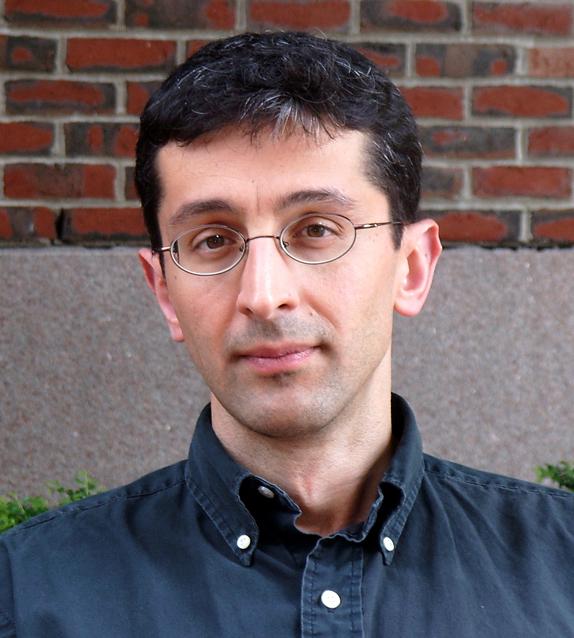
Regulation of DNA replication, S-phase checkpoints, and post-replication DNA repair on mammalian cells
Phone: 919-843-9639
Email
Vaziri Lab Web Site
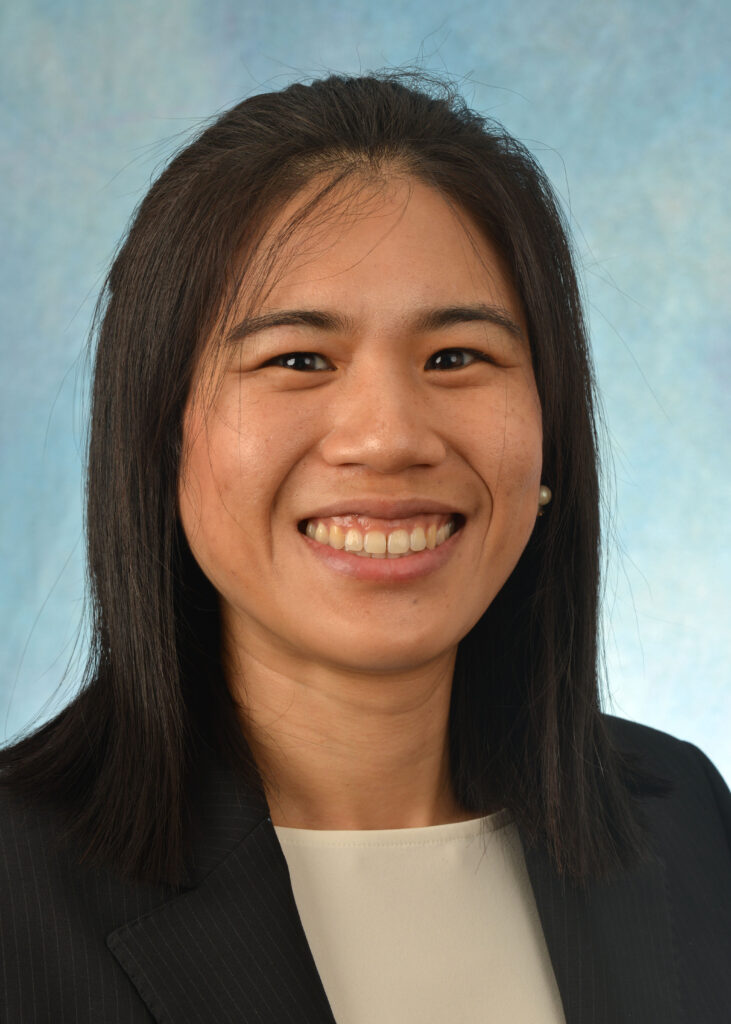
(MD, Siriraj Hospital Faculty of Medicine)
Research Assistant Professor
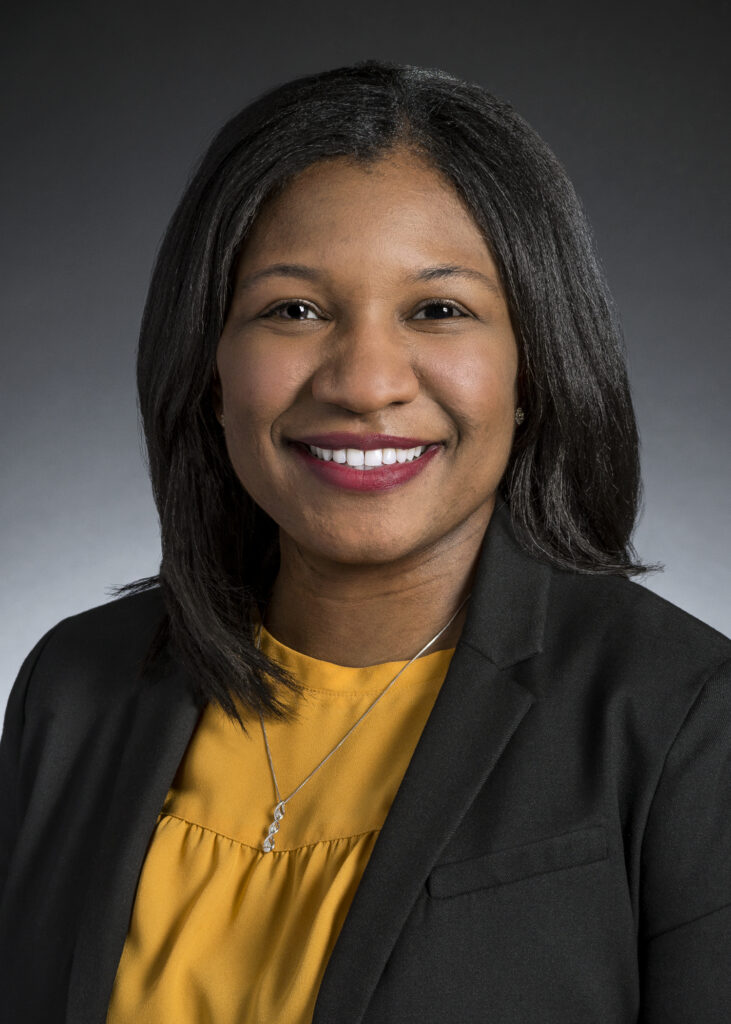
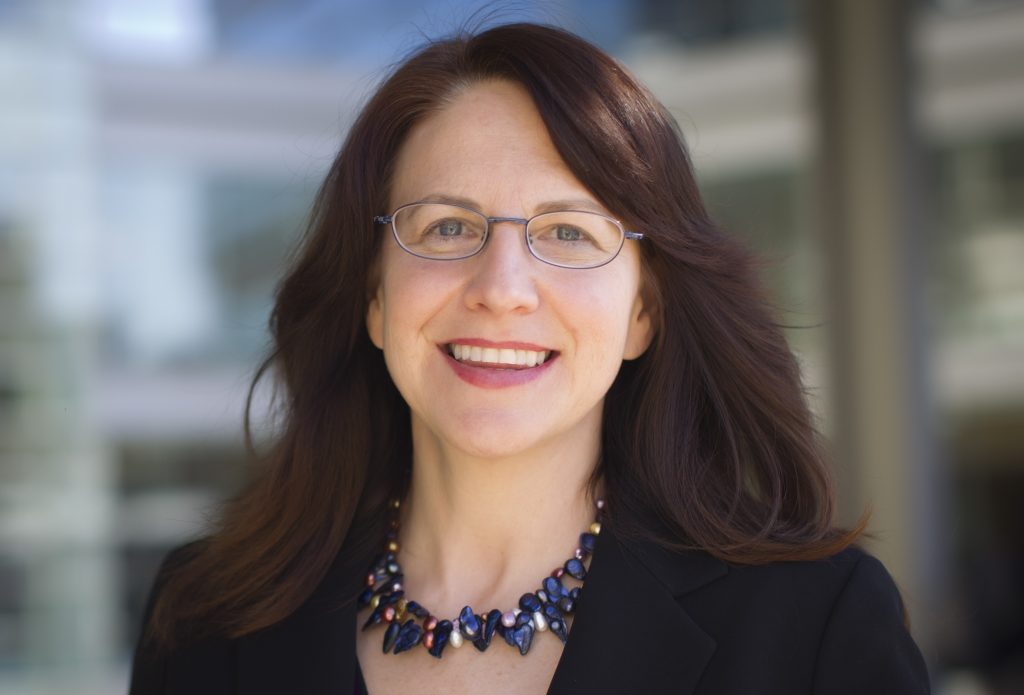
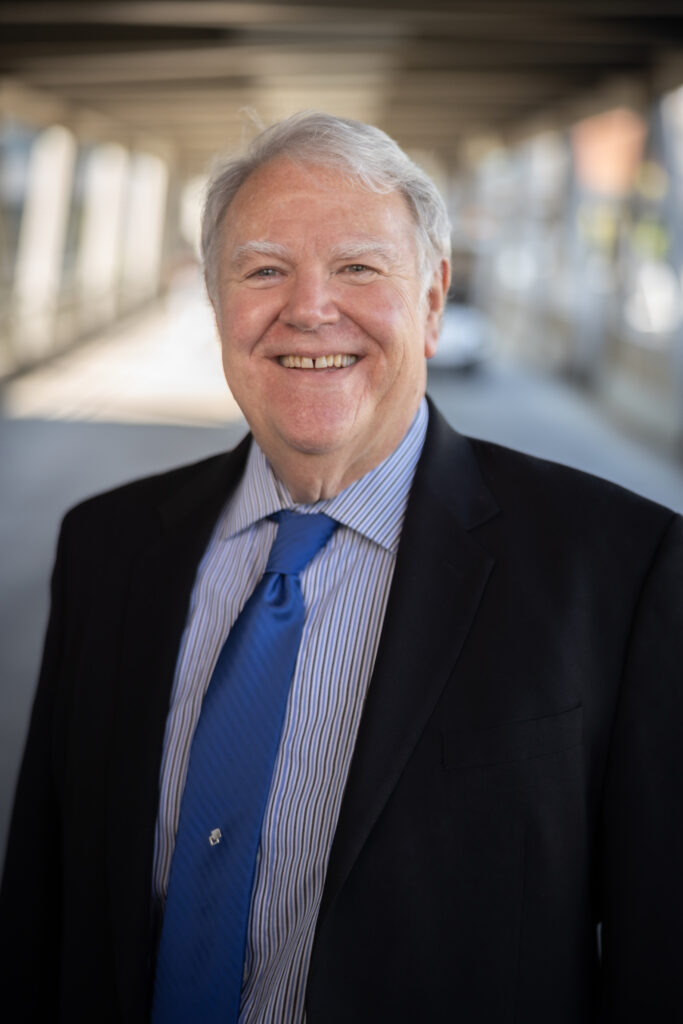
Tumor suppressor genes, gene mapping, cellular differentiation and transformation
Phone: 919-966-7533
Email
Androgen receptor, HER-2 and Ack1 tryosine kinase, prostate cancer
Phone: 919-966-8645
Email
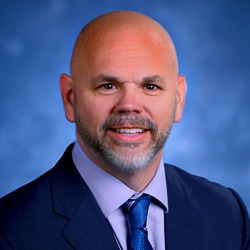
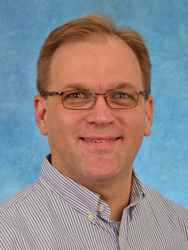
Hematopathology
Phone (office): 919-843-9949
Phone (lab): 919-843-9950
Email
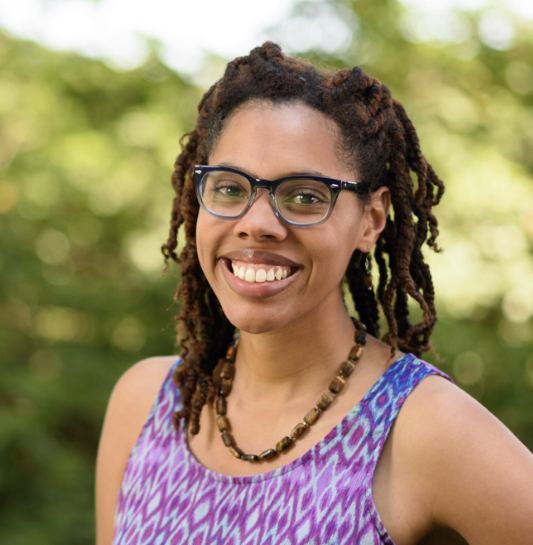
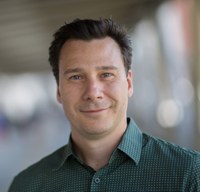
Developmental and stem cell biology of epithelia; asymmetric cell division
Phone: 919-966-2737
Email
Scott Williams' Lab Web Site
Steroid hormone regulation of gene expression; endocrinology; environmental androgens and antiandrogens
Phone: 919-966-5168
Email
Phone: 919-843-4312
Email
(DO, Campbell University School of Osteopathic Medicine)