Lung Transplantation
Introduction
The University of North Carolina’s lung transplant program is a leader in lung transplant with ground breaking research and innovative treatments that lead to excellent patient outcomes and care. We are one of the oldest lung transplant programs in the country, transplanting >600 patients since the early 1990’s with successful outcomes and some of the longest living transplant survivors worldwide. We specialize in all types of severe lung disease including cystic fibrosis (CF), idiopathic pulmonary fibrosis (IPF), interstitial lung disease (ILD), emphysema (COPD), bronchiectasis, pulmonary hypertension, sarcoidosis, lymphangioleiomyomatosis (LAM) and alpha1-antitypsin deficiency.
Our program is part of a comprehensive transplant center offering kidney, liver, heart and pancreas transplant and capable of doing dual organ transplantation including heart-lung and lung-kidney. We partner with a world class advanced lung disease center at the University of North Carolina at Chapel Hill to ensure you get phenomenal care prior to transplant as well. It is our goal to continually improve the health of our community and our patients.
Patient Education Transplant Handbook (LINK PDF)
Program Highlights
Innovation: Our patients have access to cutting edge technology and care including ambulatory ECMO and state of the art antimicrobials.
Multidisciplinary Team: Transplant care at UNC is a team approach including professionals from surgery, pulmonary, infectious disease, hematology, gastroenterology, radiology, pathology, interventional radiology, pharmacy, physical therapy, nutrition, psychiatry, psychology and social work.
Personalized Care: We individualize the care provided in order to address each patient’s needs and goals for his or her transplant journey.
Accessibility: Patients and their caregivers are easily able to communicate directly with nurse coordinators, pharmacists and physicians.
Patient and Caregiver Education: Lung transplant classes are held weekly on a variety of topics to ensure you are fully informed and able to make the best choices in your health care.
Patient and Caregiver Support Resources: Our support groups for patients and their loved ones are instrumental as emotional support is an important part of your care. Support groups and community resources can help you and your loved ones through the transplant process and recovery.
Transplant research: UNC surgeons, physicians, pharmacists, psychologists and social workers have published and presented at international medical conferences on topics such as operative techniques, post-transplant infections, post-transplant lymphoma, ischemic reperfusion injury, lung preservation, post-transplant osteoporosis, and chronic graft rejection. The UNC lung transplant program conducts research to compliment excellent, comprehensive, clinical care. Research programs improve outcomes of lung transplant patients in the near and distant future. In addition, research programs allow patients access to new information and medications that may improve their likelihood of a successful lung transplant.
Lung Transplant Team
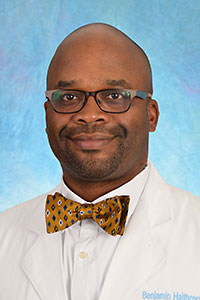
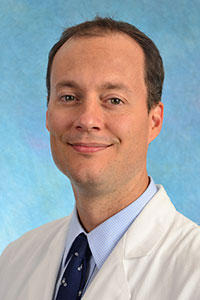
Transplant Surgeons:
-
Surgical Director, UNC Lung Transplant Program
Director, Cardiothoracic Surgery Residency Program
Co-Director, UNC Lung Cancer Screening Clinic
Associate Professor of Surgery
Director of Thoracic Surgical Oncology
Assistant Professor of Surgery
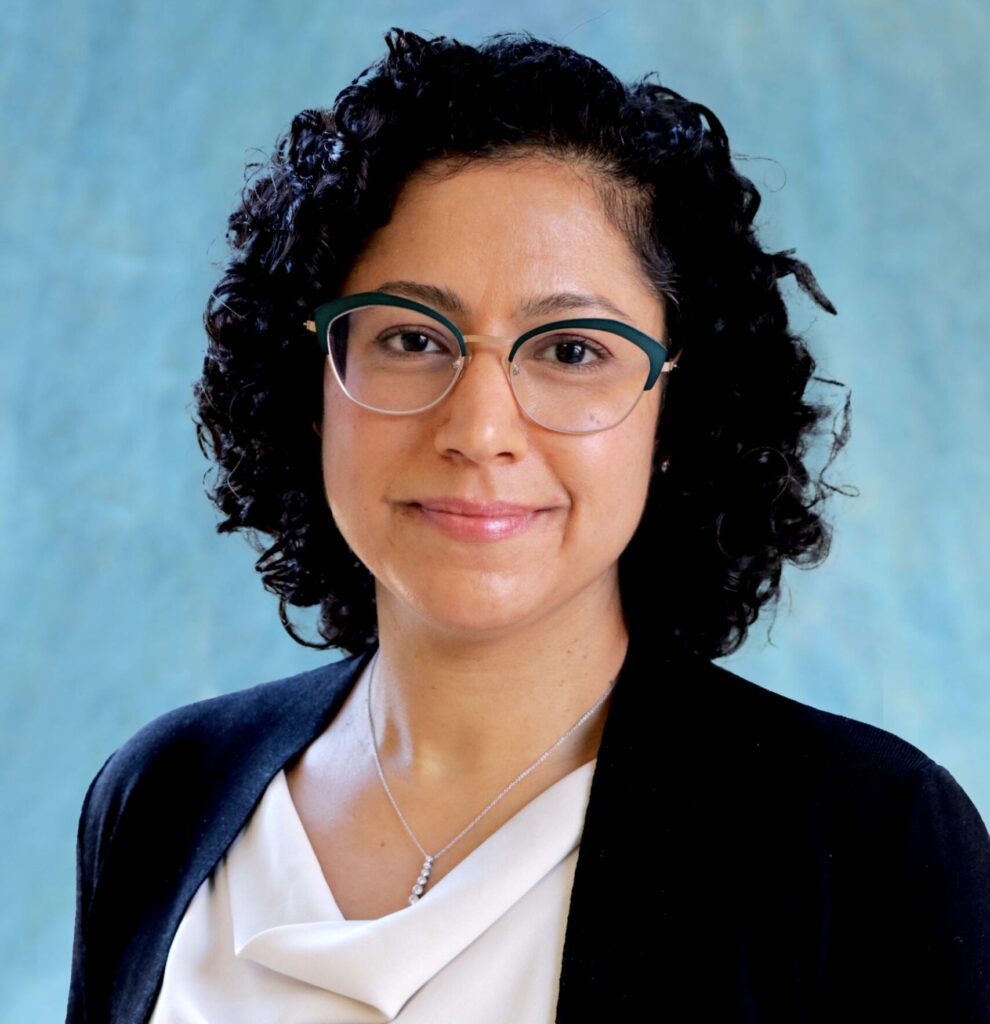
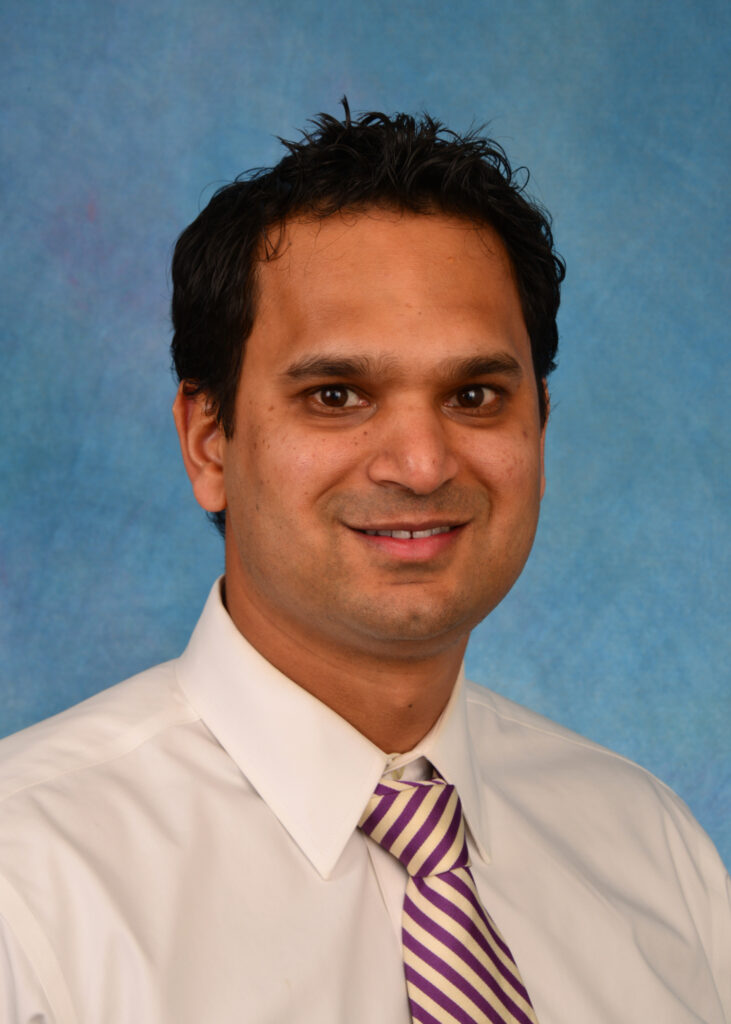
Transplant Pulmonologists:
-
Associate Professor of Medicine
Email: ray_coakley@med.unc.eduProfessor of Medicine
Kimberly H. Tsamoutales Distinguished Professor of Medicine
Email: jason_lobo@med.unc.edu
Infectious Disease:
-
Professor of Medicine
Director, Immunocompromised Host Infectious Diseases Section
Transplant Pharmacists:
-
Solid Organ Transplant Clinical Pharmacist Practitioner
Solid Organ Transplant Clinical Pharmacist Practitioner
Clinical Pharmacy Specialist, Lung Transplant/Thoracic Surgery
Transplant Nurse Practitioner
-
Solid Organ Transplant Clinical Nurse Practitioner and Coordinator
Social Work
-
Laurie McDonald

Transplant case manager and Social Worker
Office: 984-974-7599
Psychology
-
Professor of Psychology
Office: 919-966-9125
Nutrition
-
Clinical Dietitian
Office: 984-974-3361
Transplant Coordinators:
-
Andrea Copeland BSN, RN
Transplant Coordinator
Office: 984-974-7589Fax: 984-974-6822Caryn Lynn, BSN, RN
Transplant Coordinator
Office: 984-974-7504Fax: 984-974-6822Kelly Watson, BSN, RN, CPN
Transplant Coordinator
Office: 984-974-7587Fax: 984-974-6822Solid Organ Transplant Clinical Nurse Practitioner and Coordinator
Make a Referral/Contact Us
-
Cristy McCartney
Program Assistant for Lung Transplant program
Kelly Watson, BSN, RN, CPN
-
-
-
-
-