Alisa Wolberg’s Lab
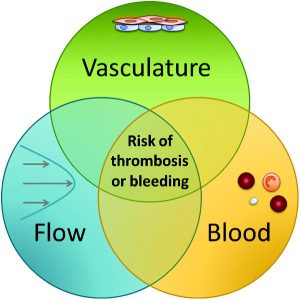
Cardiovascular disease is the leading cause of death and disability in the Western world. In addition, abnormal blood clotting contributes to the pathophysiology of many diseases, including cancer, infection, and autoimmune and inflammatory disorders. We study cellular, biochemical, and biophysical mechanisms that mediate blood coagulation using state-of-the-art technologies including in vivo, ex vivo, and in vitro models. Our goal is to advance understanding of molecular mechanisms that regulate normal biology, identify mechanisms that are altered in disease, and develop new treatments for disorders involving blood cells and proteins.
Some facts about thrombosis and bleeding:
- Complications of abnormal blood clotting are the leading killer of Americans today.
- Heart disease is the leading cause of death in American women – more than all forms of cancer and the next four leading causes of death combined.
- Thrombosis is the most frequent cause of death in cancer patients.
- Severe bleeding complicates approximately 10% of open-heart surgeries.
- Annually there are over 1 million cases of bleeding in the US that are the primary cause of hospitalization.
- More people die of arterial thrombosis than from cancer; more people die from venous thrombosis than from accidents.