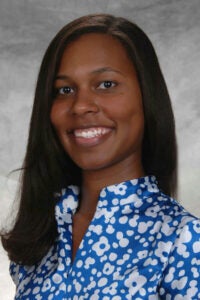
Principal Investigator
Transition for Youth with Autism and/or Epilepsy
The University of North Carolina has been awarded $2.2 million from the Health Resources and Services Administration’s Maternal and Child Health Bureau (HRSA MCHB) to be one of eleven National Transition for Youth with Autism (4 grants) and/or Epilepsy (7 grants) Demonstration Projects. CIDD community members who contributed to the proposal and will be involved in the project include Diana Cejas (PI) and Anne Harris (Co-PI) alongside Marcia Cordova Roth, Julie Williams-Swiggett, Morgan Parlier, Anna Ward, Kenneth Kelty, and Margaret DeRamus. Other involved university partners include neurologist Dr. Linn Liu and psychologist Dr. Blaise Morrison.
This five-year project aims to improve national, state, and local/community-level frameworks that support a successful transition from child to adult serving systems for youth with autism and/or epilepsy who have complex health and social needs and require a higher level of family support and coordination. The goal of UNC’s Whole Brain Health Program (WBHP) is to improve transition outcomes, quality of life and well-being for youth ages 13-26 with Epilepsy and co-occurring intellectual and/or developmental disabilities with or without mental/behavioral health diagnoses, and their families/caregivers as they transition from child to adult systems including pediatric to adult health care, education, employment, and community living. To better serve the many individuals with epilepsy and intellectual developmental disabilities (I/DD) and complex care needs requiring family support and coordination, the UNC Department of Neurology will partner with the Carolina Institute for Developmental Disabilities (CIDD), the NC Division of Child and Family Wellbeing/CYSHCN Program, and diverse state and community stakeholders including disability and family organizations and individual patients/self-advocates. Funding will expand capacity for a comprehensive, transdisciplinary WBHP Transition Clinic, hire family navigation and peer support staff, train and mentor pediatric and adult healthcare providers, and implement systems science approaches to improve coordination and alignment of existing and emerging transition resources for NC youth with co-occurring epilepsy and intellectual and/or developmental disabilities.