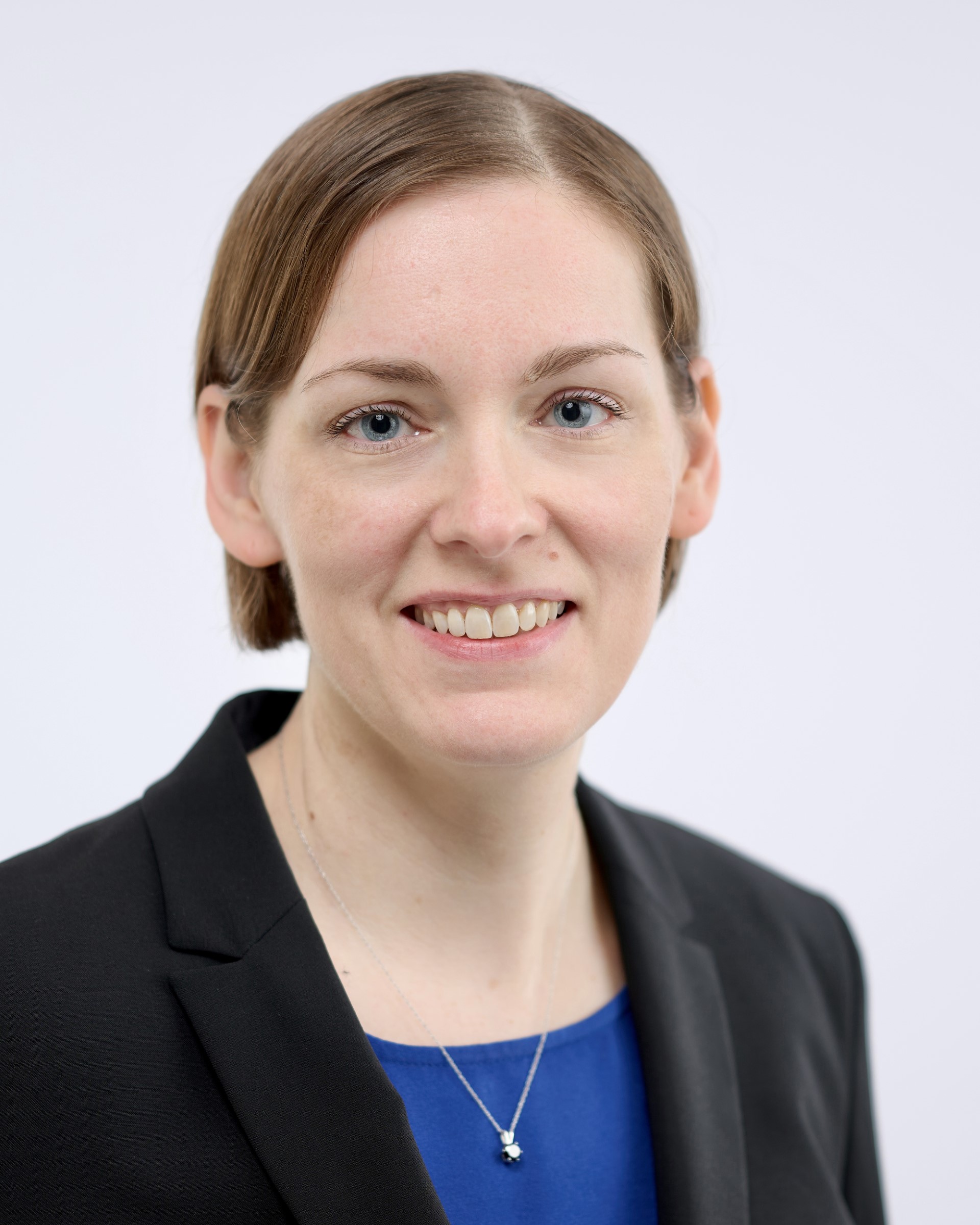
Faculty Advisor, Women’s Health Multidisciplinary Consortium
About

As a laboratory-based researcher, my experience and expertise are in translational tissue-based biomarker studies, molecular mechanisms of carcinogenesis, rodent models of cancer, and pharmacology. I have extensive experience in the characterization of molecular changes leading to development of endometrial cancer and biomarkers associated with treatment response and tumorigenesis in clinical studies. My program is centered in building bridges between laboratory-based research and unmet clinical needs, working in partnership with clinical colleagues.
Education/Fellowships
- BS in Chemistry, Purdue University
- PhD in Pharmacology and Molecular Sciences, Johns Hopkins School of Medicine
- Postdoctoral Fellowship, Cancer Prevention Research Training Program, Gynecologic Oncology, University of Texas MD Anderson Cancer Center
Expertise
In parallel with human tissue-based studies, our team uses preclinical tools (rodent models, organoids, and novel cell lines) to understand mechanisms of endometrial cancer development.
Fun fact: I collaborate with a multidisciplinary team to develop and evaluate approaches to improve mentoring environments, so that faculty can implement data-driven approaches to improve research training.
Research Interests
- Endometrial cancer
- Obesity-related cancer development
- Hereditary cancers (Lynch syndrome)
- Environmental exposures in cancer risk
The Yates lab is focused on cancers that form in the lining of the uterus (endometrium). In contrast to almost all other cancer types, endometrial cancer incidence and mortality continue to increase at an alarming rate. To change these trends, our research has a particular emphasis on cancer interception (prevention). The Yates lab is interested in the earliest molecular changes that occur in the endometrium during cancer development related to obesity and hereditary DNA mismatch repair defects. Our overall goal is to use these tools to define mechanisms related to environmental factors (obesity, hormones, and exposures linked with social determinants of health) that influence endometrial cancer development and disparities. Our research ultimately aims to use pharmacologic agents to prevent, block, or reverse endometrial cancer development and improve outcomes for women.
Awards and Honors
President’s Faculty Excellence Award in Cancer Prevention or Outreach, MD Anderson Cancer Center, 2022
Faculty Recognition Award, University of Texas, MD Anderson, UTHealth Graduate School of Biomedical Sciences, 2022
Faculty Educator of the Quarter, University of Texas, MD Anderson Cancer Center, 2020
Faculty Recognition Award, University of Texas, MD Anderson, UTHealth Graduate School of Biomedical Sciences, 2019
Current funding:
U54 CA302426 (NIH/NCI) 09/04/2025 – 7/31/2030
“Obesity-related metabolic reprogramming in endometrial cancer disparities”
Role: Principal investigator (Project 3)