A new three‑year evaluation led by the UNC Chatham Hospital Maternity Care Center (MCC) team shows that reopening a rural Level I maternity unit can provide safe, high‑quality birth outcomes, significantly reduce travel burdens for families, and offer a strong family physician and midwife‑led model for rural maternity care. Patient interviews also revealed high satisfaction with respectful, community‑centered care closer to home, underscoring the importance of resource‑appropriate maternity services in underserved regions.
These findings are detailed in the team’s open‑access article, Bridging the Gap: A Mixed-Methods Evaluation of a New Rural Maternity Care Center Amid Nationwide Closures, published in the International Journal of Environmental Research and Public Health. The study’s authors include Kathryn Wouk, PhD; Ellen Chetwynd, PhD, MPH, BSN; Emily C. Sheffield, MPH; Marni Gwyther Holder, MSN, RN, FNP-BC; Kelly Holder, DO; Isabella C. A. Higgins, PhD; Moriah Barker, MD; Tim Smith, MPA; Breanna van Heerden, MPH; Dana Iglesias, MD, MPH; Andrea Dotson, MD, FAAFP, IBCLC, MSPH; and Margaret Helton, MD.
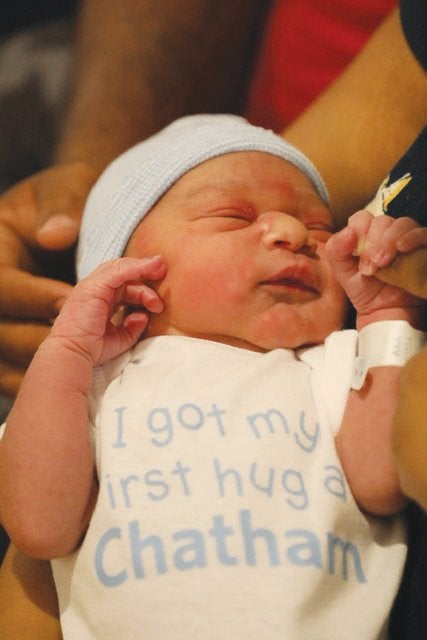
Led by Dr. Wouk, the writing team used a mixed-methods analysis combining birth outcome data with patient interviews. Their work positions UNC Family Medicine as a national thought‑leader in opening and sustaining rural maternity services during a period of widespread obstetric unit closures across the United States.
A Critical Look at Rural Maternity Care Access
To assess impact, the team compared MCC outcomes with a curated dataset of low‑risk births from UNC Main’s Labor and Delivery Unit for Chatham County residents in the three years prior to the MCC opening. This comparative dataset allowed the evaluation team, co-led by Martha Carlough, MD, MPH, and Dr. Chetwynd, to measure safety, quality, and patient experience during MCC’s start‑up years.
The findings are encouraging and underscore the importance of resource‑appropriate maternity services for rural communities.
Key Findings
Safe and Comparable Outcomes
The study shows that reopening a Level I rural maternity care center can maintain safe, high-quality labor and delivery outcomes comparable to a large academic medical center, demonstrating the value of family physicians and midwives as a collaborative care team.
Reduced Travel Burden
Patients who previously traveled long distances for delivery experienced a 50% reduction in travel time once the MCC opened, improving access to timely and equitable perinatal care.
Model for Rural Maternity Services
The study highlights a resource‑appropriate maternity care unit of family physicians and midwives as a model for delivering quality rural maternity services nationally in underserved regions.
High Patient Satisfaction
Through interviews, patients reported high satisfaction with their care at the MCC and emphasized respectful communication, supportive decision‑making, and the importance of receiving care close to home.
These findings highlight how resource-appropriate rural maternity services can strengthen patient agency, trust, and positive birth experiences.
Impact on Rural Health Systems
UNC Family Medicine faculty lead and staff the maternity services at UNC Chatham Hospital. Since opening in 2020, the Maternity Care Center has delivered more than 850 babies using a family‑physician‑led model, offering a vital solution in regions where OB‑GYN services are limited or unavailable. With 20 North Carolina counties lacking maternity care, this work plays a critical role in improving health outcomes for mothers and babies across the state.
As rural hospitals across the country continue to close obstetric units, this study offers an evidence-based model for reopening and sustaining maternity services in underserved regions. The MCC evaluation contributes significantly to the national conversation on rural health equity and underscores the collective work of Chatham Hospital, UNC Family Medicine, and partners across the UNC Health system.
The study arrives at a critical time and highlights the power of collaborative, community-centered care in meeting the needs of rural families.
Read the article: https://doi.org/10.3390/ijerph23010102