




After being named a Dartmouth Research site last fall, the Center is launching an evidence-based supported employment program to assist individuals with serious mental illness to find and maintain a job. The Center is one of four North Carolina grant recipients selected to participate in North Carolina’s Individual Placement and Support (IPS) supported employment initiative.
Individuals with the most severe mental illness have high unemployment rates, up to 85 percent. Having a job is a major step toward recovery, according to the Dartmouth IPS philosophy and research. Employed patients have a better quality of life with increased self-esteem and reduced symptoms.
The new program, which currently serves individuals in Orange and Chatham counties, is designed to accelerate patients to employment. The IPS model provides individualized employment assistance for patients who are seeking employment and at any stage of their recovery.
Traditional pre-employment assessment and training are by-passed. With assistance from IPS-trained employment specialists, patients decide what type of work they want to do. Employment specialists make the employee-employer connection and provide additional support to help individuals with employment issues as they continue working.
The program will serve individuals who are 16 years-of age and older with an Axis I mental health diagnosis (SPMI).
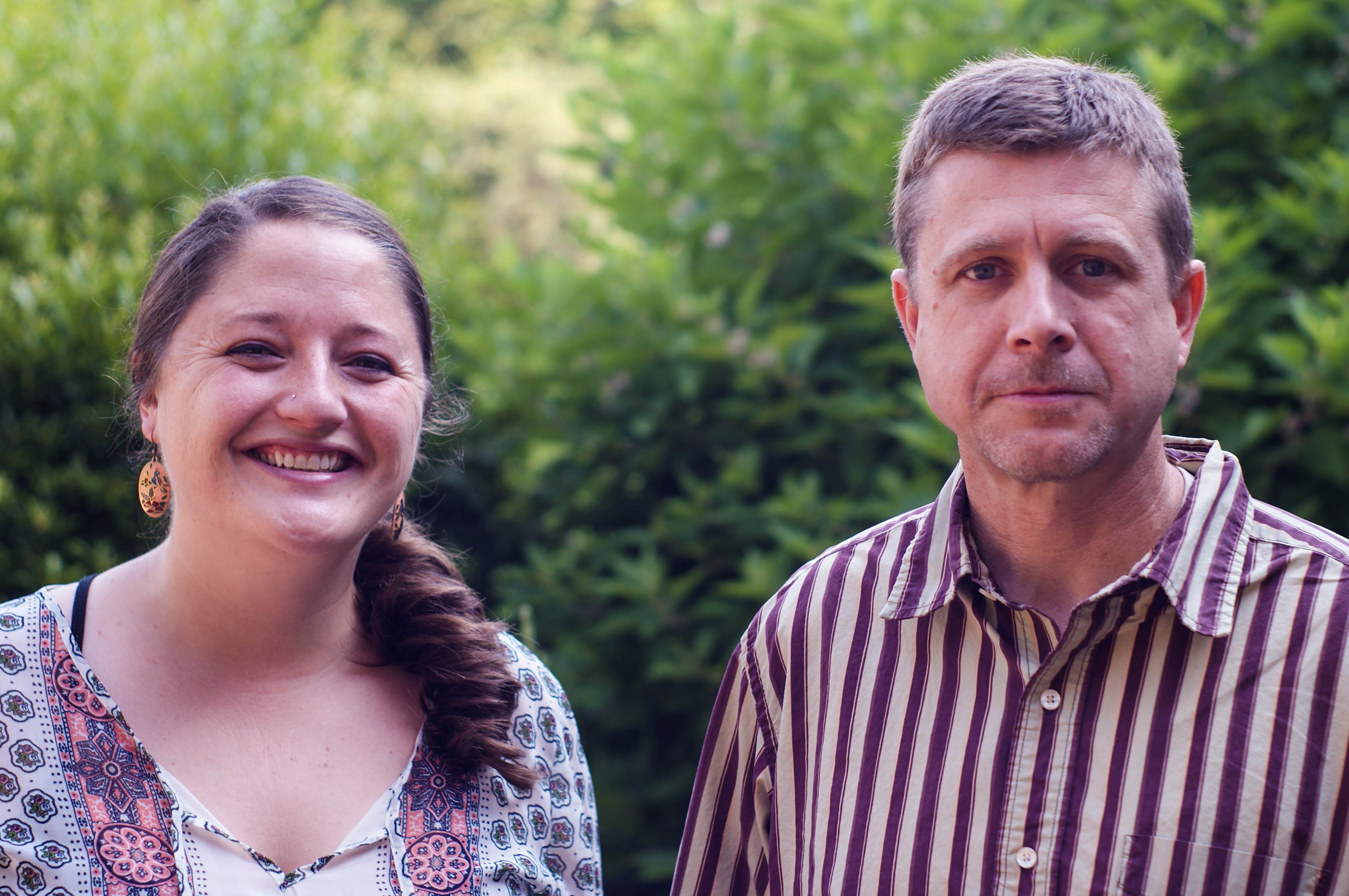
“We will have a zero exclusion policy, so someone needs to meet the criteria and have a stated desire to work,” says Matthew Diehl, MSW, supported employment supervisor at the Center and a former counselor with the North Carolina Division of Vocational Rehabilitation. “The IPS Supported Employment model seeks to work toward rapid job search, so ideally within 30 days of our initial meeting; we will have had at least one face-to-face with the consumer (patient) and a potential employer.”
During this four-year initiative the Center will collaborate with the North Carolina Divisions of Mental Health and Developmental Disabilities and Substance Abuse Services and Vocational Rehabilitation, as well as Cardinal Innovations Healthcare Solutions and three other grant recipients, Monarch North Carolina in Lumberton, Meridian Behavioral Health in Sylva, and Easter Seals UCP in Raleigh. Data outcomes for all sites are part of Dartmouth’s Research Center.
Ariel Reynolds, MSW, a recent graduate of the UNC School of Social Work, has joined the program as an employment specialist.