In The News
 PubMed: Microbiome
- An error has occurred, which probably means the feed is down. Try again later.
-

A Conversation with Shyamal Peddada on Microbiome Data Analysis Methods
Differential abundance analysis remains one of the most widely used—and debated—approaches in microbiome research. Despite the large number of available methods, selecting the most appropriate analytical strategy remains a challenge, and conclusions can vary substantially depending on the approach used. Join us on June 26 at 2:00 PM in Room 1131, Bioinformatics Building, for a … Read more
-

β(1–4) GOS and Gut Health: Enhancing Intestinal Integrity
Yunan Hu, a PhD candidate in Dr. Azcarate-Peril’s laboratory, has recently published a manuscript in Food Bioscience demonstrating that the prebiotics β(1–4) GOS and humanized β(1–4) GOS strengthen intestinal barrier function. Using human primary colonic monolayers, the study shows that both compounds upregulate MUC2 and key tight-junction genes, thereby enhancing epithelial integrity. These findings were … Read more
-

Perspective: Has the two decades of research on the gut microbiome resulted in making healthier choices?
The gut microbiome is widely recognized for its significant contribution to maintaining human health across all life stages, from infancy to adulthood and beyond. This perspective article focuses on the impacts of well-supported microbiome research on global caesarean delivery rates, breastfeeding practices, and antimicrobial use. The article also explores the impact of dietary choices, particularly … Read more
-
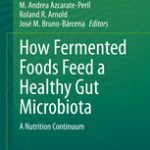
How Fermented Foods Feed a Healthy Gut Microbiota
A Nutrition Continuum Editors: Azcarate-Peril, M. Andrea, Arnold, Roland R., Bruno-Bárcena, José M. (Eds.) Compares traditional forms of food preparation with current industrial techniques in terms of the potential loss of microbial diversity associated with industrialization.
Meet the Director
Dr. M. Andrea Azcarate-Peril

Director
M. Andrea Azcarate-Peril, PhD is Professor of Medicine at the University of North Carolina at Chapel Hill and Director of the UNC Microbiome Core. She leads interdisciplinary efforts to advance microbiome research by providing investigators with expertise in study design, high-throughput sequencing, and integrative analysis of microbial communities across diverse clinical and experimental systems.
Dr. Azcarate-Peril’s research focuses on how prebiotics, probiotics, and rationally designed microbial consortia modulate host-associated microbiota and influence intestinal physiology and barrier function. Her work integrates molecular biology, functional genomics, and next-generation sequencing to elucidate mechanisms by which the gut microbiome shapes human health and disease.
With a background spanning microbial physiology and probiotic functional genomics, she has extensive experience translating microbiome science into clinically and nutritionally relevant applications.
The North Carolina Microbiome Consortium
Mission and Goals
The North Carolina Microbiome Consortium provides the opportunity for interested and committed participants in academia, industry and the public to seek and share knowledge concerning the science of the microbiome. It seeks to foster interdisciplinary connections among scientists in diverse fields who share a common interest in microbial communities and with those who develop the tools needed to study and understand these communities. By coming together in this common pursuit of knowledge and the exchange of ideas, participants acknowledge the depth of local expertise; seek to establish North Carolina as a recognized leader in microbiome research and innovation, and aim to create greater opportunities for microbiome research and related industries in the state.
Research
Beneficial Modulators of the Gut Microbiota
The overall goal of my research is to investigate the impact and mechanisms involved in the beneficial modulation of the gut microbiota by prebiotics (functional foods that stimulate growth of gut native beneficial bacteria) and probiotics (live bacteria that benefit their host). I specifically aim to develop prebiotic and probiotic interventions as alternatives to traditional treatments for microbiota-health related conditions, and to advance microbiota-based health surveillance methods.
| Aljumaah MR, Bhatia U, Roach J, Gunstad J, Azcarate Peril MA. The microbiome, mild cognitive impairment, and probiotics: A randomized clinical trial in middle-aged and older adults. Clin Nutr. 2022 Nov;41(11):2565-2576. doi: 10.1016/j.clnu.2022.09.012. Epub 2022 Sep 28. PMID: 36228569. | |
| Arnold JW, Roach J, Fabela S, Moorfield E, Ding S, Blue E, Dagher S, Magness S, Tamayo R, Bruno-Barcena JM, Azcarate-Peril MA. The pleiotropic effects of prebiotic galacto-oligosaccharides on the aging gut. Microbiome. 2021 Jan 28;9(1):31. doi: 10.1186/s40168-020-00980-0. Erratum in: Microbiome. 2021 Feb 26;9(1):56. PMID: 33509277; PMCID: PMC7845053. | |
| Arnold JW, Whittington HD, Dagher SF, Roach J, Azcarate-Peril MA, Bruno-Barcena JM. Safety and Modulatory Effects of Humanized Galacto-Oligosaccharides on the Gut Microbiome. Front Nutr. 2021 Apr 7;8:640100. doi:10.3389/fnut.2021.640100. PMID: 33898497; PMCID: PMC8058378. |