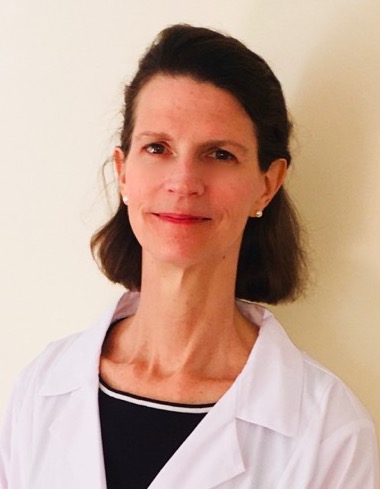
Meet Louise King, MD, an Assistant Professor of Medicine and the Medical Director of UNC Internal Medicine Clinic at Eastowne!
Tell us a little about how got interested in education and your background (including any formal training)?
I have been in medicine a while and it didn’t take long for me to realize that medicine=education. Even if we are not involved in formal education activities, we are always educating: patients, nurses, nurse assistants, and our colleagues. On the flip side, as physicians, we are always learning!
What is your role in undergraduate medical education?
I teach 3rd year medical students in their CBPC rotation, at the Eastowne Internal Medicine Clinic. I love doing this, because the students learn about primary care principles, and they also get to see my relationships with my patients.
Tell us about a student/educational experience that left a strong impression on you?
My husband (also a physician) and I lived in Rwanda for 16 years and a significant portion of that was involved in formal medical education, of Rwandan medical students and residents. Like many things in Rwanda, medical education is a scarce resource. I appreciated how much the Rwandan medical students learned, with fewer resources. I also felt like I was making a big difference in their medical careers, which was gratifying. It also made me realize what a wealth of resources we have for educating at UNC SOM-we are so fortunate.
What advice would you give to a 1st year medical student? 4th year student?
Well, this is something I have thought about, as I have had 2 daughters go through medical school. For a first year medical student, I would say that a lot of medical school is learning how to learn, though it may not feel that way all the time. In medical school, you are just skimming the surface, and for things that end up being important to your career, you will have a chance to relearn them and go deeper in the future. For a 4th year student: it may feel like you are determining your future when you choose a specialty, and in a way you are, but no matter what specialty you choose, two things are true: 1. You will shape and form your specialty to fit your personality and values. 2. It will likely change during your career, and you will have a chance to choose different paths along the way.