A Message From the Chief
Thank you for visiting our website where you will learn about our patient care, research, and training programs, as well as find general information about faculty and our division. We specialize in diagnosing and treating people with acute and chronic diseases of the lung and respiratory system, and we are proud to serve you.
While you are visiting our website, please look over the services we provide in our various specialty clinics and in the UNC Medical Center. If you have a respiratory illness and would like to consult with one of our physicians, our faculty page will help you and your caregiver choose the right clinician for you. Referring physicians will also find simple instructions for how to have your patients seen at UNC.
Established in 1965, our Division has grown considerably to become a valuable referral center for providers and patients across North Carolina and the southeast United States. We offer subspecialty consultation on COPD, Asthma, Interstitial Lung Diseases and Pulmonary Fibrosis, Pulmonary Hypertension, and Cystic Fibrosis and non-Cystic Fibrosis Bronchiectasis, and geriatric pulmonary diseases. Our clinicians collaborate closely with other Divisions in the Department of Medicine that are important to some of these disease processes including Cardiology, Rheumatology, Nephrology, Hematology, and Infectious Diseases. We also offer a robust and responsive Section of Interventional Pulmonary and Pulmonary Oncology for diagnosis of lung nodules and management of pleural diseases. We also see general pulmonary referrals at clinics in UNC Eastowne, Panther Creek, and Pittsboro.
Our clinicians direct care in a large and dedicated Medical Intensive Unit at UNC Medical Center for patients with acute organ failure relating to acute medical and infectious diseases. We provide inpatient pulmonary consultation at the Medical Center and Hillsborough hospital, and we have a dedicated lung transplantation program.
Our research mission is dedicated to diseases of the airway, acute injury and infections in the lung, and diagnostic approaches to lung malignancies. Part of the large and diverse Marsico Lung Institute, we have experience and world leaders in multiple areas including COPD, Cystic Fibrosis, non-tuberculous Mycobacterial infections, immune responses to viral and bacterial lung infections, emerging pathogens, and outcomes of critical illness. We sponsor clinical trial opportunities for patients referred to our specialty clinics and our ICUs, and we are also dedicated to population health in important lung diseases.

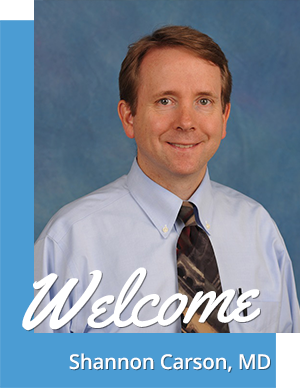
Shannon Carson, MD
Chief, Division of Pulmonary and Critical Care Medicine