Training
Why Choose UNC for Pulmonary Fellowship?
UNC is among the nation’s top schools of medicine and public health. Here, fellows train in a uniquely collegial atmosphere and learn from faculty members widely recognized for outstanding clinical care, research, teaching, and leadership. Additionally, Chapel Hill is ranked one of the nation’s top places to live and raise kids. Upon graduation, our fellows are well-equipped for successful careers in academia, clinical practice, and industry.
Pulmonary Diseases & Critical Care Medicine Fellowship
At the end of a three-year fellowship, trainees will be board eligible for certification in pulmonary and critical care medicine, and well-prepared to establish careers in academic medicine or clinical practice. In addition, all clinical fellows have the option of staying for a fourth year if interested in participating in the training grant and setting a foundation of research and/or academics.
Interventional Pulmonary Fellowship Program
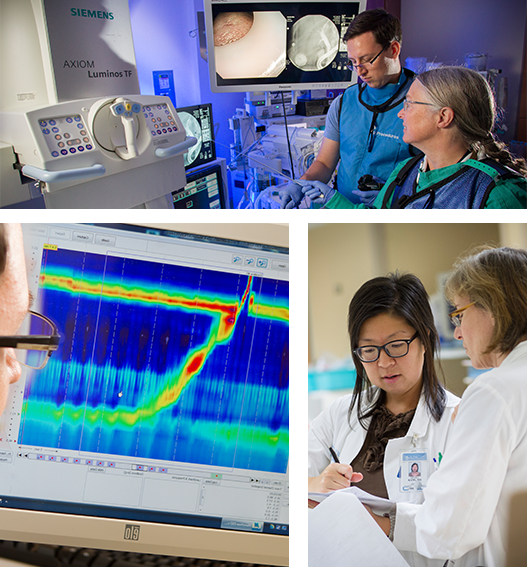
Trainees in our fellowship program will gain experience and become proficient in the performance of advanced diagnostic and therapeutic bronchoscopic, pleural procedures and percutaneous tracheostomy tube placement.