November 14, 2017

Lorenzo Lab research published in PNAS

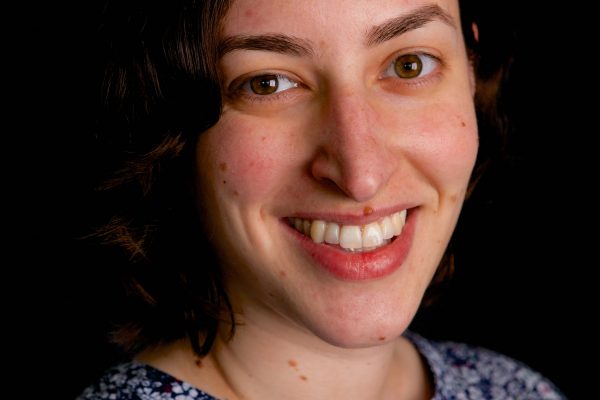
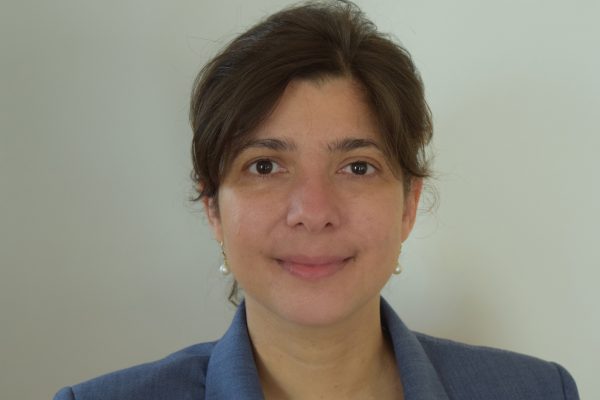
An article by Dr. Damaris Lorenzo in collaboration with her postdoctoral advisor Dr. Vann Bennett at Duke University titled “Cell-autonomous adiposity through increased cell surface GLUT4 due to ankyrin-B deficiency” was published this week ahead of print in PNAS. In this study, Dr. Lorenzo shows that mice lacking the cytoskeleton-associated protein ankyrin-B only in adipose tissue become obese despite having normal appetite and physical activity levels. Using cellular essays, the study also shows that novel human mutations in the ankyrin-B gene also leads to cell-autonomous adiposity.
October 27, 2017

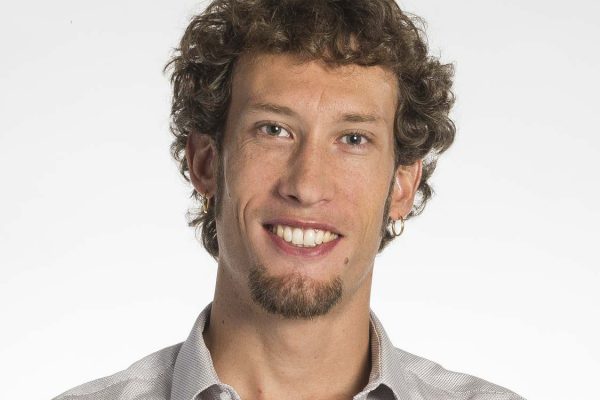
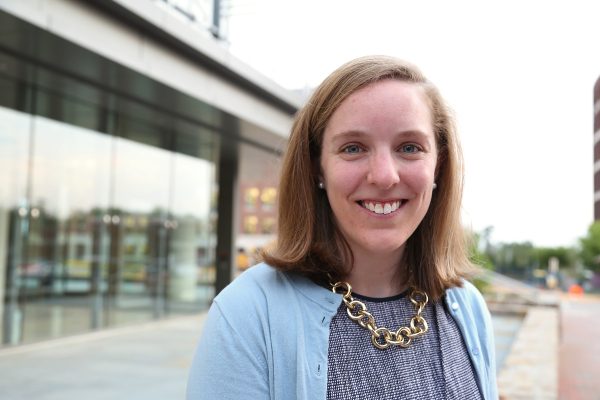
Welcome our newest CBP Assistant Professor, Dr. Sarah Cohen!

Dr. Cohen has developed state-of-the-art, super-resolution spectral imaging technologies to simultaneously label and track the position of 6 different cellular organelles in real time. In doing so, she has characterized a new cell organelle called a lipid droplet. In her future work, she hopes to use these techniques to address how lipid droplets from glia and astrocytes can be used to transfer lipids to neurons. This is an important question because neurons cannot synthesize their own lipids, but yet are dependent on huge amounts of lipids to extend lengthy neuronal processes and regulate membrane turnover at synaptic terminals.

Graham Diering

October 27, 2017

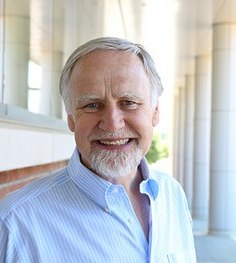
A warm welcome to our new CBP Faculty, Dr. Graham Diering!

Dr. Diering is a neurobiologist and biochemist focused on understanding the different mechanisms that neurons use to sleep. In one process, neurons change their synapses to accommodate the formation of memories. In another simultaneous process, synaptic plasticity supports the conservation of neuronal metabolism and “recharging”—which is critically important for cognition and behavior. Graham uses sophisticated biochemistry and genetic animal model behavior studies to map the neuronal circuits and molecular pathways that underlie these different types of sleep. His work has very important implications for sleep disorders, and particularly those related to neurodevelopmental disorders with aberrant sleep, such as Rhett syndrome and Autism spectrum disorders.

October 25, 2017

Caron Lab research featured on the cover of Biology of Reproduction

An article from the lab of Dr. Kathleen Caron titled “Adrenomedullin improves fertility and promotes pinopodes and cell junctions in the peri-implantation endometrium” is featured on the cover of the September 2017 issue of Biology of Reproduction. The cover image, “Pinopode Eclipse,” depicts pinopodes, or uterodomes, which are plasma extravasations of uterine luminal epithelial cells present during the window of implantation in rodents and humans and are thought to enable blastocyst attachment and invasion. Image courtesy of Brooke Matson and Kelsey Quinn.

October 11, 2017

Keith Burridge selected as ASCB Fellow

Congratulations to Dr. Keith Burridge for being selected as a 2017 American Society for Cell Biology Fellow! The ASCB Fellows award recognizes ASCB members who have made outstanding contributions to the field of cell biology and to the community of cell biologists through their service to ASCB. This is an honor bestowed upon Dr. Burridge by his peers in recognition of Keith’s life-time achievements and meritorious efforts to advance cell biology and its applications.