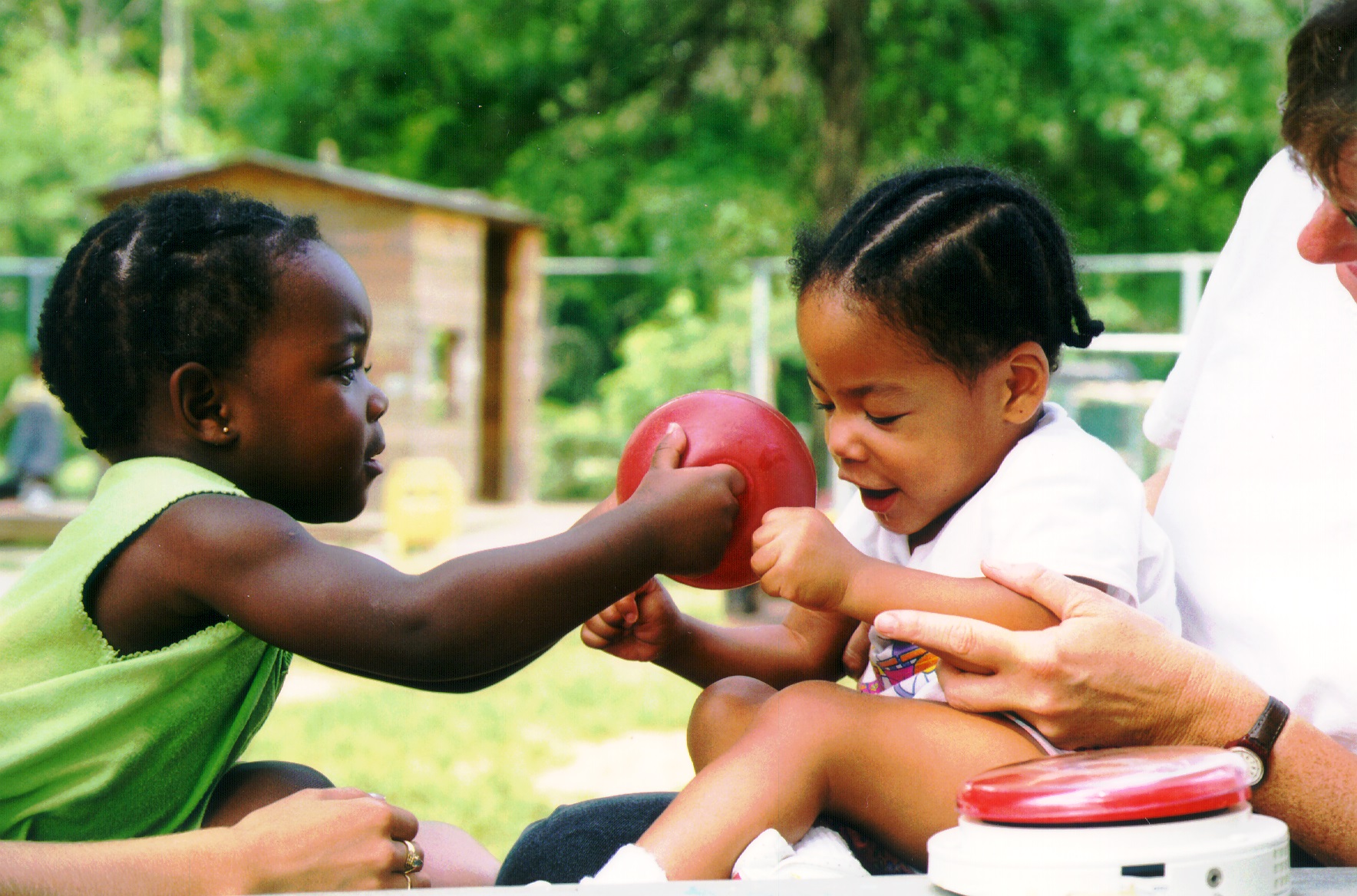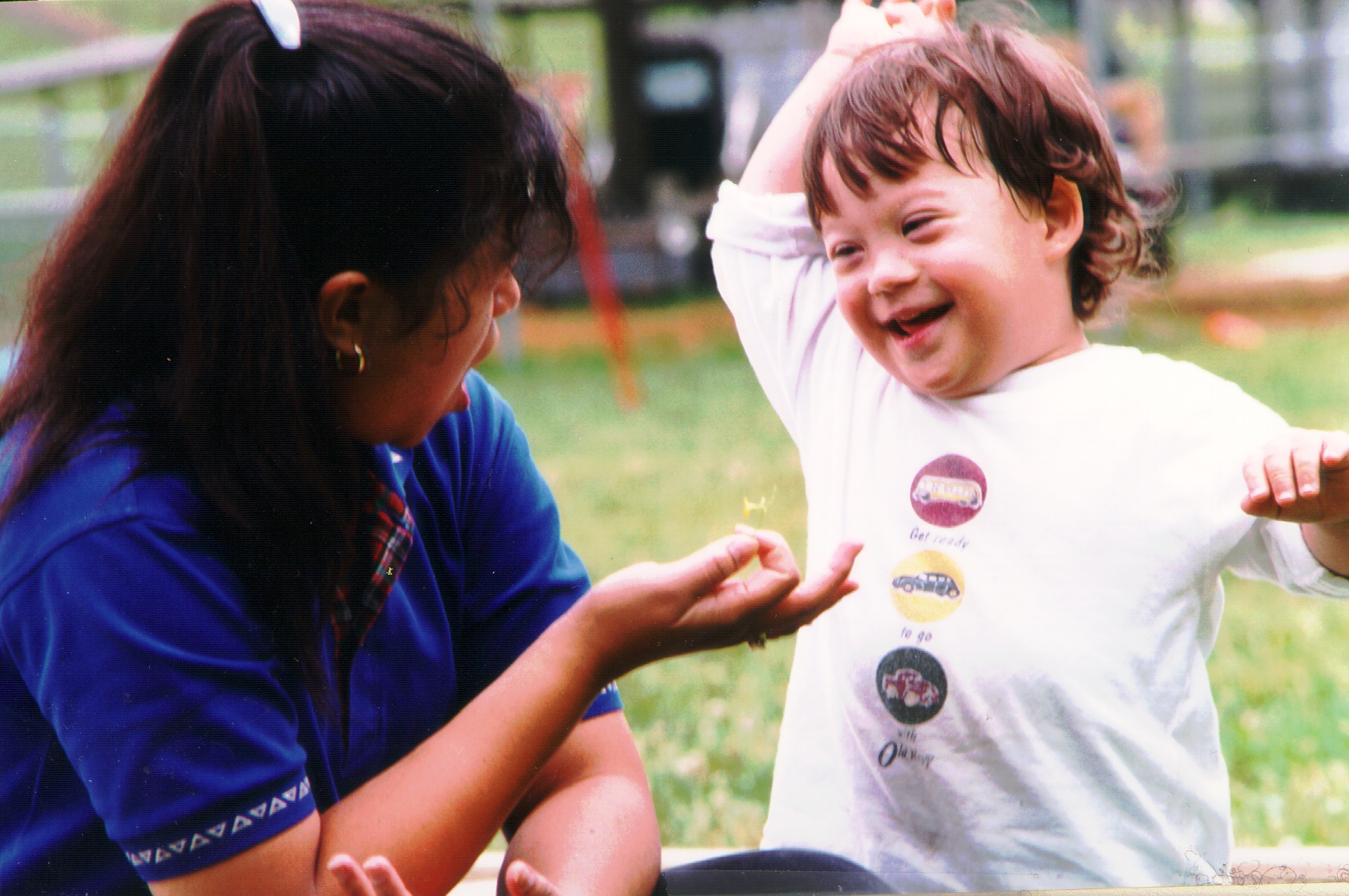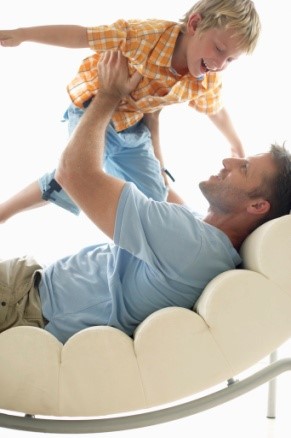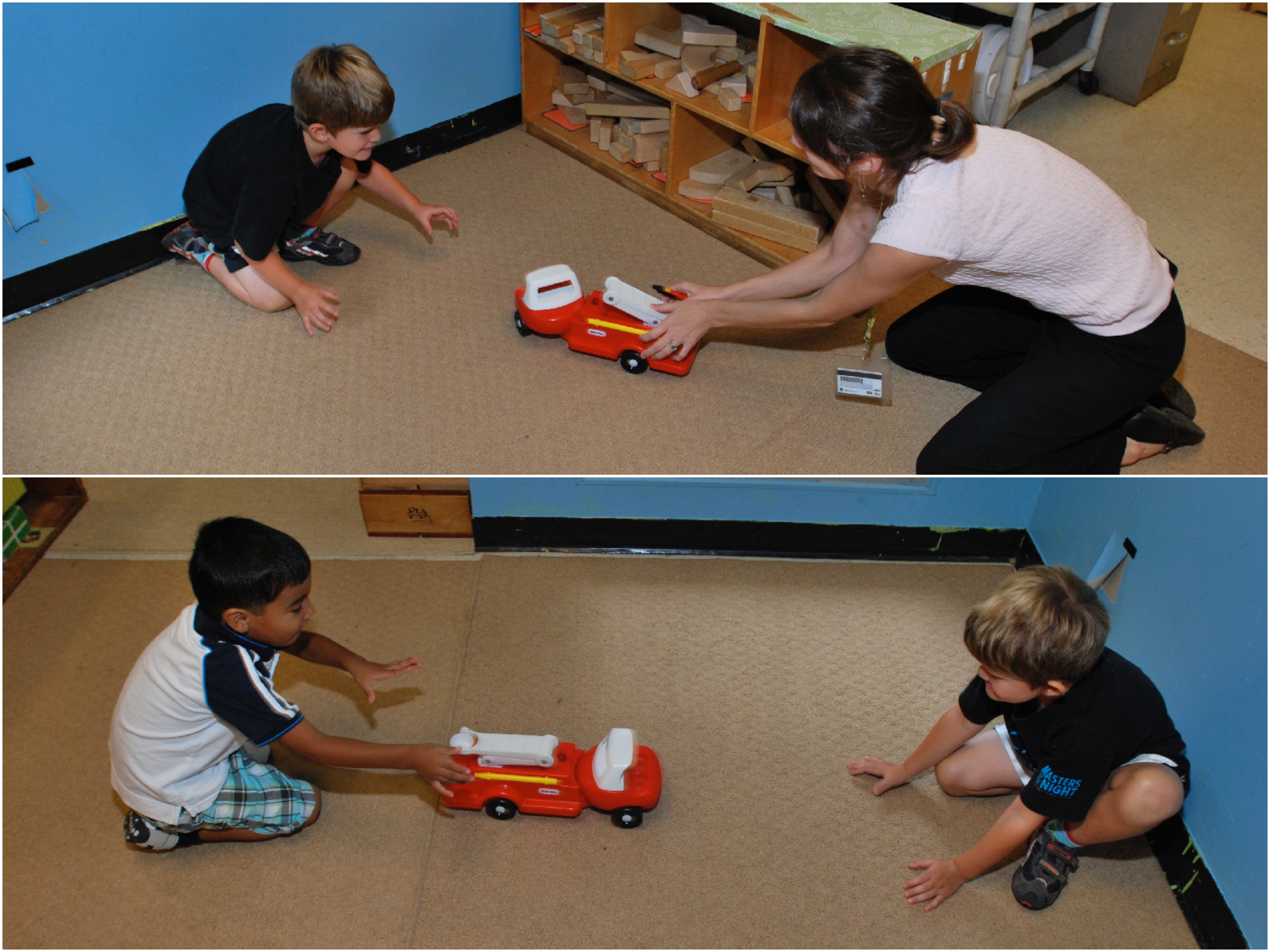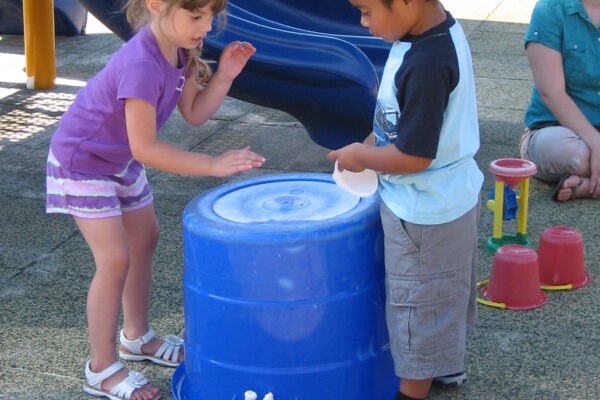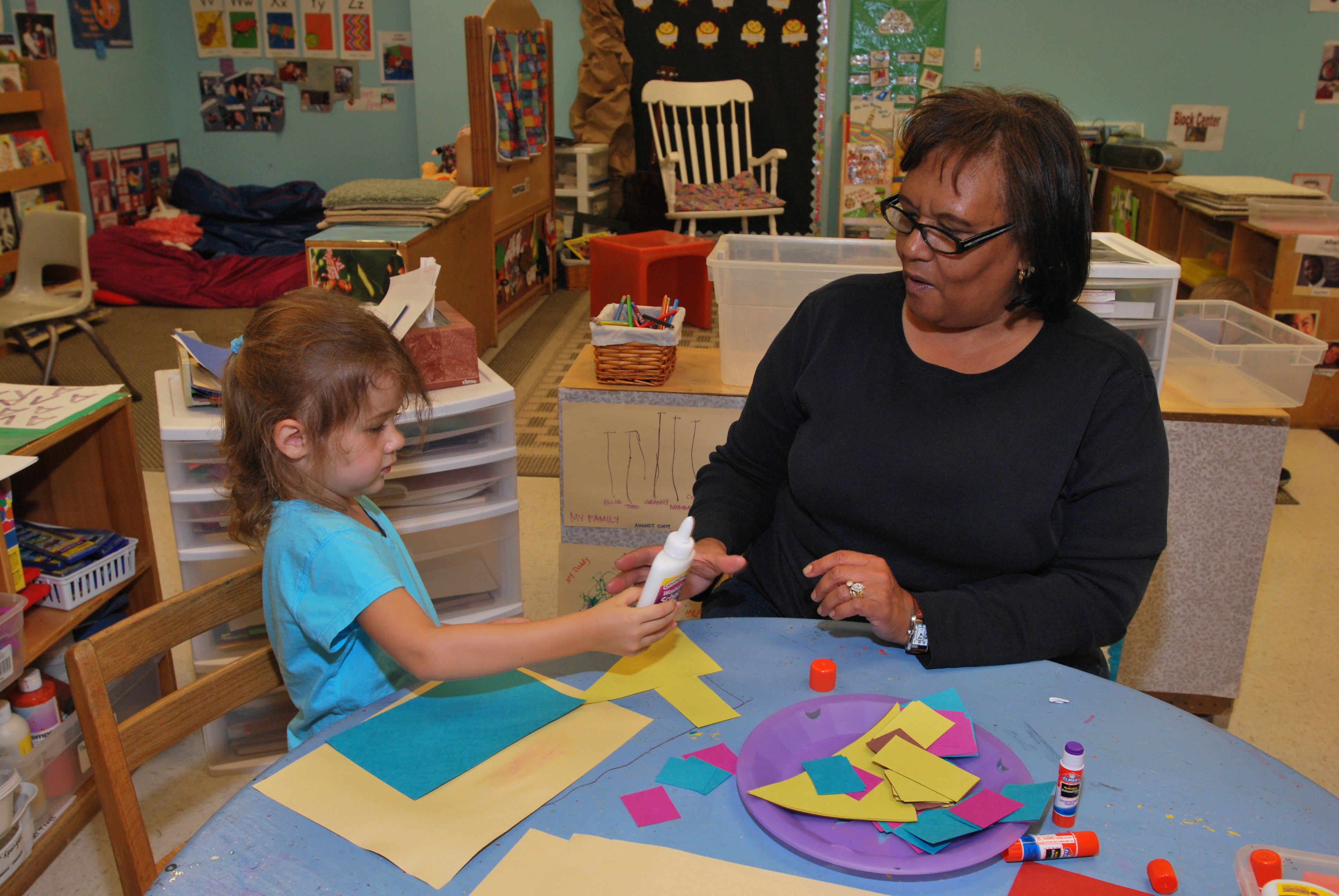
Illustration of Goal RQ1

September 14, 2021

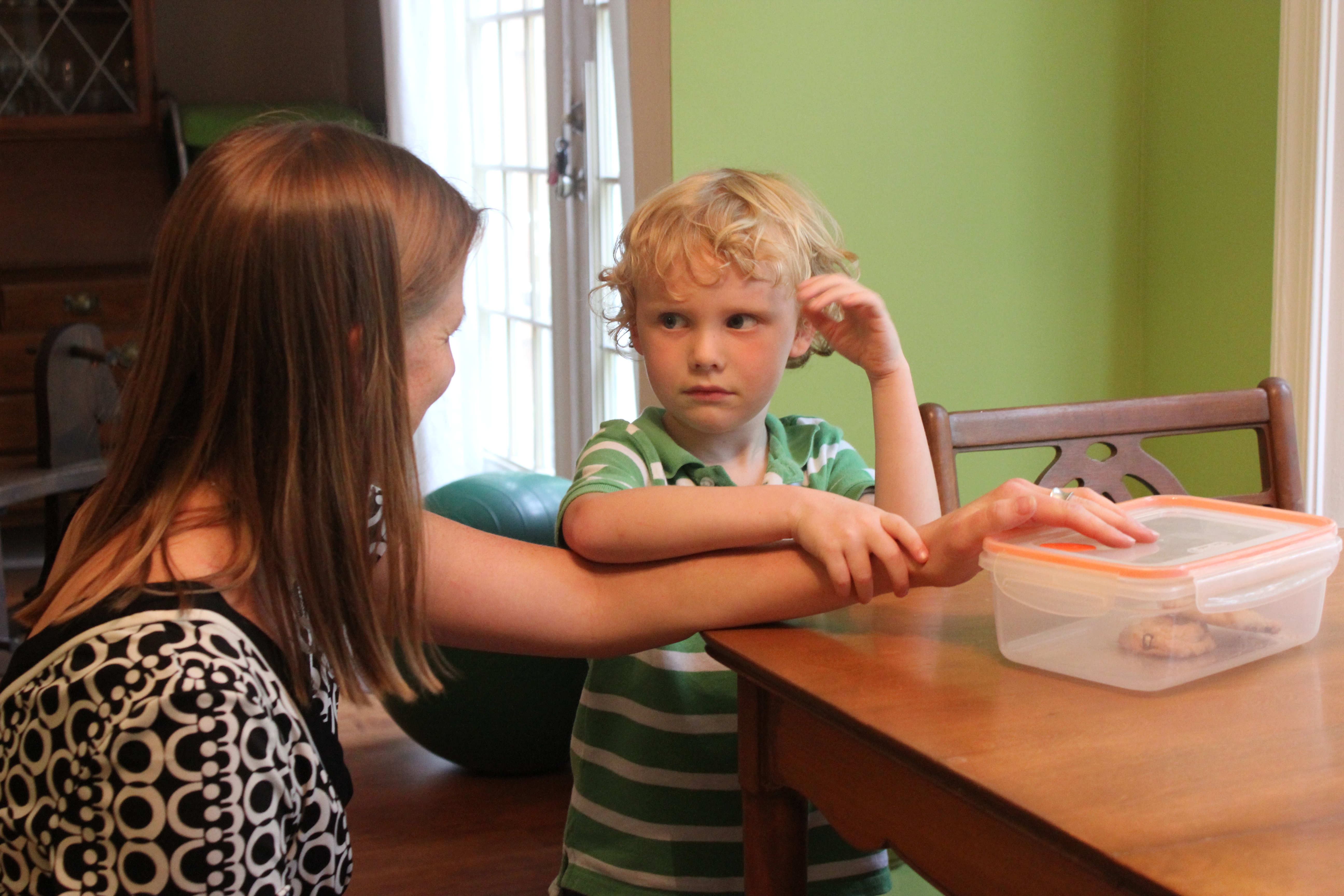
RQ1. Child reaches for out of reach object to show wanting the object.

This occurs when an object is far enough away that the child cannot touch it, and the child reaches towards the object. This is often an open hand reach, but could also be an action in which the child opens and close his/her hand repetitively. Reaching towards an out of reach object shows that the child wants the object and is beginning to understand that reaching will communicate to another person that s/he wants that object.

Illustration of goal S16

September 14, 2021

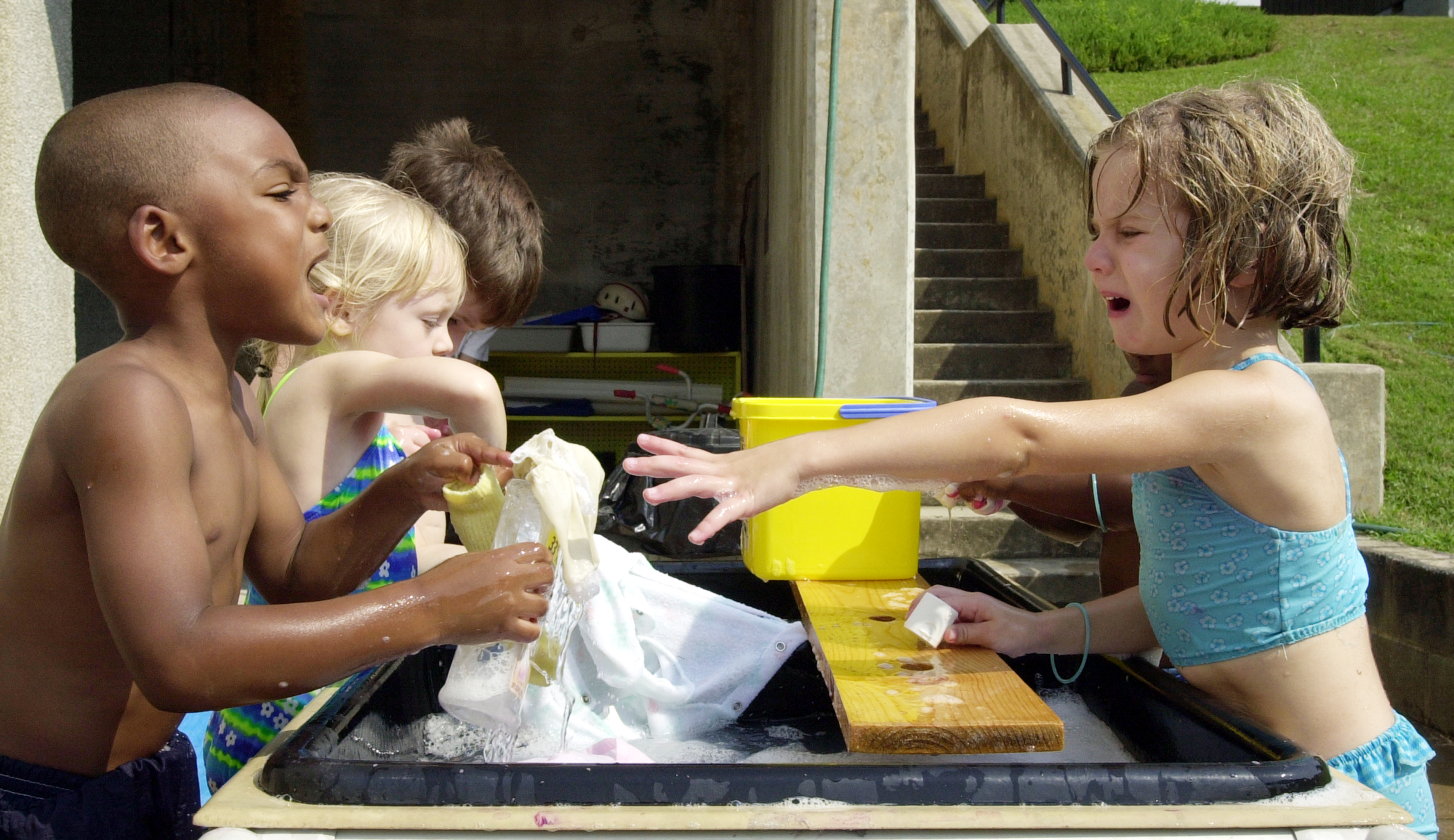
SI6. Child combines gesture and/or vocalization/verbalization with looking at person to show wanting game to continue.

This occurs when the child combines some type of gesture, such as pointing or reaching, and/or uses vocalizations while looking at that person to indicate that they want to continue a game or activity that has paused. This illustrates that the child is beginning to understand how to engage another person and that there is some shared enjoyment during a particular activity.

Illustration of Goal SI4

September 14, 2021

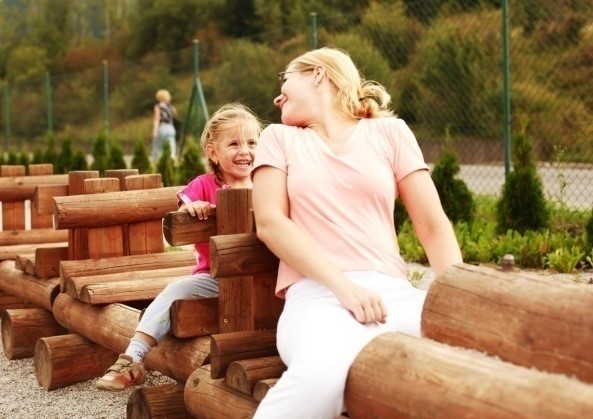
SI4. Child initiates familiar games or routines.

This occurs when a child uses some type of action to begin a preferred game or routine. The action could be a gesture, vocalization, verbalization, or an action that is utilized in that specific game or routine. Initiation of a familiar game or routine after at least 5 minutes shows that a child is beginning to develop preferred games and routines, recognizes the need for another person in those games or routines, and can recall the games or routines outside of the immediate context.

Illustration of Goal Si2

September 14, 2021

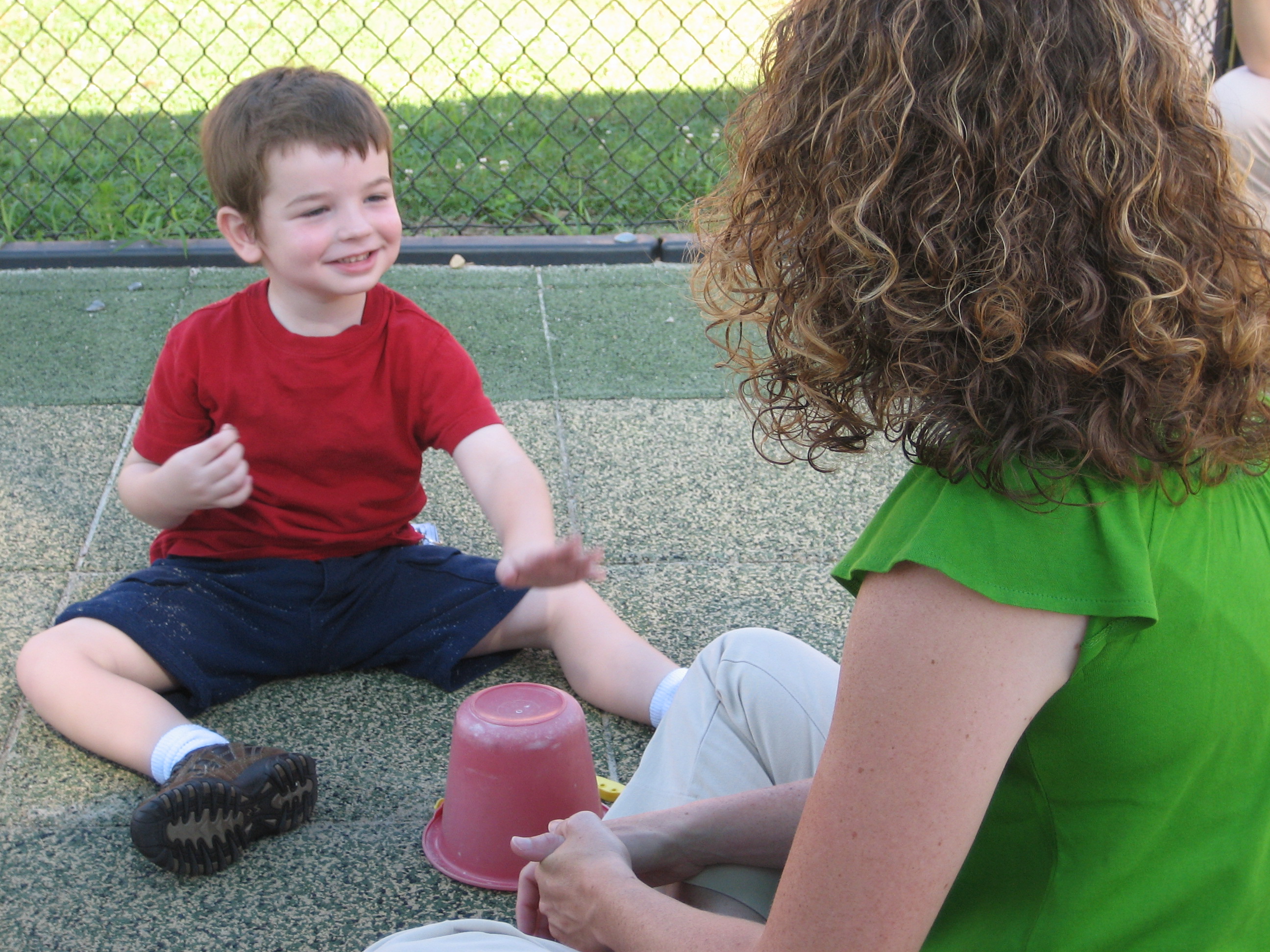
SI2. During face to face games, physical activities, or routines, after a brief pause child shows wanting the game to continue.

This occurs when the child is engaged in a game or routine with another person, and that person stops the activity. Then, the child uses some form of communication, potentially gestures, vocalizations, verbalizations or gaze, to indicate that they want more of the game or routine. A signal for continuation after a brief pause shows that the child is beginning to understand that his/her actions can influence the actions of another person.

Illustration of Goal SI1

September 14, 2021

SI1. During face to face games, physical activities, or routines, child watches the adult closely.

This occurs when the child is engaged in a game or routine with another person, and looks at the person in expectation of an even or action. A look of anticipation during a game or routine shows that the child is beginning to recognize that their communication partner is contributing to the routine in some way and the child is expecting something to occur or continue to occur.