A Bloomberg article recently featured a key study of the malaria drug hydroxychloroquine, for Covid-19 protection, that involved 821 health-care workers, first responders and people living with infected patients. The article reports “half were given hydroxychloroquine for five days, while the other half received a placebo pill that contained the vitamin folate…after two weeks, 12% of those taking hydroxychloroquine had developed an infection, compared with 14% given placebo, a difference the researchers said could have been due to chance.”
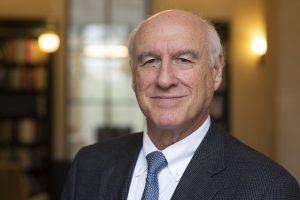
Myron Cohen, MD, said the advocacy for and widespread use of the drug seem to reflect a reasonable fear of the infection, the media and social forces appear to be driving clinical decisions rather than medical evidence.
The results “are more provocative than definitive, suggesting that the potential prevention benefits of hydroxychloroquine remain to be determined,” he said in the article.
Cohen is associate vice chancellor for global health and medical affairs, the Yeargan-Bate Distinguished Professor of Medicine, Microbiology and Immunology, and Epidemiology, and director of the Institute for Global Health & Infectious Diseases.
Read the article here.