DNA Library Preparation and Sequencing
Complete Genome Re-Sequencing
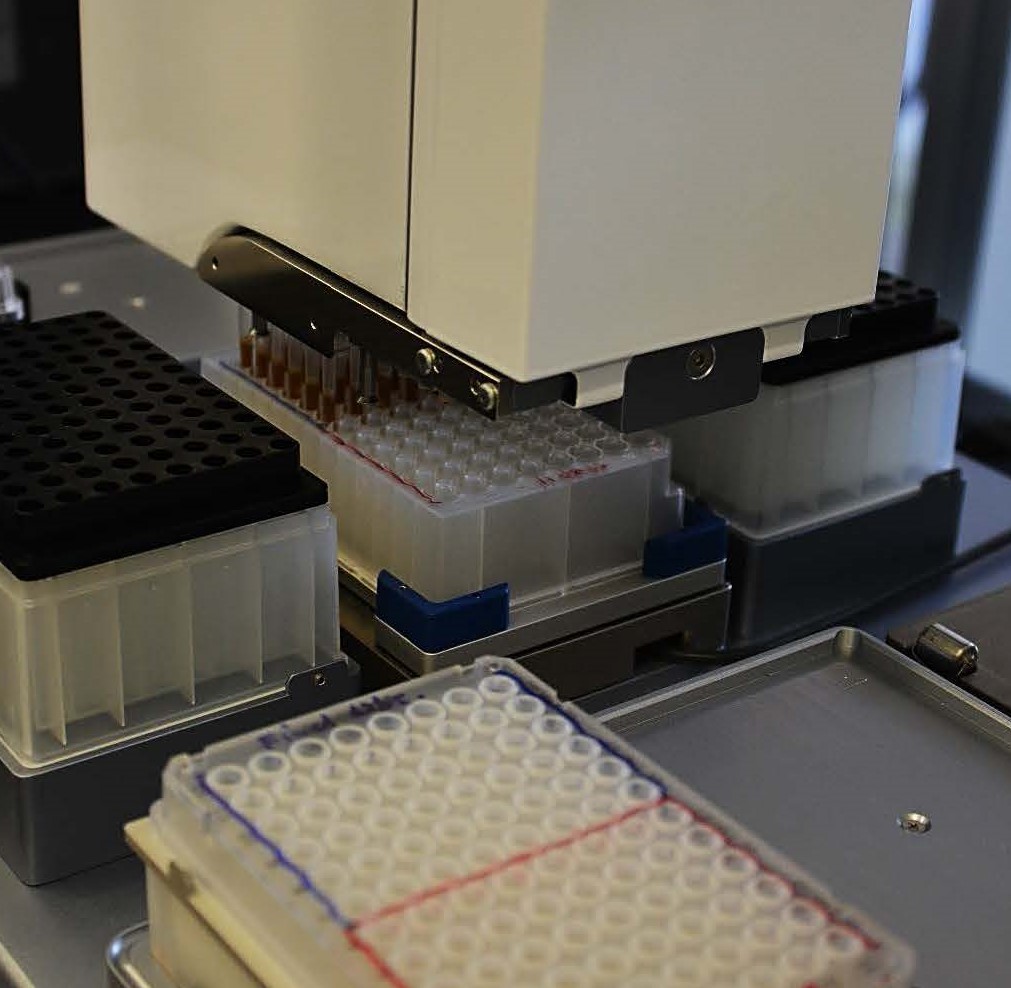 DNA sequencing may be used to determine the sequence of individual genes, larger genetic regions (i.e. clusters of genes or operons), full chromosomes or entire genomes, of any organism. We routinely perform comprehensive polymorphism and mutation discovery in individual genomes.
Library preparation recommendations include:
- Kapa Hyper DNA seq
- Celero, if requesting PCR free and submitting at least 2 micrograms of DNA
Sequencing platform and pooling recommendations can be found below:
| Services | Samples per Pool | Platform | Cycles |
| DNAseq Human Genomes | 24 | NovaSeq S4 | 2×150 |
If there are substantial gaps in the sequence assembly, other platforms such as Oxford NanoPore GridIon or Pacific Biosciences Sequel can frequently be used to create larger contiguous assemblies to supplement the deep coverage from Illumina sequence runs. More information on these platforms can be found under the Technologies tab, Long Read Technologies.
Low-Input Double Stranded DNA Products
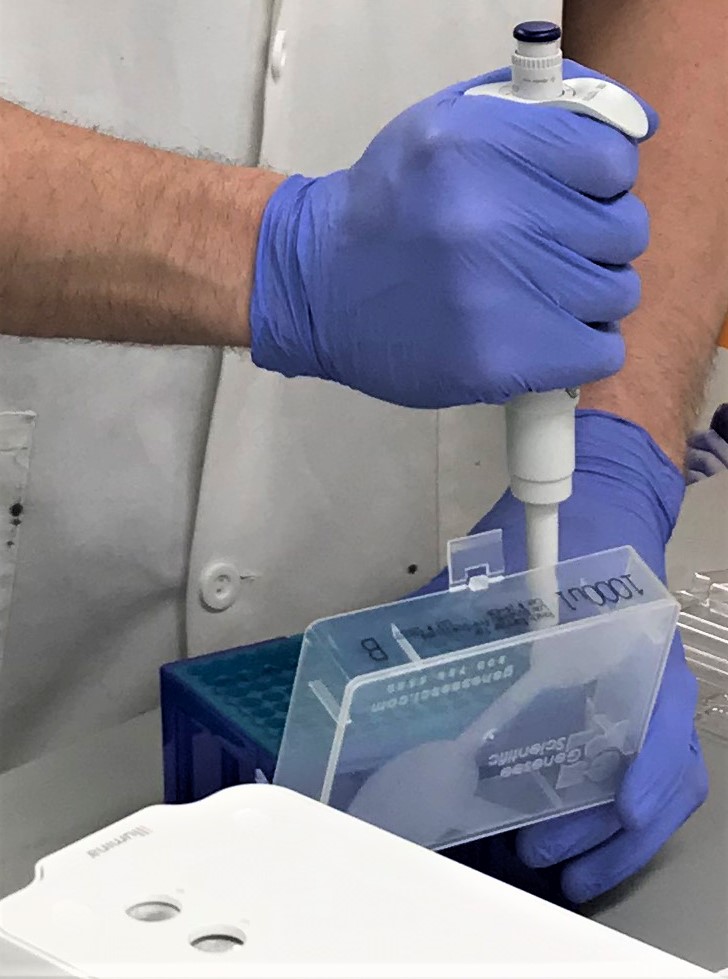 Services offered by the HTSF in this category include ChiP-seq, FAIRE-seq and DNA amplicon. ChiP-Seq and FAIRE-Seq are more commonly requested services. ChiP-Seq is a method used to analyze protein interactions with DNA. ChIP-seq combines chromatin immunoprecipitation (ChIP) with massively parallel DNA sequencing to identify the binding sites of DNA-associated proteins. FAIRE-seq is a method used for determining the sequences of those DNA regions in the genome associated with regulatory activity and doesn’t require the permeabilization of cells or isolation of nuclei and can analyze any cell types.
Library preparation recommendations include:
- Thruplex kits with low-input material
- Kapa Hyper DNA seq
Sequencing platform and pooling recommendations can be found below:
| Services | Samples per Pool | Platform | Cycles |
|
125 | NovaSeq S4 | 2×50 |
| 48 | NovaSeq S2 | ||
| 20 | NovaSeq S1 | ||
| 10 | NovaSeq SP |
**NOTE: Although the NovaSeq is recommended for this service, the HiSeq 4000 is also an available platform. A maximum of 3-4 libraries per lane on the HiSeq 4000 is recommended.
Custom Library Preparation and Sequencing
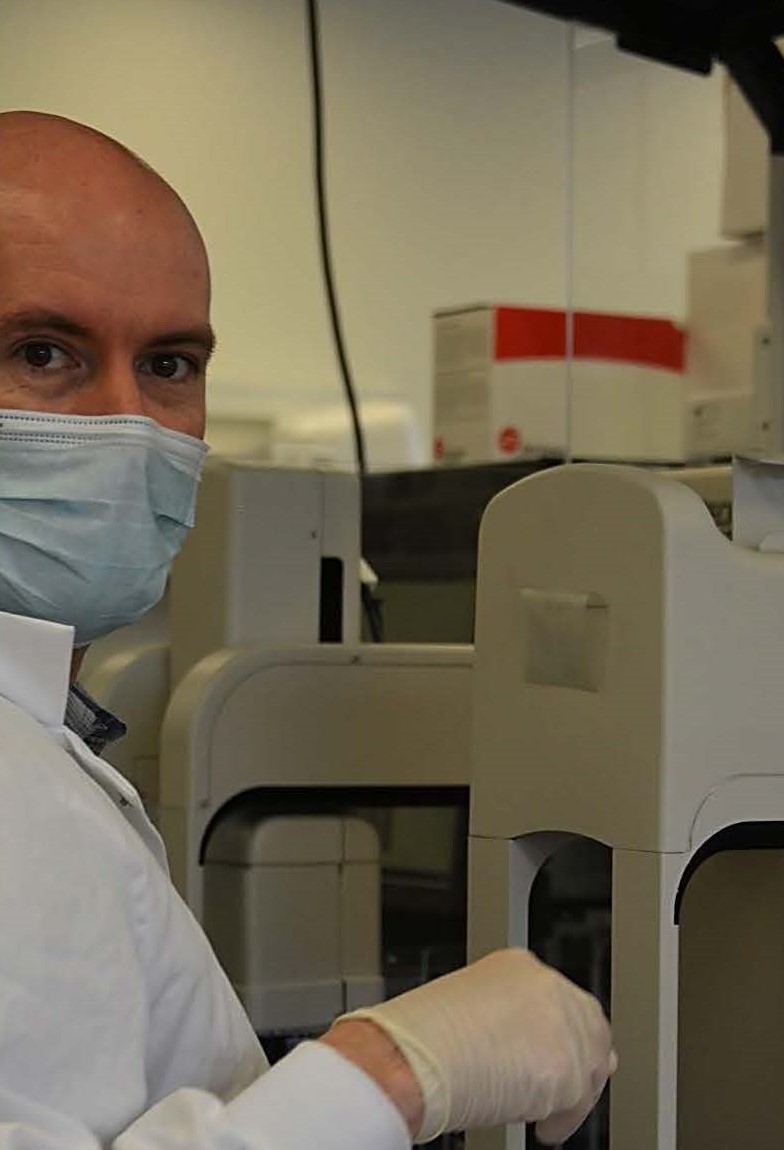 HTSF can prepare several different custom libraries to meet more unique needs of our users. At times these can take current technologies and use them in a novel manner. A consultation is required when you are interested in a custom library preparation method to discuss the best option for your data goals and budget. Each custom library will have different sequencing needs.
 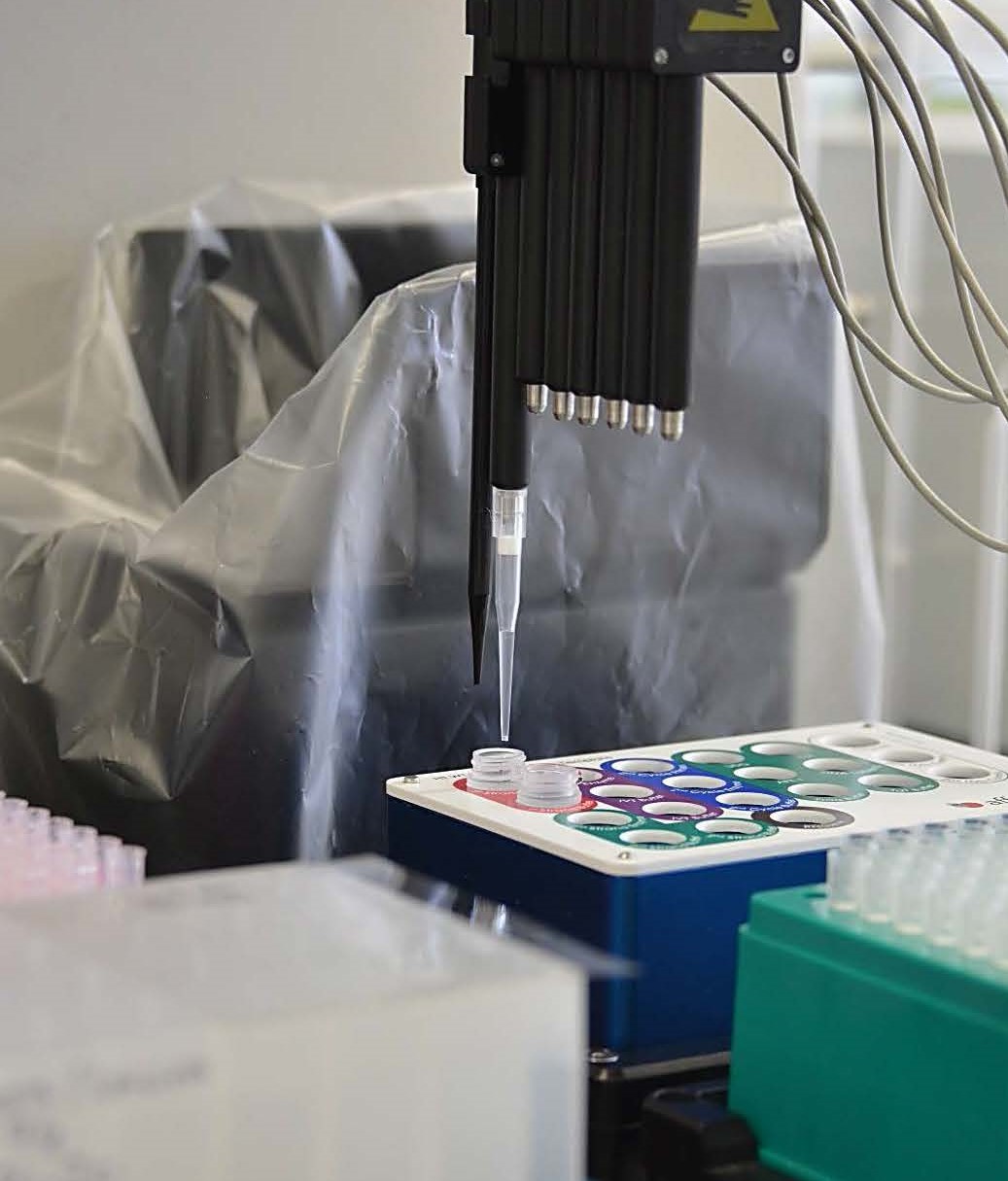 We make Total RNA with ribosomal depletion of non-Human/Mouse/Rat models, Bisulfite sequencing (also known as bisulphite sequencing), custom captures, MethylSeq, Sure Select v10 custom capture and Celero (PCR free libraries).
Do not see something you are interested in? Contact us we are always willing to try new novel library preparations through our R&D group.
Reduced Representation Bisulfite Sequencing (RRBS)
 An efficient and high-throughput technique used to analyze the genome-wide methylation profiles on a single nucleotide level. This technique combines restriction enzymes and bisulfite sequencing in order to enrich for the areas of the genome that have a high CpG content. Due to the high cost and depth of sequencing needed to analyze methylation status in the entire genome, Meissner et al. developed this technique in 2005 in order to reduce the amount of nucleotides needed to be sequenced to 1% of the genome. The fragments that comprise the reduced genome still include the majority of promoters, as well as regions such as repeated sequences that are difficult to profile using conventional bisulfite sequencing approaches.
| Services | Samples per Pool | Platform | Cycles | |
| RRBS | 200 | NovaSeq S4 |
2×100 |
|
| 74 | NovaSeq S2 | |||
| 32 | NovaSeq S1 | |||
| 16 | NovaSeq SP | 2×150 | ||
| 6 | HiSeq 4000 | 2×100 |
Metagenomic sequencing
 Metagenomics is the study of genetic material recovered directly from environmental samples. Recent studies use either “shotgun” or PCR directed sequencing to get largely unbiased samples of all genes from all the members of the sampled communities.
Because of its ability to reveal the previously hidden diversity of microscopic life, metagenomics offers a powerful lens for viewing the microbial world that has the potential to revolutionize understanding of the entire living world. In medical research discovery of infectious and commensal flora relies increasingly on metagenomics analyses.
Library preparation options for this service include:
- 16S for bacterial samples
- 18S or ITS for Eukaryote samples
Sequencing platform and pooling recommendations can be found below:
| Services | Samples per Pool | Platform | Cycles |
| Metagenomics DNAseq | 15 | HiSeq 4000 | 2×150 |
| 40 | NovaSeq SP | ||
| 80 | NovaSeq S1 | ||
| 190 | NovaSeq S2 | ||
| 500 | NovaSeq S4 | ||
| 16S | 96 | MiSeq | 2×300 |
Restriction Site Associated DNA Sequencing (RAD)
Restriction site associated DNA (RAD) markers are a type of genetic marker which are useful for association mapping, QTL-mapping, population genetics, ecological genetics and evolution genetics. An important aspect of RAD markers and mapping is the process of isolating RAD tags, which are the DNA sequences that immediately flank each instance of a particular restriction site of a restriction enzyme throughout the genome.Once RAD tags have been isolated, they can be used to identify and genotype DNA sequence polymorphisms mainly in form of single nucleotide polymorphisms (SNPs). Polymorphisms that are identified and genotyped by isolating and analyzing RAD tags are referred to as RAD markers.
UNC has a collaboration with NCSU’s Genomic Sciences Laboratory (GSL) to offer RAD-Seq at the same internal cost you would receive if you were sequencing on UNC’s Campus. GSL website:
For project quotes, questions, and consults:
Contact Dr. David (Andy) Baltzegar, GSL Director
Phone: 919.513.0738 (8a – 4:30p Mon- Fri)
Email: dabaltze@ncsu.edu
Relevant DNA Services Forms and Guides
HTSF Sample Preparation Requirement GuideIllumina Platform Comparison and Specification Table
NovaSeq Requirements
NovaSeq White Paper