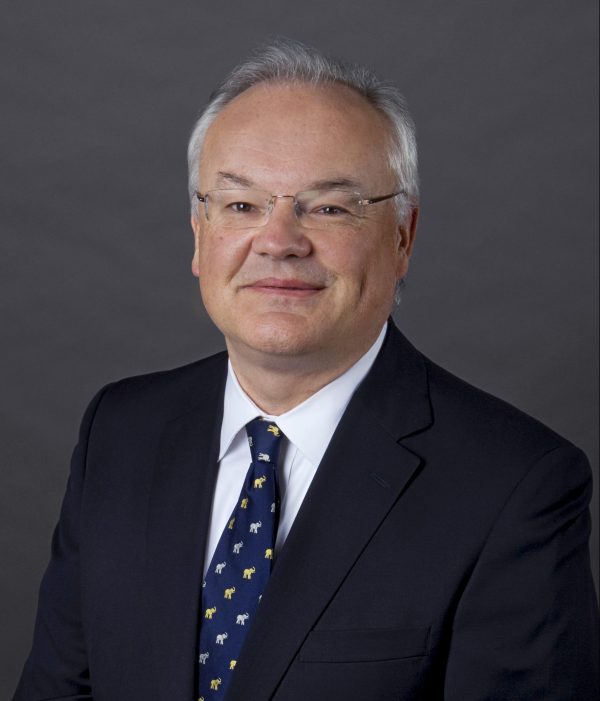
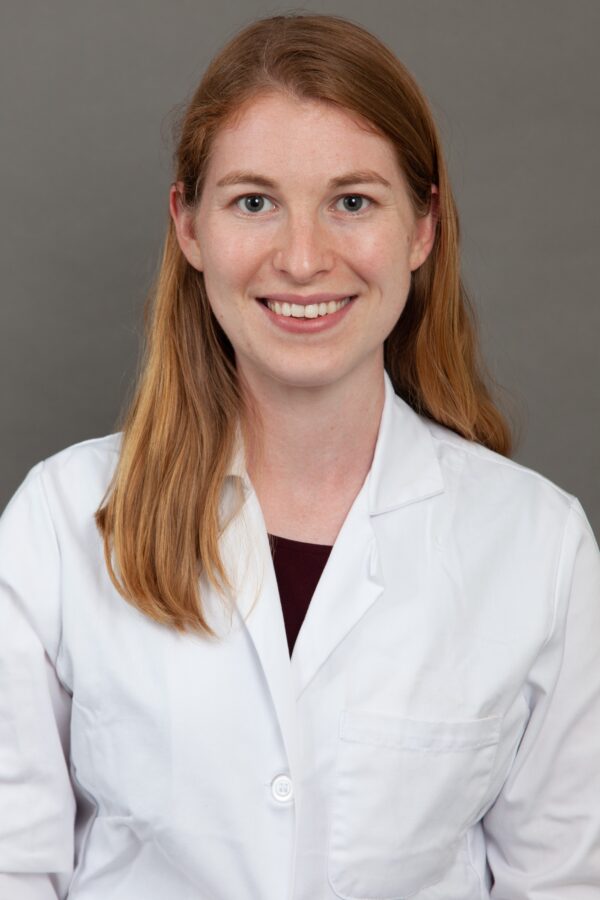
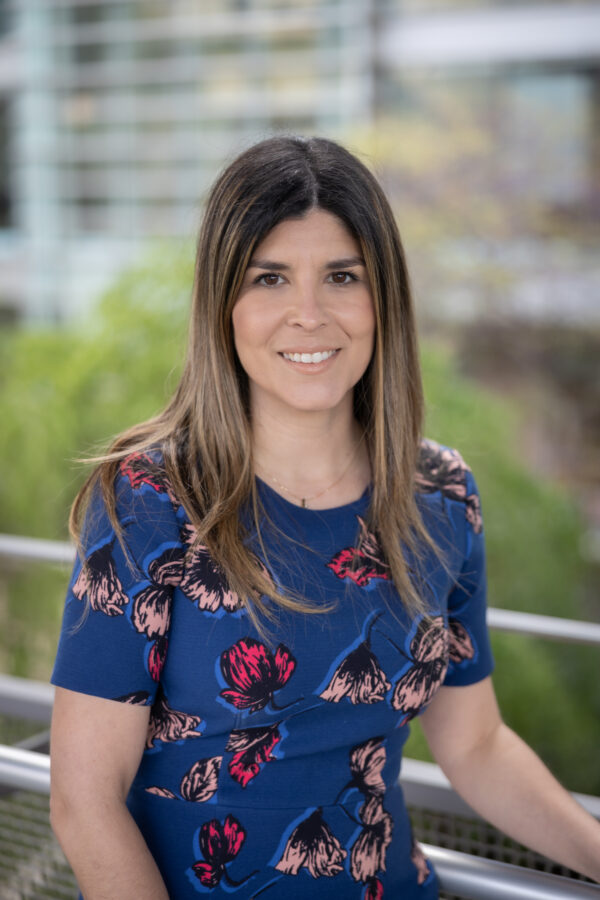
Headshot of Nigel Key, M.B.,CH.B.,F.R.C.P.

December 15, 2020

Key

My group collaborates with other BRC faculty on several disease-oriented projects. Although my expertise is primarily in the development and implementation of coagulation assays in human blood, many of our projects include both human and mouse components. These include studies on the vascular biology of sickle cell disease (with Rafal Pawlinski), cancer-associated thrombosis (with Nigel Mackman) and acute liver failure (with Rafal Pawlinski and Jian Liu). We also collaborate with several extramural research teams in studies of coagulopathy of trauma, and thrombosis associated with cancer and other disorders.

Maria Aleman

December 15, 2020

Aleman

Research in the Aleman Lab is centered on basic mechanisms regulating erythropoiesis in health and disease. Differentiation of hematopoietic stem cells down the erythroid track requires coordinated gene expression, including RNA regulation, and accumulation of iron for hemoglobin production. Our current work focuses on a family of bifunctional proteins (poly C binding proteins) which both regulate RNA processing and chaperone iron within cells. Using biochemical, cellular, and in vivo models we explore the cross talk between iron trafficking and RNA regulation mediated by poly C binding proteins and how these activities are modulated by disease.

December 15, 2020

Antoniak

As a member of the UNC Blood Research Center, we are able to interact and collaborate with experts in blood coagulation and platelet biology. My lab is especially interested in investigating the contribution of the coagulation and platelets to anti-viral immune responses. Furthermore, in a collaborative effort with clinical experts of the UNC Blood Research Center, we are investigating potential pathways to improve cancer patients’ quality of life by reducing cardiotoxic side effects of highly efficient anti-cancer therapies.

December 13, 2019

Berkowitz

I am a clinician and clinical researcher focused on hemostasis. Many patients we evaluate for abnormal bleeding have a normal laboratory work-up despite clinically significant symptoms. The majority of these patients are women with histories of heavy menses, post-operative bleeding, and post-partum bleeding. I collaborate with BRC members to improve the diagnosis and management of patients with undiagnosed bleeding disorders, integrating clinical, laboratory, and epidemiologic data.

December 13, 2019

Boucher

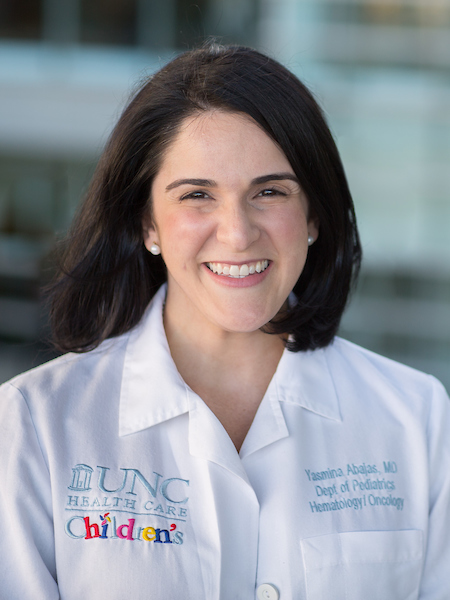
My primary clinical and research interest focus is on sickle cell disease. Past efforts have focused on improving the care of patients with sickle cell disease through quality improvement initiatives such as improving time to antibiotics in children with SCD presenting with fevers as well as improving delivery of analgesia in the ED setting. As a Hispanic female physician, it is an honor and, indeed part of my mission as an academic physician, to serve as a mentor and sponsor to trainees, particularly those from backgrounds historically marginalized, underserved and underrepresented in medicine.

December 12, 2019

Dominguez

Research Interests Gene regulation, RNA processing and RNA binding proteins in cell signaling and disease Research Synopsis The Dominguez lab studies how gene expression is controlled by proteins that bind RNA. RNA binding proteins control the way RNAs are transcribed, spliced, polyadenylated, exported, degraded, and translated. Areas of research include: Altered RNA-protein interactions in cancer RNA processing is massively altered in cancer. These observations can be explained by 1) mutations in RNA binding proteins that alter how they bind their target transcripts, 2) mutations in RNA sequences that are normally bound by specific RNA binding proteins. We use computational approaches and biochemical assays to characterize mechanisms underlying cancer-specific RNA processing defects. RNA binding by noncanonical domains Recent evidence indicates that non-canonical domains or even disordered regions also bind RNA. We employ large-scale biochemical approaches to study these interactions in vitro and and in vivo. Given the prevalence of low-complexity domains in the proteome and their association with disease, understanding how these domains interact with RNA will shed new light on normal and aberrant RNA biology. Cell signaling and RNA processing Cell signaling pathways are known to modulate gene expression. However, crosstalk/cross-regulation between RNA processing and cell signaling is not well understood. We use systematic screening approaches to dissect the impact of cell signaling pathways on RNA binding protein activity. This project involves the study of post-translational modifications of RNA binding proteins, the use of targeted drug screens and integrative analysis with RNA sequencing datasets.