May 7, 2020
Treatment with Blood Thinners Improves Survival in Sickest Covid-19 Patients – Dr. Stephan Moll (Physician’s Weekly)
Treatment with Blood Thinners Improves Survival in Sickest Covid-19 Patients – Dr. Stephan Moll (Physician’s Weekly)
May 7, 2020
Treatment with Blood Thinners Improves Survival in Sickest Covid-19 Patients – Dr. Stephan Moll (Physician’s Weekly)
May 7, 2020
Congratulations to Dr. Nigel Key, Director, UNC Blood Research Center, his work published in Haemophilia was among the top 10% downloaded papers in the 12 months following online publication Link to article: How to discuss gene therapy for haemophilia? A patient and physician perspective
April 27, 2020
Jane Little, MD, professor of medicine in the division of hematology and member of the UNC Blood Research Center, has received an Innovation Pilot Award from the UNC Center for Health Innovation for “OneSCD UNC: Improving Care for People with Sickle Cell Disease in North Carolina.” William Scheidler, MD, assistant professor in the department of …
April 20, 2020
UNC Blood Research Center member Dougald Monroe along with Keith Neeves of the University of Colorado in Denver are investigators on a newly funded NIH NHLBI grant. The grant, R01HL151984, which was awarded four years of funding is titled An integrated computational and experimental approach to understanding the hemostatic response during treatment of bleeding. These …
March 27, 2020
Nigel Key, MD, the Harold R. Roberts Distinguished Professor of Medicine and Pathology and director of the UNC Blood Research Center published a study that identifies the intrinsic coagulation pathway as a potential target to prevent thrombotic and inflammatory complications after RBC transfusion. The article “Red blood cell microvesicles activate the contact system, leading to …
March 27, 2020
Nigel S. Key, MB, ChB, FRCP Nigel Key, MB ChP FRCP, the Harold R. Roberts Distinguished Professor of Medicine and Pathology and director of the UNC Blood Research Center (BRC) has published important findings on the mechanism of thrombin generation induced by stored red blood cells (sRBC). In a recent study, first author Denis Noubouossie, …
March 26, 2020
High fat diet delays plasmin generation in a thrombomodulin-dependent manner in mice Abstract: Obesity is a prevalent prothrombotic risk factor marked by enhanced fibrin formation and suppressed fibrinolysis. Fibrin both promotes thrombotic events and drives obesity pathophysiology, but a lack of essential analytical tools has left fibrinolytic mechanisms affected by obesity poorly defined. Using a …
December 13, 2019
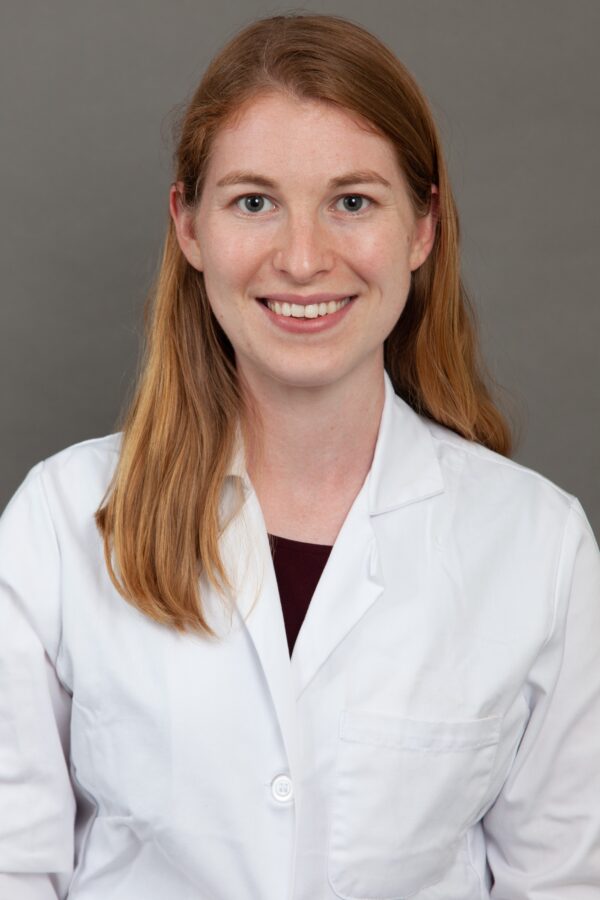
I am a clinician and clinical researcher focused on hemostasis. Many patients we evaluate for abnormal bleeding have a normal laboratory work-up despite clinically significant symptoms. The majority of these patients are women with histories of heavy menses, post-operative bleeding, and post-partum bleeding. I collaborate with BRC members to improve the diagnosis and management of patients with undiagnosed bleeding disorders, integrating clinical, laboratory, and epidemiologic data.
December 13, 2019
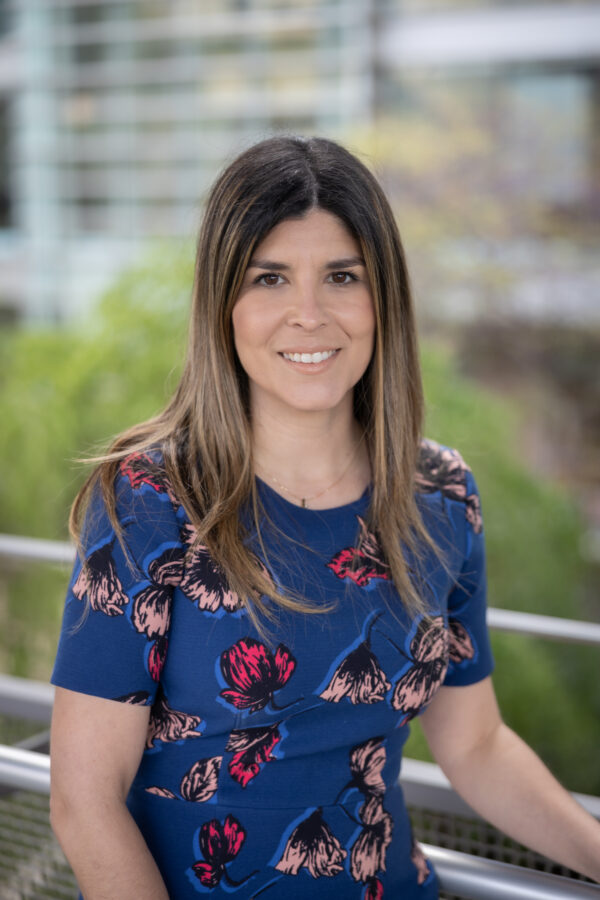
My primary clinical and research interest focus is on sickle cell disease. Past efforts have focused on improving the care of patients with sickle cell disease through quality improvement initiatives such as improving time to antibiotics in children with SCD presenting with fevers as well as improving delivery of analgesia in the ED setting. As a Hispanic female physician, it is an honor and, indeed part of my mission as an academic physician, to serve as a mentor and sponsor to trainees, particularly those from backgrounds historically marginalized, underserved and underrepresented in medicine.
December 12, 2019
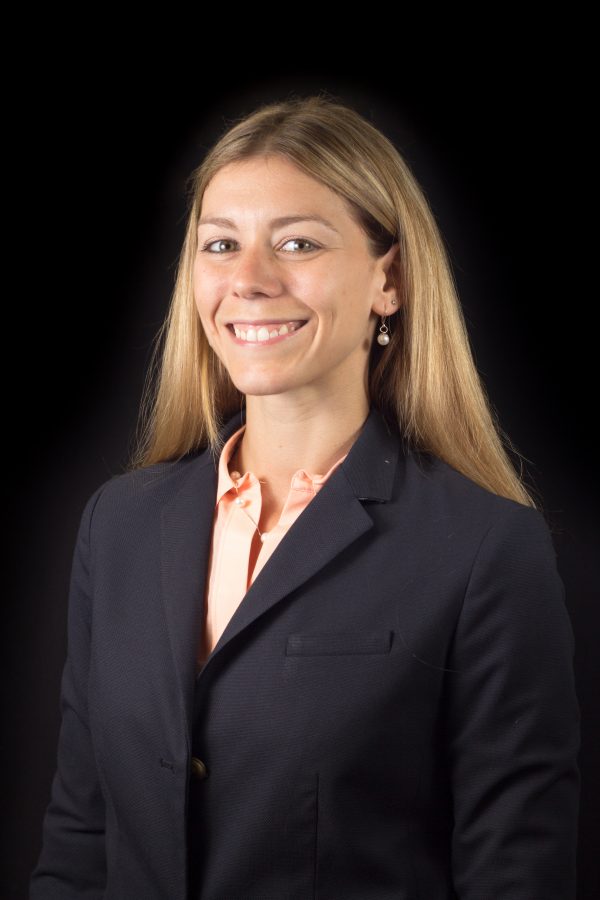
My long-term research goals are to understand mechanisms involved in coagulation and develop novel therapies that augment the body’s native clotting and subsequent healing processes. A primary research focus in my group is the development of platelet-mimetic materials that participate in the natural coagulation cascade to promote hemostasis and enhance healing outcomes.
December 12, 2019
Associate Professor, Research interests: I am interested in the interaction between endothelium and coagulation proteins as well as blood cells. I have recently presented data showing an increase of factor Xa generation on endothelium in the presence of emicizumab and factor IXa. I am active in investigating the mechanism of thrombosis and thrombotic microangiopathy in the use of emicizumab and have an interest in improving the treatment of breakthrough bleeding in patients on emicizumab. I am more generally interested in the development of systems that can shed light on the mechanisms and complications of emerging, non-factor therapies for hemophilia.
December 12, 2019
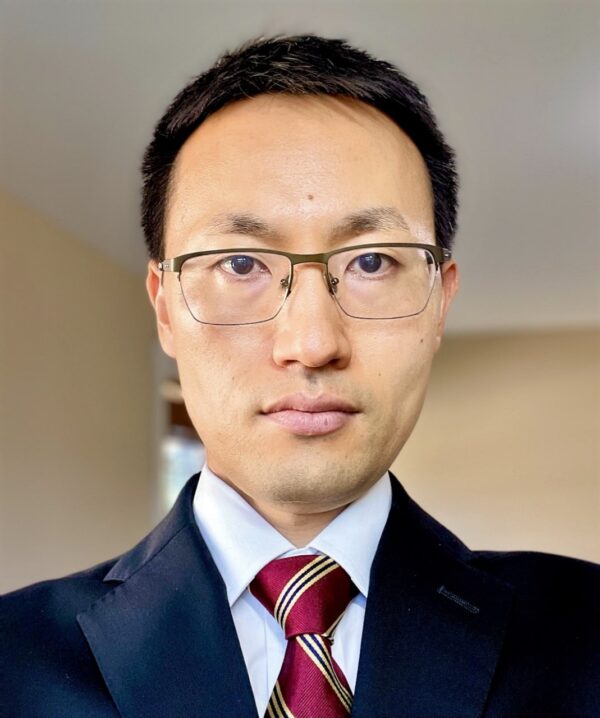
Research Interests My research interest focuses on the mechanisms of cancer-associated thrombosis and bleeding. My primary interest is mechanisms of pancreatic cancer-associated venous thrombosis because pancreatic cancer has one of the highest rates of venous thrombosis. I have found that tumor-derived tissue factor positive extracellular vesicles, neutrophils and neutrophil extracellular traps, and plasminogen activator inhibitor-1 independently contribute to venous thrombosis in mouse models of pancreatic cancer.