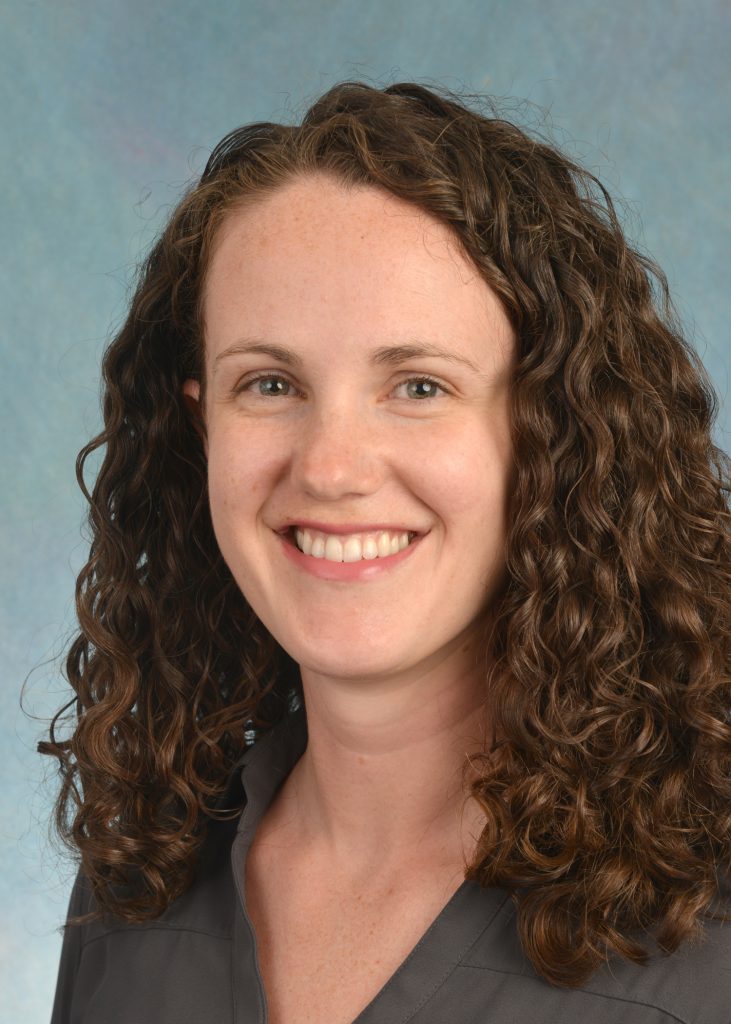
Russell Broaddus, MD, PhD
Chair of Pathology and Laboratory Medicine
Joe W. and Evelyn M. Grisham Distinguished Professor
Email
For Executive Assistant:
Jessica Mayse
The Surgical Pathology Division provides expert diagnostic interpretation of surgical specimens across all organ systems, supporting high-quality patient care and clinical decision-making. Our pathologists serve as active members of multidisciplinary care teams in oncology, transplant, and other specialties. Education is a core value. We support an accredited General Surgical Pathology fellowship in addition to resident training. Trainees gain exposure to a diverse array of cases, learn from subspecialty experts, and develop skills in grossing, frozen section interpretation, and clinical communication.
For specimen submission instructions, please visit our UNC Health website.
Specimen SubmissionEducation is an integral part of our practice. In addition to supporting resident and medical student education, we support fellowships in General Surgical Pathology and Head and Neck Surgical Pathology. Our trainees benefit from a wide spectrum of cases, hands-on-learning, mentorship from nationally recognized faculty and close relationships with the research arm of our department.
Explore Our Fellowship ProgramFaculty in the AP division actively contribute to UNC’s research mission through pathologist-led translational research, collaboration with clinical investigators on the design and implementation of tissue-based clinical trials, and participation in retrospective studies utilizing archival specimens via our Pathology Services Core Facility.
Pathology Service Core Facility
Chair of Pathology and Laboratory Medicine
Joe W. and Evelyn M. Grisham Distinguished Professor
Email
For Executive Assistant:
Jessica Mayse

Surgical Pathology Fellow
MD, Government Vellore Medical College, Vellore, India



Clinical Assistant Professor
Surgical Pathology Fellow
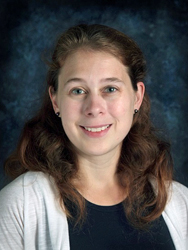
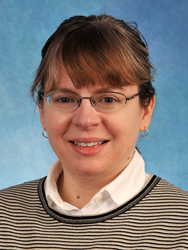

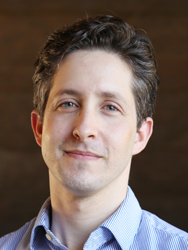
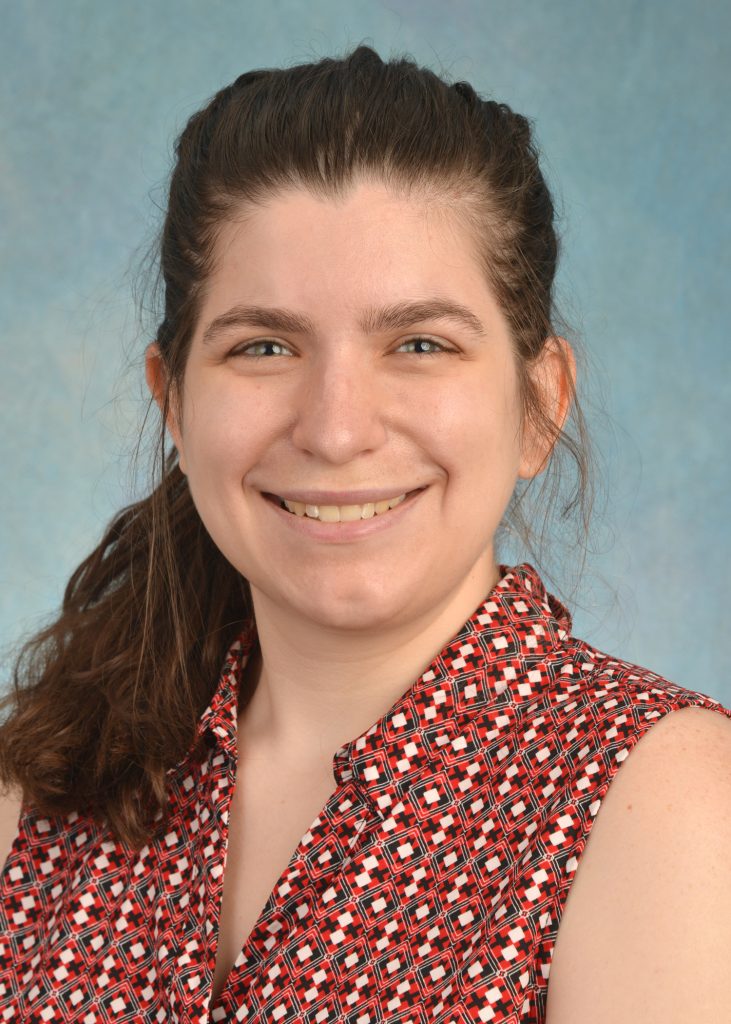

Our team of certified Pathologists’ Assistants (PAs) provides essential support in the gross examination and dissection of surgical specimens and the performance of autopsies. PAs work closely with faculty, residents, and laboratory staff to ensure high-quality specimen processing and efficient workflow in the surgical and autopsy suites. Education and collaboration are integral to the PA role. In addition to training new staff and supporting resident education, our PAs are involved in quality assurance, process improvement, and the advancement of best practices in gross pathology.