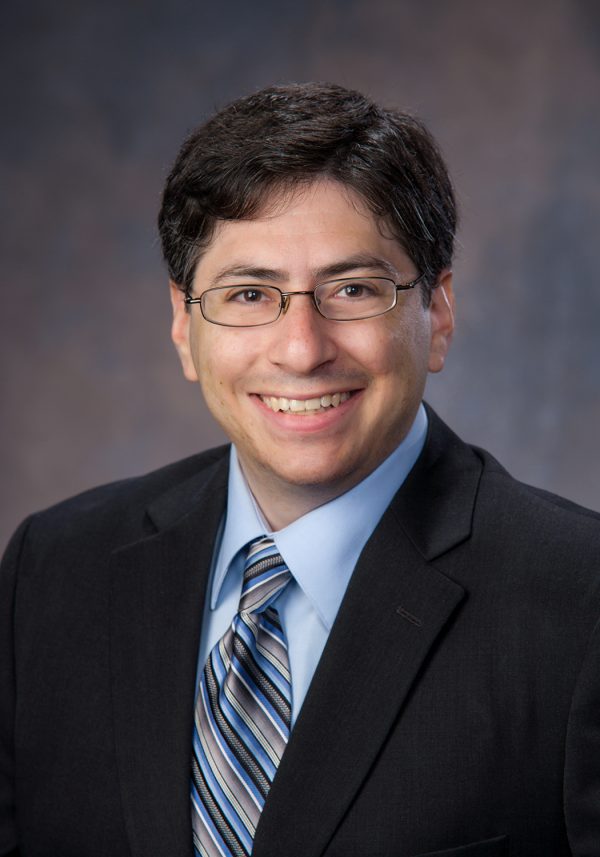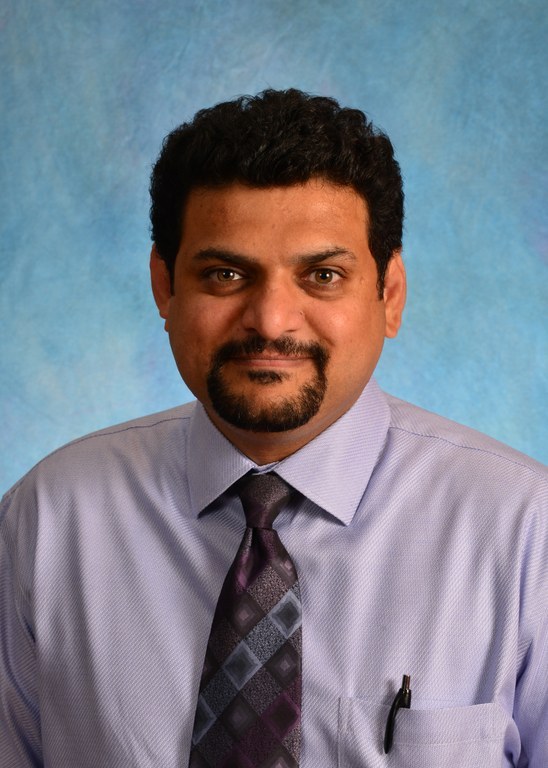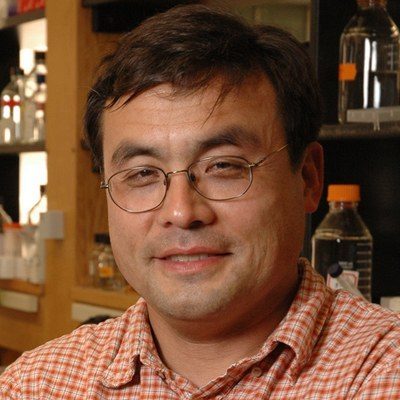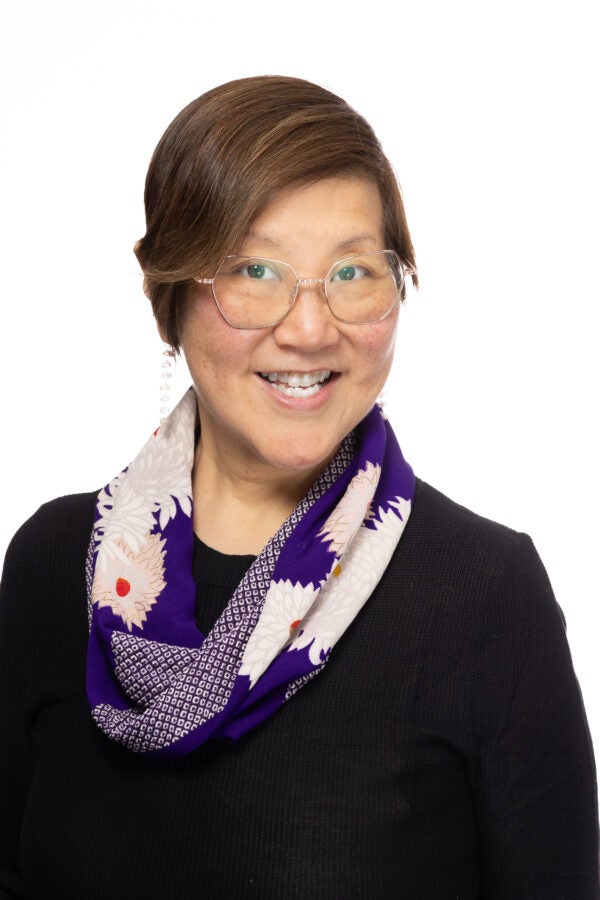
Photo of Patrick Ellsworth

December 12, 2019

Ellsworth

Associate Professor, Research interests: I am interested in the interaction between endothelium and coagulation proteins as well as blood cells. I have recently presented data showing an increase of factor Xa generation on endothelium in the presence of emicizumab and factor IXa. I am active in investigating the mechanism of thrombosis and thrombotic microangiopathy in the use of emicizumab and have an interest in improving the treatment of breakthrough bleeding in patients on emicizumab. I am more generally interested in the development of systems that can shed light on the mechanisms and complications of emerging, non-factor therapies for hemophilia.
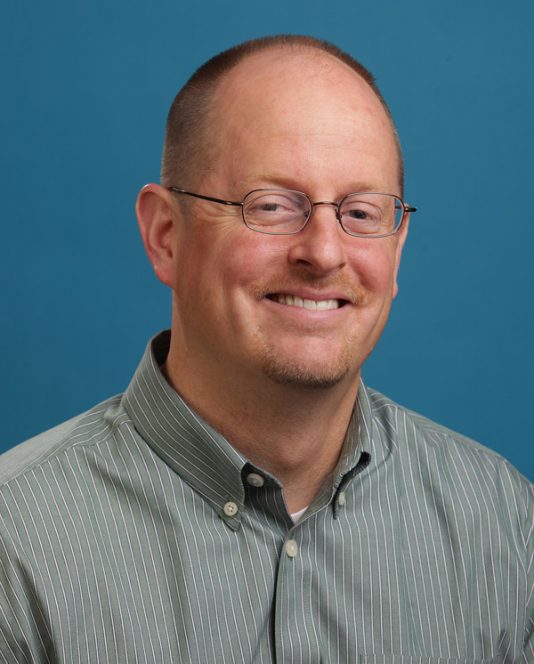
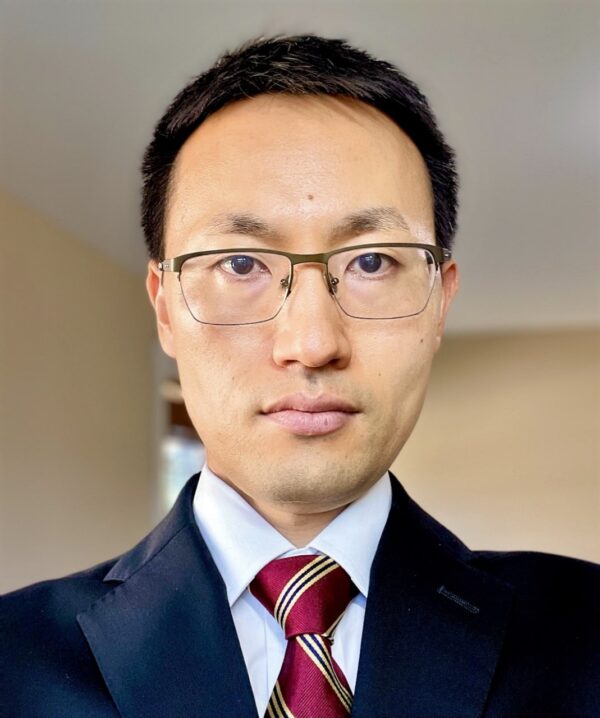
December 12, 2019

Flick

Our role in the Blood Research Center (BRC) is to provide a unique perspective on the contribution of coagulation and fibrinolytic factors to a wide spectrum of disease pathologies, independent of the traditional roles of these factors in bleeding and thrombosis. We utilize mouse models to analyze specific mechanisms by which proteins such as prothrombin, fibrinogen, and plasminogen contribute to the progression of inflammatory, infectious, and malignant disease. Working with our collaborative basic science and clinical partners in the BRC provides an unparalleled opportunity for rapidly advancing our understanding of the multifaceted role of the hemostatic system in hemostasis, thrombosis, and beyond.

December 12, 2019

Hisada

Research Interests My research interest focuses on the mechanisms of cancer-associated thrombosis and bleeding. My primary interest is mechanisms of pancreatic cancer-associated venous thrombosis because pancreatic cancer has one of the highest rates of venous thrombosis. I have found that tumor-derived tissue factor positive extracellular vesicles, neutrophils and neutrophil extracellular traps, and plasminogen activator inhibitor-1 independently contribute to venous thrombosis in mouse models of pancreatic cancer.

December 12, 2019

Hur

My research program is focused on identifying the bidirectional relationship between hemostatic system components and cardiometabolic diseases. Obesity (defined as body mass index >30) currently affects >650 billion adults and >340 million children worldwide. Obesity is characterized by a state of chronic low-grade inflammation and induces qualitative and quantitative changes in hemostatic proteins, resulting in a prothrombotic state. I am interested in the following: 1) Determining the cellular and molecular mechanisms by which fibrin(ogen)-macrophage interactions promote the development of high-fat diet induced obesity and associated pathologies, 2) Determining the role of fibrinolytic system components in the development of obesity and associated pathologies and 3) Elucidating the molecular mechanisms by which obesity and metabolic pathologies exacerbate thrombosis.

Portrait of Raj Kasthuri, MD

December 11, 2019

Kasthuri

Bleeding and clotting disorders, and Hereditary Hemorrhagic Telangiectasia Dr. Raj Kasthuri is a clinician, researcher and clinical educator. Dr. Kasthuri’s clinical and research interests are in disorders of thrombosis and hemostasis, and Hereditary Hemorrhagic Telangiectasia. (HHT). Dr. Kasthuri is Associate Director for Clinical Research for the BRC. He is also Director of the UNC HHT Center of Excellence. He participates in and/or leads a number of clinical research studies evaluating the natural history of HHT and the evaluation of efficacy of novel therapies for the treatment of HHT. His laboratory interests include the mechanism(s) of coagulation activation in HHT, gene therapy for HHT, and he collaborates with other BRC investigators on research on mechanisms of thrombosis in cancer.

December 10, 2019

Kasztan

I have been committed to building a strong translational research program to address novel challenges and questions related to blood and renal pathophysiology in rodents and humans. My work provided strong pre-clinical evidence that endothelin system significantly contributes to sickle cell renal pathophysiology. My collaborative efforts with Dr. Lebensburger identified predictors of the onset of long-term kidney insufficiency and uncovered clear sex differences in the rate of sickle cell nephropathy progression in patients and murine model of sickle cell disease. My current research focuses on functional significance of iron homeostasis in chronic kidney disease (CKD), in particular, the mechanisms of renal iron handling in progressive sickle cell nephropathy. Currently, my lab has three on-going research projects: 1) elucidating molecular mechanisms of endothelin system-mediated renal iron handling in murine models of iron overload; 2) mechanisms of renal dysfunction in sickle cell trait, 3) identifying risk factors for early progression to CKD in sickle cell pediatric patients.

December 9, 2019

Little

Dr. Little's clinical and research interests are in Sickle Cell Disease and erythropoiesis. We are interested in the physical properties of red cells, especially from people with sickle cell disease, under ambient and hypoxic conditions. We are using microfluidic devices in collaboration with colleagues at UNC and at CWRU to study red cells and to associate these findings with clinical phenotypes, before and after treatment. We are also part of a sickle cell disease registry, in order to capture data prospectively and pool resources with over 8 other institutions nationally.