10 years ago
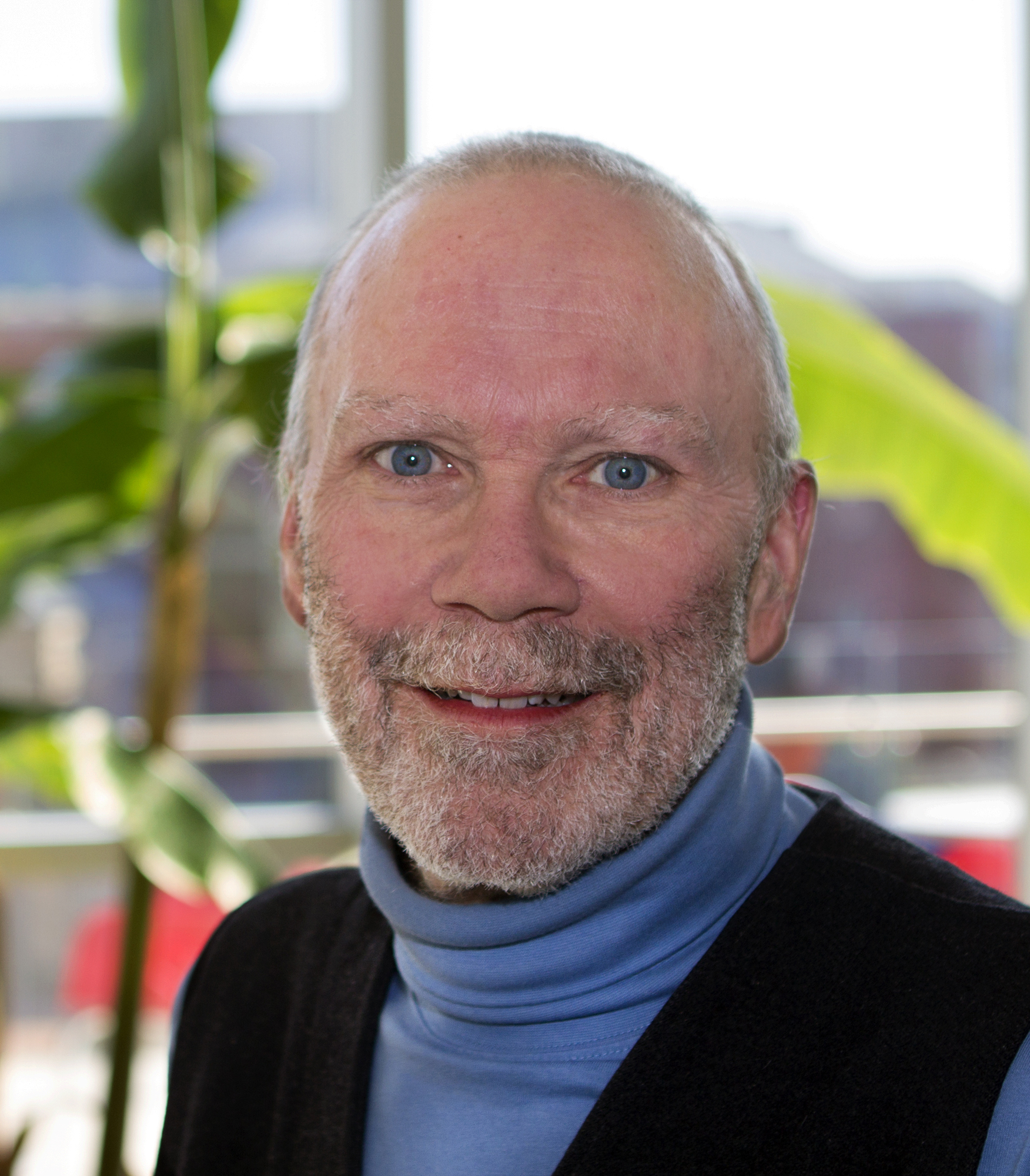
Gary Pielak receives Carl Branden Award from Protein Society
Congratulations to Dr. Gary Pielak! He is the 2016 recipient of the Carl Branden Award from the Protein Society for his contributions to the field of protein chemistry.
10 years ago
Congratulations to Dr. Gary Pielak! He is the 2016 recipient of the Carl Branden Award from the Protein Society for his contributions to the field of protein chemistry.
10 years ago
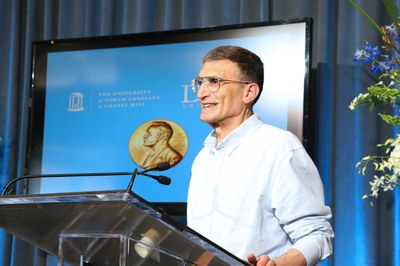
Seven hundred girls from seven cities in Turkey will engage in science, technology, engineering, and math education during a series of three-day conferences.
10 years ago
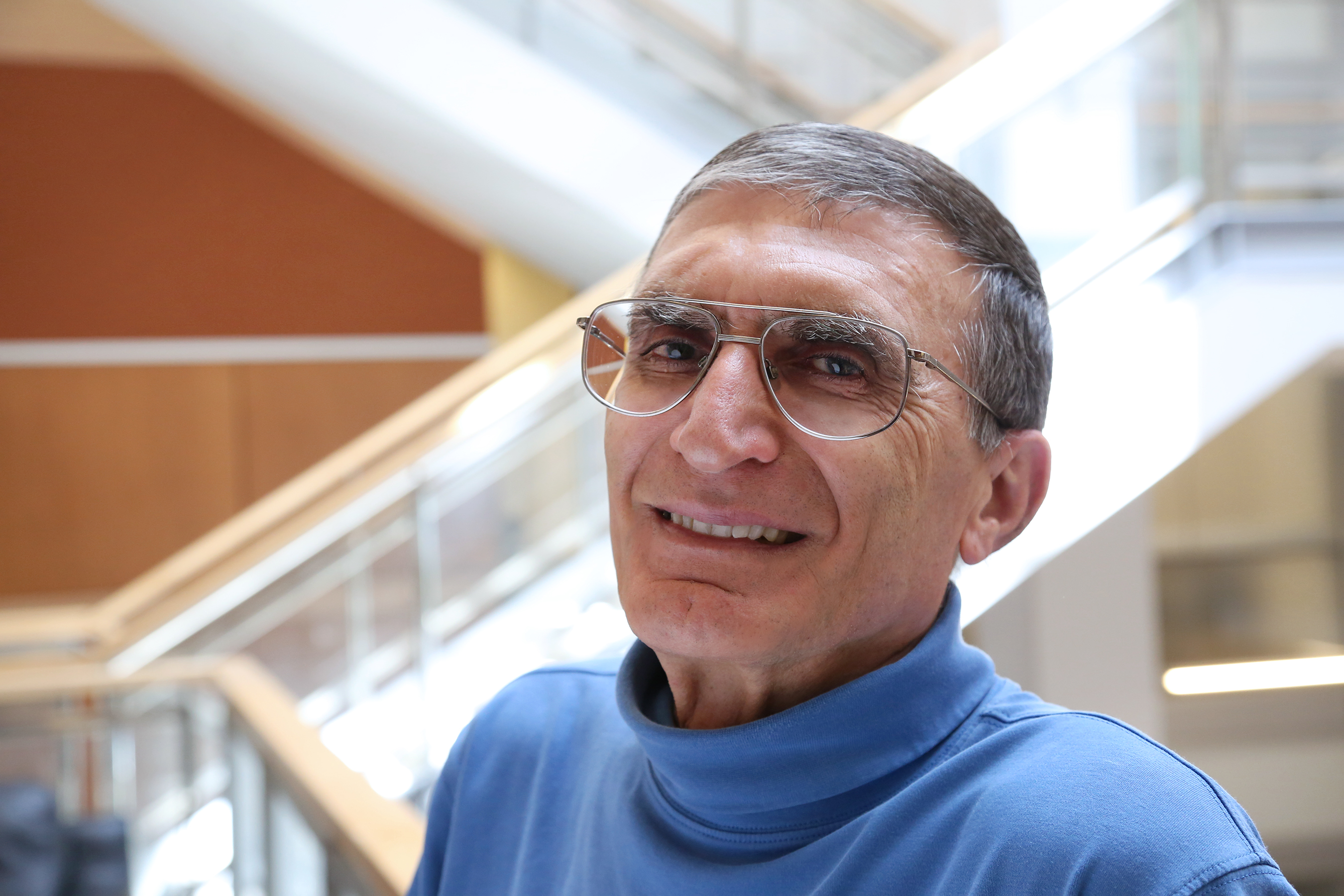
Congratulations to Dr. Aziz Sancar, Distinguished Professor of Biochemistry & Biophysics, who received the 2016 Lifetime Achievement Award from the Triangle Business Journal and is named as one of their Healthcare Heroes for the year.
10 years ago
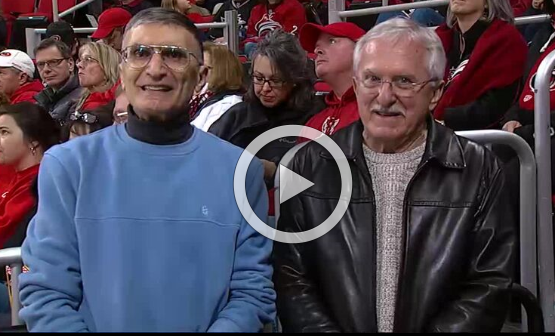
On January 15, during Teacher Appreciation night, Aziz Sancar of UNC and Paul Modrich of Duke were honored as "Heroes of the Game" for their shared 2015 Nobel prize in chemistry.
10 years ago
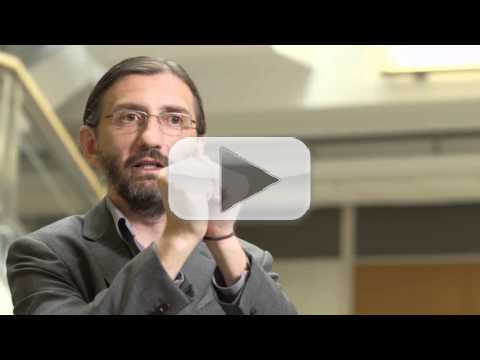
For the first time, scientists pin down the structure of toxic clumps of a protein associated with a large number of ALS cases, opening new avenues in the pursuit of drugs to stem the disease.
10 years ago
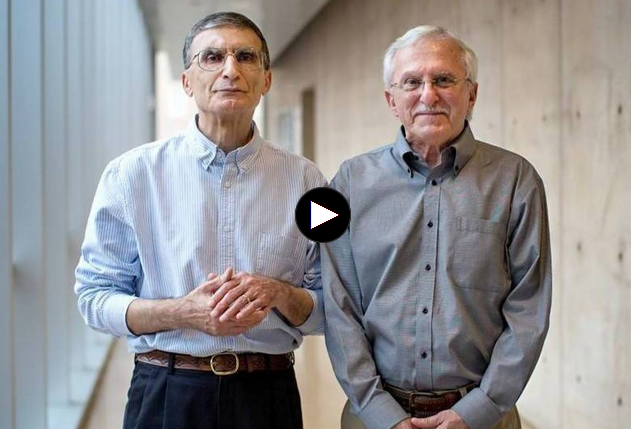
2015 Tar Heels of the Year are Aziz Sancar of the University of North Carolina and Paul Modrich of Duke University.
11 years ago
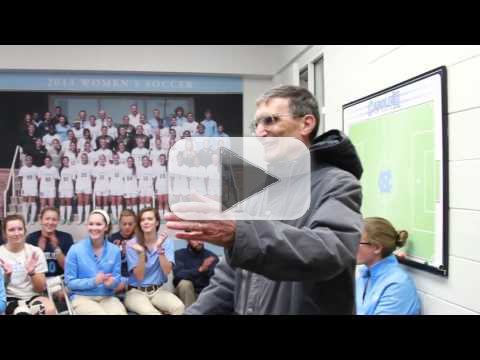
In this video, learn more about Aziz Sancar, the Sarah Graham Kenan Professor of Biochemistry and Biophysics and Nobel Prize Laureate in Chemisty for 2015.
11 years ago
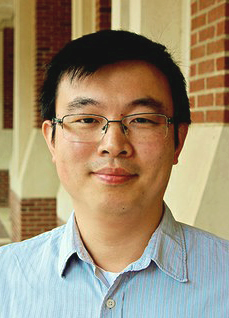
Qi Zhang, PhD earns a 2015 Jefferson-Pilot Award for his groundbreaking techniques that allow him to create videos of the tiniest bits of the stuff that make us human.
11 years ago
Aziz Sancar, MD, PhD, the Sarah Graham Kenan Professor of Biochemistry and Biophysics at the UNC School of Medicine has been awarded the 2015 Nobel Prize for Chemistry for his groundbreaking work in mapping DNA repair.
11 years ago
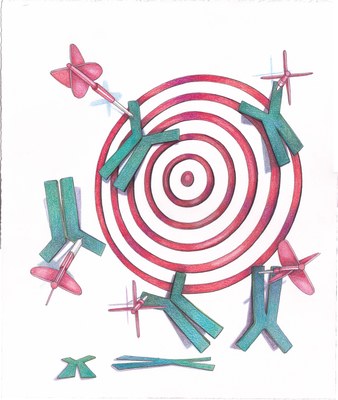
Brian Strahl, PhD at UNC and Scott Rothbart, PhD at Van Andel Research Institute create a robust online interactive database to address science’s ‘antibody crisis’.
11 years ago
The labs of Jean Cook, PhD, and Jeremy Purvis, PhD, will develop the first-ever interactive molecular model of a crucial cellular process that controls healthy growth and diseases such as cancer.
11 years ago
In a new study published in the Cell Press journal "Chemistry & Biology", researchers in the Chen lab share a discovery that could lead to a new strategy for sensitizing radiation-resistant cancer cells to the treatment.