
14 years ago
Mary Napier receives a Massey Award for Distinguished Service
Congratulations to Dr. Mary Napier, Research Assistant Professor of Biochemistry and Biophysics, who is a recipient of a 2012 C. Knox Massey Distinguished Service Award.
14 years ago
Congratulations to Dr. Mary Napier, Research Assistant Professor of Biochemistry and Biophysics, who is a recipient of a 2012 C. Knox Massey Distinguished Service Award.
14 years ago
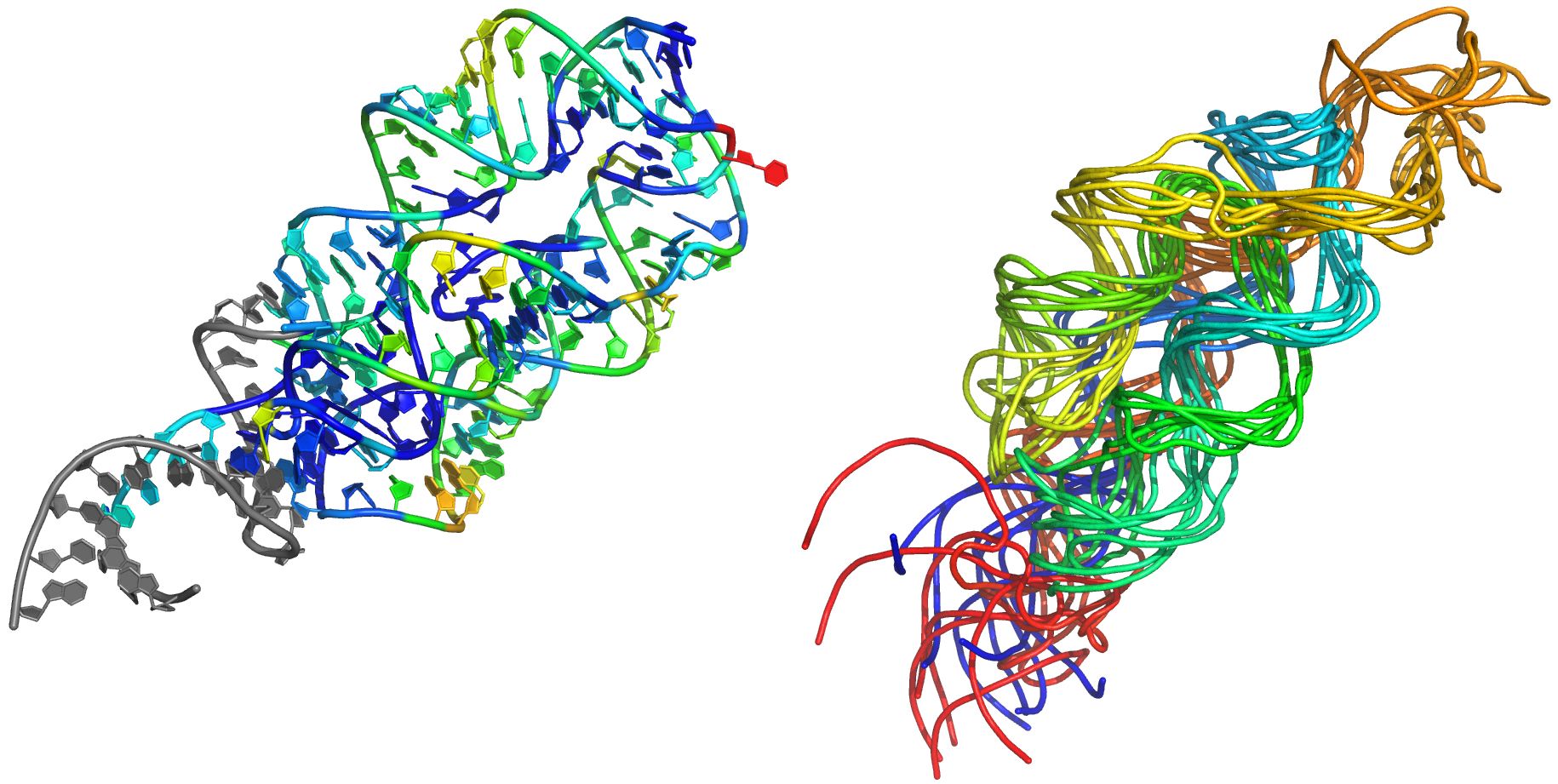
Dokholyan lab researchers publish a paper in the April 16, 2012 issue of Nature Methods demonstrating the structure and function of RNA molecules and paving the way to develop targets for new therapeutics.
14 years ago
Do you need peptides synthesized? Peptide antigens for antibody production? Or even specialized peptide libraries? -- The UNC High Throughput Peptide Synthesis and Array Facility can help!

14 years ago
Congratulations to Dr. Parise who will become an Associate Editor of Blood, a peer-reviewed journal published by the American Society of Hematology, effective January 2013 for a four-year term.
14 years ago
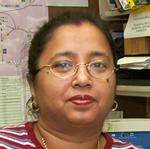
Congratulations to Dr. Rinku Majumder, Research Associate Professor of Biochemistry and Biophysics, who receives a UNC Junior Faculty Research Award.

14 years ago
Dokholyan lab has a cover story in the December 7, 2011 issue of Structure. Dagliyan et al. present a rapid molecular dynamics-based approach to reveal the mechanism of protein-peptide recognition. The authors find that the peptide, rather than the protein, undergoes an induced fit, and that electrostatic interactions guide the peptide toward the binding region.

14 years ago
Congratulations to Dr. Julia Brittain, Research Assistant Professor of Biochemistry & Biophysics, who was recently selected to the Editorial Board for the publication World Journal of Hematology.

15 years ago
Congratulations to Dr. Henrik Dohlman, Professor & Vice-Chair of Biochemistry & Biophysics, who was elected as a 2011 AAAS fellow.
15 years ago
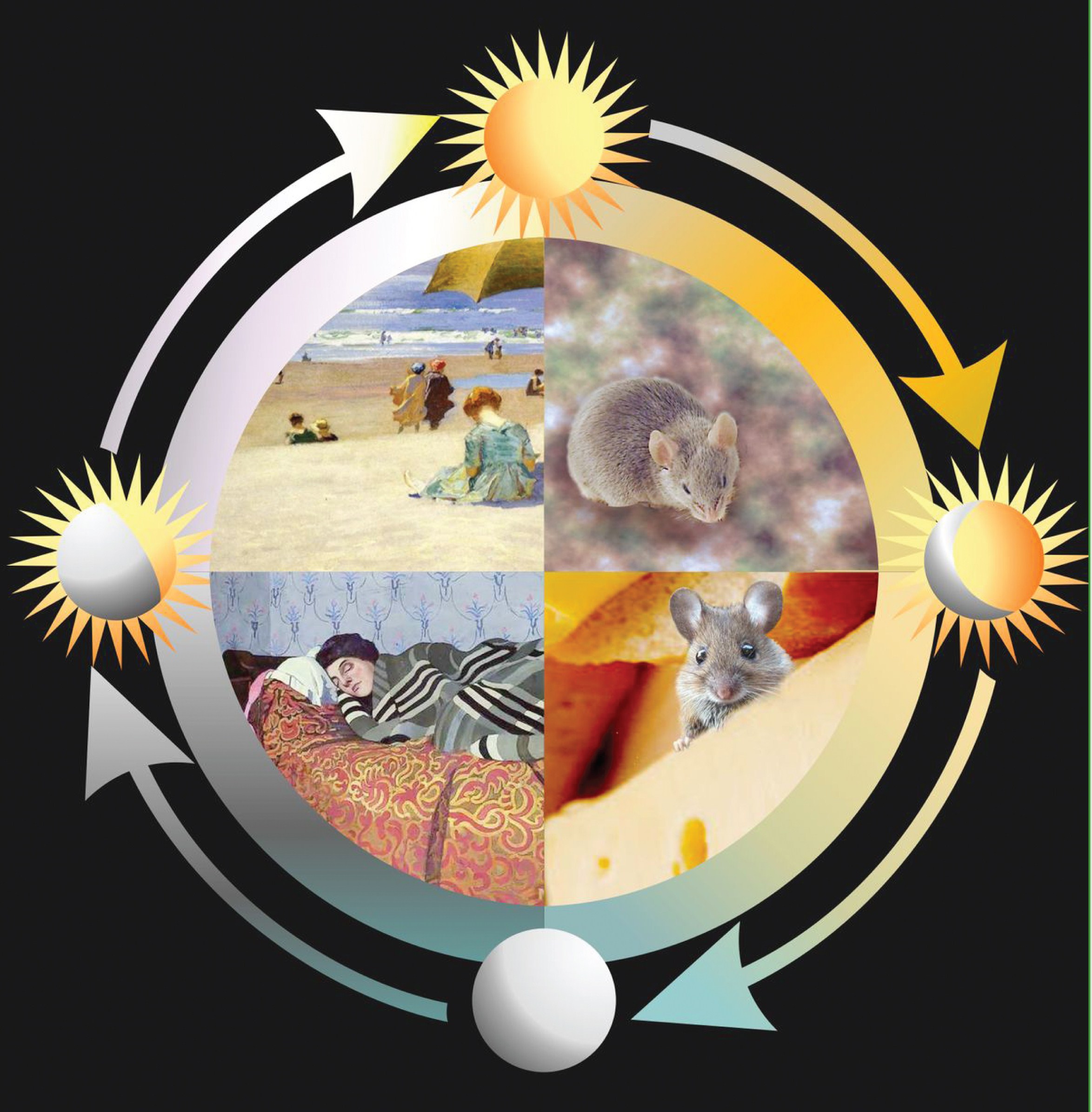
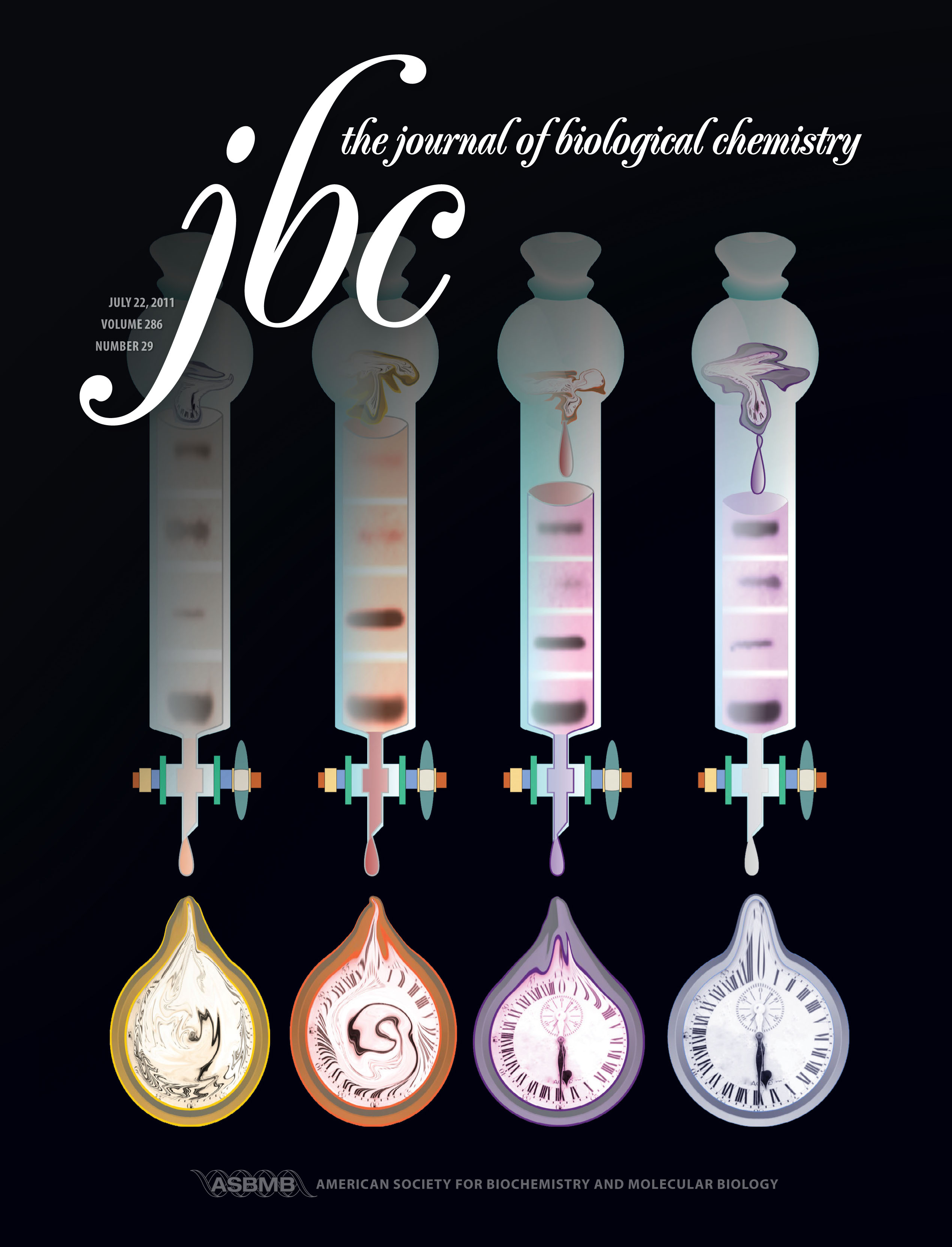
Exposure to UV radiation triggers DNA lesions that can lead to skin cancer, the most common type of cancer in the United States. Previous studies in mice have shown that levels of a protein called XPA, involved in repairing UV-induced DNA lesions, waxes and wanes with the time of day. Shobhan Gaddameedhi et al. found that the protein's level and activity in mouse skin cells are at their lowest at 4 AM and their highest at 4PM.

15 years ago
The University of North Carolina at Chapel Hill, Washington University School of Medicine in St. Louis, and Boise State University have been named partners in one of five US centers that will use genetic data to search for proteins that are abnormally made by cancer cells. The partnerships form the new Clinical Proteomic Tumor Analysis Consortium (CPTAC) supported by the National Cancer Institute (NCI).
15 years ago
On the JBC Cover: The circadian clock is the internal timekeeping molecular system that generates a daily rhythm in an organism's physiology and behavior.

15 years ago
Finding published in the July 21, 2011 issue of Science shows that researchers from the UNC School of Medicine have discovered the seventh and eighth bases of DNA.