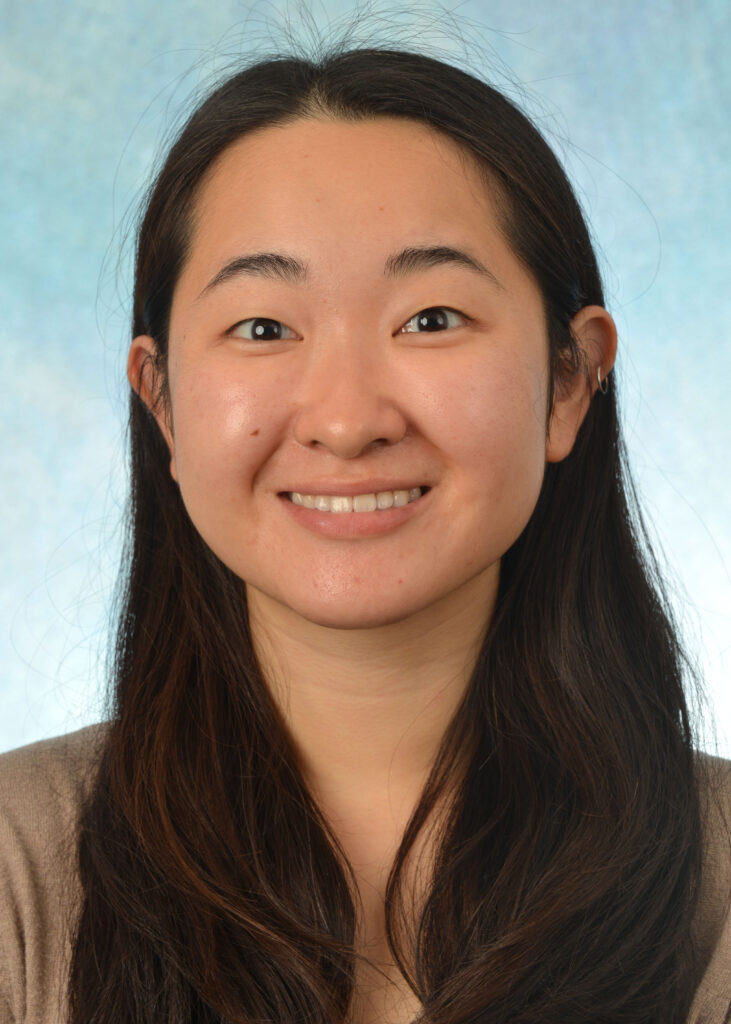
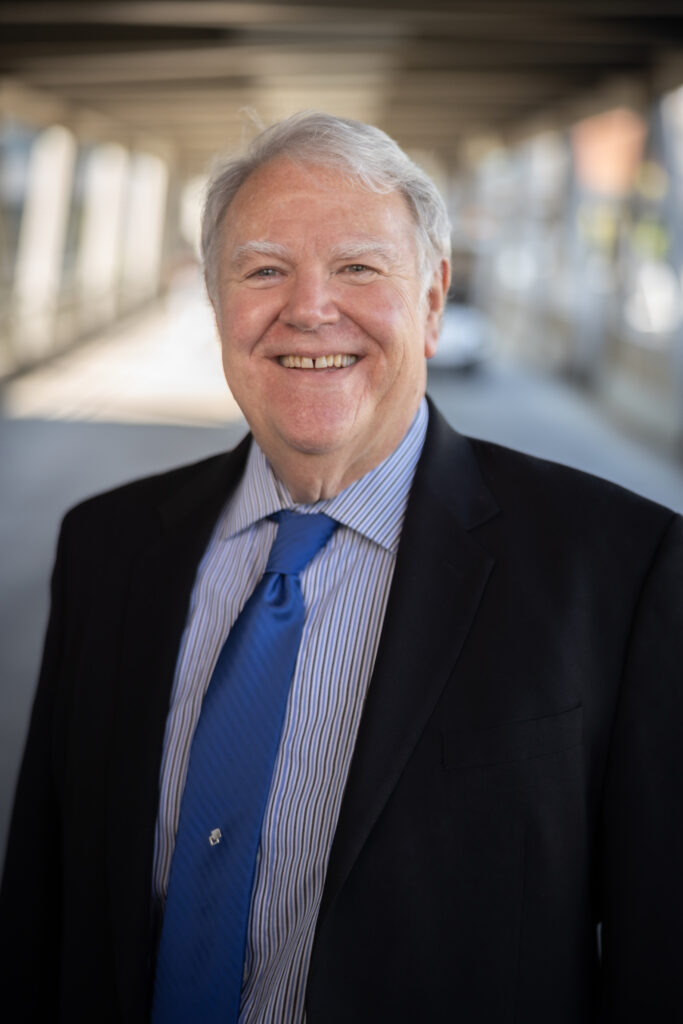
Russell Broaddus, MD, PhD
Chair of Pathology and Laboratory Medicine
Joe W. and Evelyn M. Grisham Distinguished Professor
Email
For Executive Assistant:
Jessica Mayse
Chair of Pathology and Laboratory Medicine
Joe W. and Evelyn M. Grisham Distinguished Professor
Email
For Executive Assistant:
Jessica Mayse
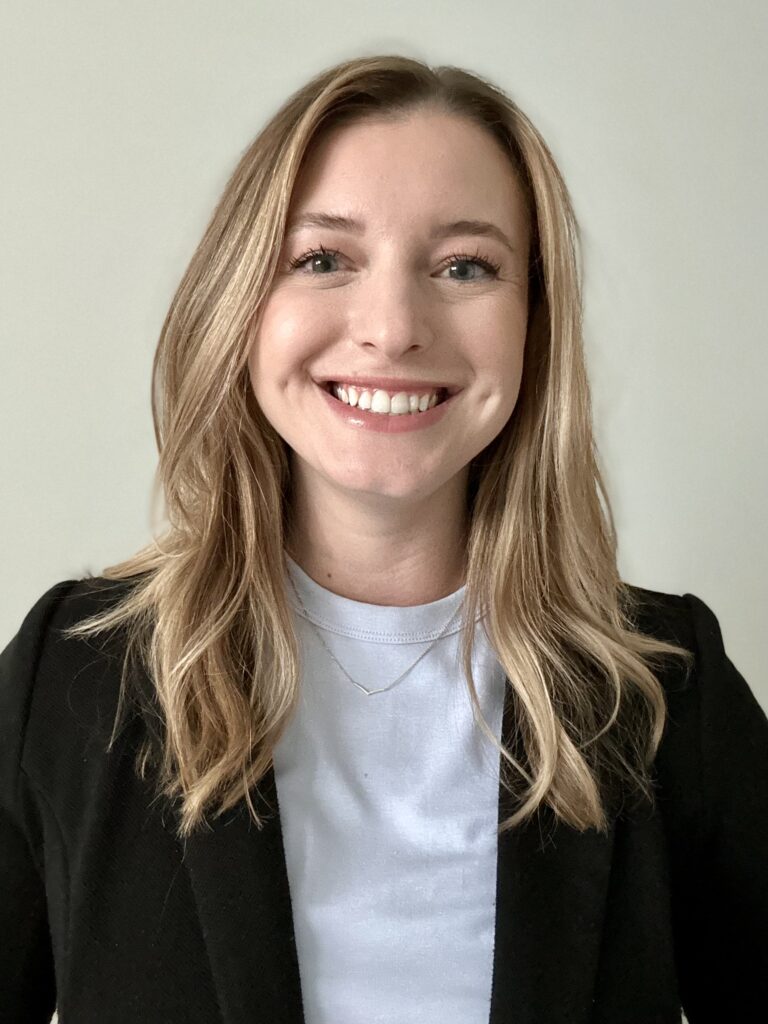

Hematopathology Fellow


Forensic pathology
Assistant to the Director of McLendon Clinical Laboratories and
Coordinator of Clinical Pathology Fellowship Programs

Surgical Pathology Fellow
MD, Government Vellore Medical College, Vellore, India

Forensic pathology


Resident


Chief Toxicologist, N.C. Office of the Chief Medical Examiner



Associate Professor
Director of Automated Chemistry and Critical Care Testing
Co-Director of Clinical Chemistry
UNCH Chatham Park Laboratory
UNC & NCSU Campus Health Laboratories
UNCH Children’s Raleigh Laboratory


Clinical Assistant Professor
Director of the UNC Blood Donation Center
Director of Hillsborough Clinical Labs
Labcorp Distinguished Professor
Vice Chair for Clinical Research and Academic Affairs



Professor and Vice Chair of Comparative Medicine
Associate Vice Chancellor of Research
Director of the Division of Comparative Medicine
ANCA; autoimmunity; glomerulonephritis; nephrotic syndrome; T cells; myeloid-derived suppressor cells


Blood Banking/Transfusion Medicine Fellow

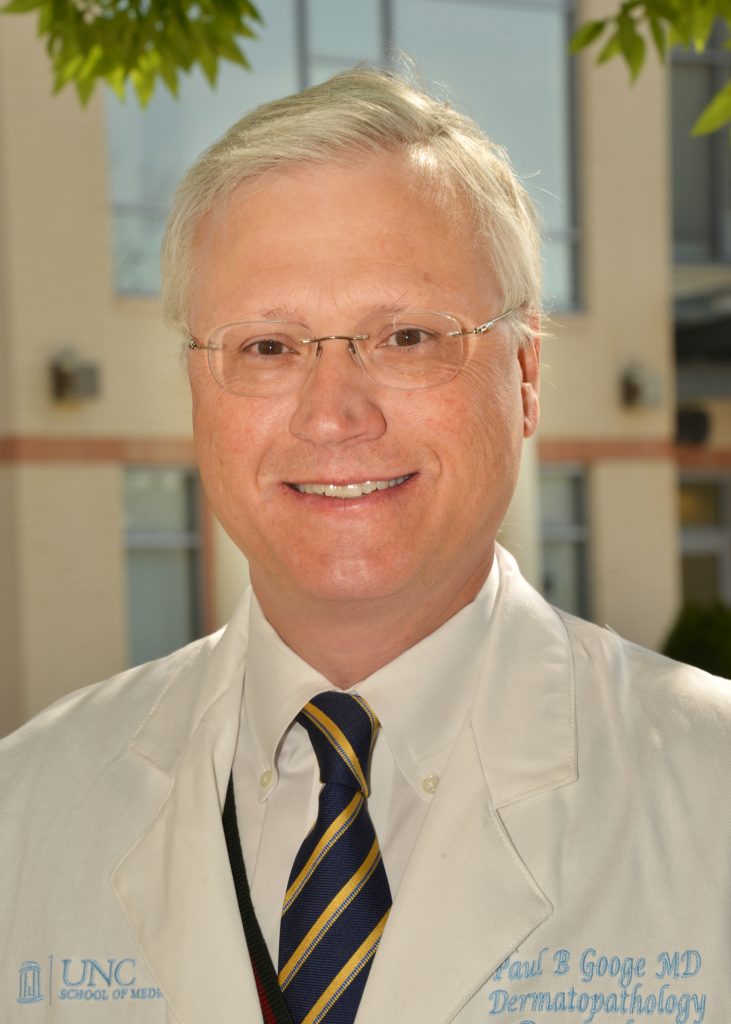
Dermatopathology

Coordinator of the Residency Program and the Anatomic Pathology Fellowship Program

Clinical Microbiology Fellow


Resident

Clinical Professor
Director of the UNC Blood Bank
Director of Apheresis
Director of the Transfusion Medicine Fellowship Program

Clinical Assistant Professor
Thrombosis and hemostasis
Associate Professor
Program Director of Clinical Chemistry Fellowship
Director of Special Chemistry and Point of Care Testing
Co-Director of Clinical Chemistry

Assistant Professor

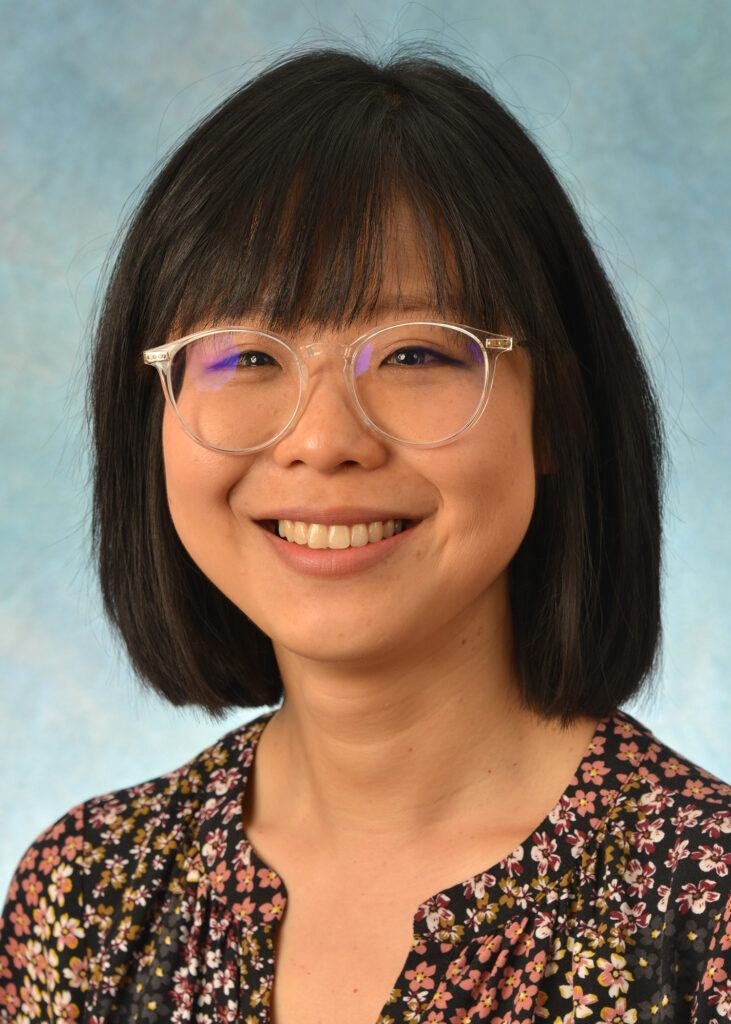
(MD, Faculty of Medicine Siriraj Hospital; Pathology Residency, Yale School of Medicine; Neuropathology Fellow, Vanderbilt University)
Fellow in Molecular Genetic Pathology
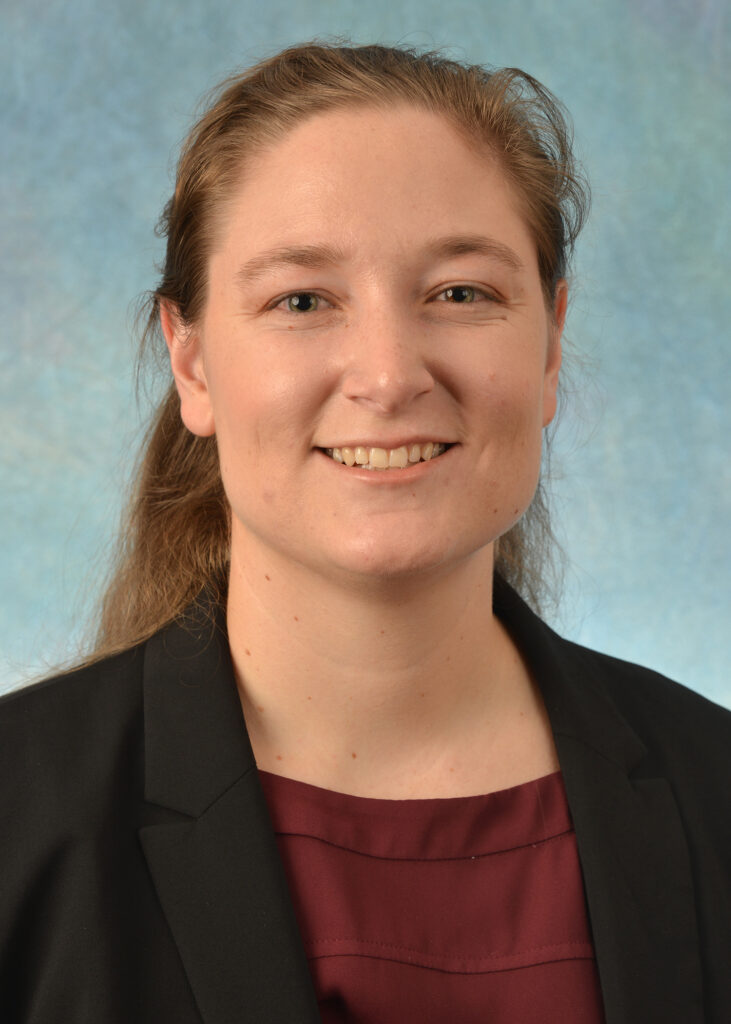

Clinical Immunology Fellow


Surgical Pathology Fellow
James D. Fold Distinguished Professor
Director, Clinical Microbiology Laboratory

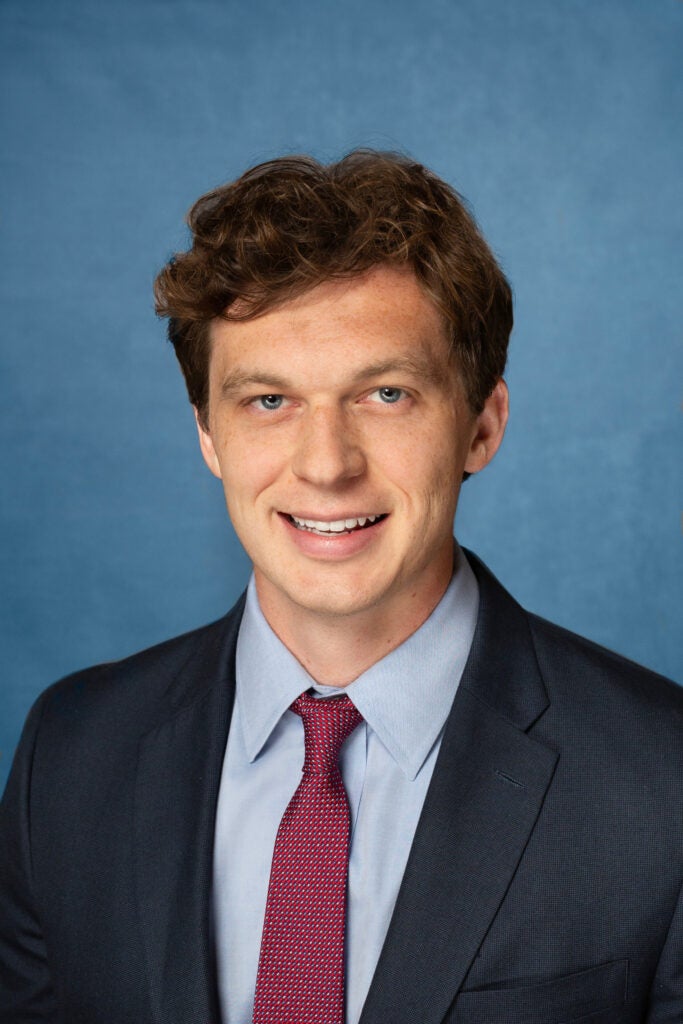
Resident
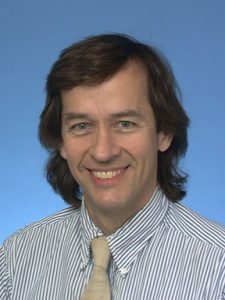
Role of von Willebrand factor in thrombosis and atherosclerosis; molecular biology of porcine von Willebrand factor
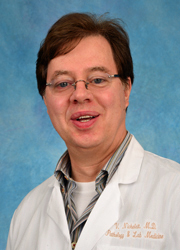

Breast cancer; genomics; microarrays; tumor classification; drug resistance




Pharmacology; translational research in patients with myocardial infarcts

Professor
Director, Immunology, Histocompatibility and Immunogenetics Laboratories
Forensic pathology; preventive health, especially suicide and accident prevention; the value of autopsy in medical education

Administrative Support Associate
Email

Molecular biology; structure-function relationships of coagulation factors
Mechanisms of mutagenesis and carcinogenesis with emphasis on the role of DNA adducts and cell proliferation

Clinical Chemistry Fellow



Associate Professor and Vice Chair for Clinical Services
Director of the McLendon Clinical Laboratories
Clinical Associate Professor
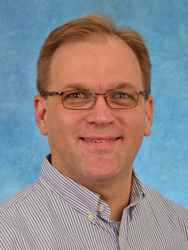



Molecular Genetic Pathology Fellow

Steroid hormone regulation of gene expression; endocrinology; environmental androgens and antiandrogens
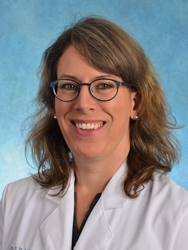
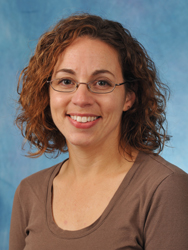
Budget Analyst

Laboratory Genetics and Genomics Fellow
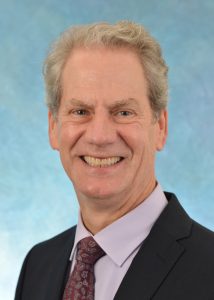
Otolaryngology
Clinical Assistant Professor